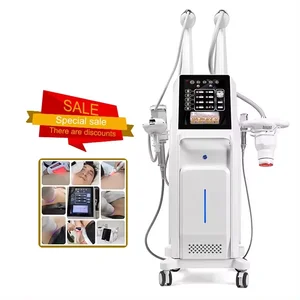
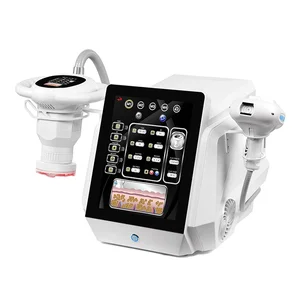
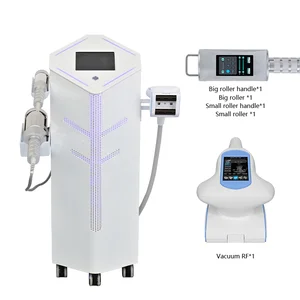
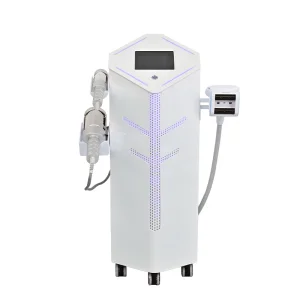
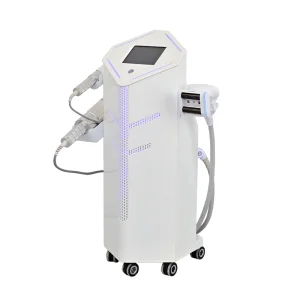
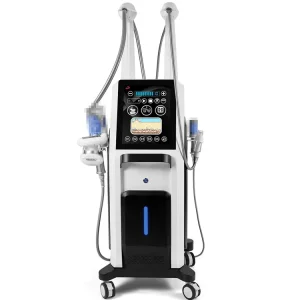
Explore our flagship medical-grade body contouring systems optimized for Osaka's demanding aesthetic market.
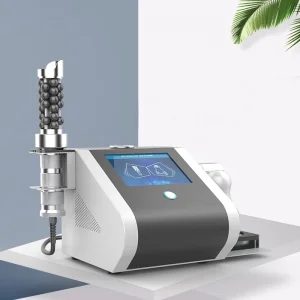
Analyzing the Kansai Economic Hub’s High-Performance Medical and Aesthetic Infrastructure
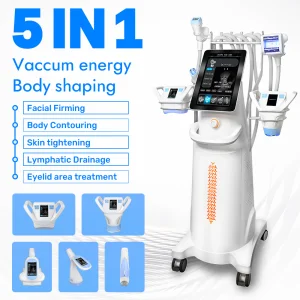
Osaka, as the commercial and industrial heart of Japan’s Kansai region, stands as a powerhouse for aesthetic technology deployment. Areas such as Umeda, Shinsaibashi, and Namba host a dense concentration of high-end anti-aging clinics and professional body sculpting salons. The local consumer base demands non-invasive body contouring treatments that deliver clinical-grade efficacy with zero downtime. This specific demand has accelerated the integration of multi-technology systems, specifically targeting cellulite reduction, lymphatic drainage, and facial rejuvenation.
Local distributors and clinic chains in Osaka require strict compliance with Japanese safety regulations alongside visible treatment outcomes. The mechanical stimulation produced by vacuum roller technology matches the precise Japanese aesthetic standards of Bi-hadashyo (beautiful, firm body and skin texture), driving consistent clinical adoption across the prefecture.
Factories operating within or supplying to the Osaka market must design equipment that aligns with high Japanese engineering guidelines. This includes electromagnetic compatibility (EMC), localized electrical configuration (100V / 50-60Hz with PSE compliance), and highly ergonomic handpieces tailored for Japanese therapists who prioritize user fatigue reduction during long operational cycles.
Furthermore, local salons favor quiet motors and medical-grade silicone contact heads (such as those in the 9D rotation systems) to ensure a high-end, comfortable experience for clients who expect a quiet treatment environment. Thus, finding manufacturers that can deliver these specific customization profiles is critical for Osaka-based importers.
How Shenzhen Yiki Beauty Co., Ltd. Bridges Osaka Standards with China’s Manufacturing Scale
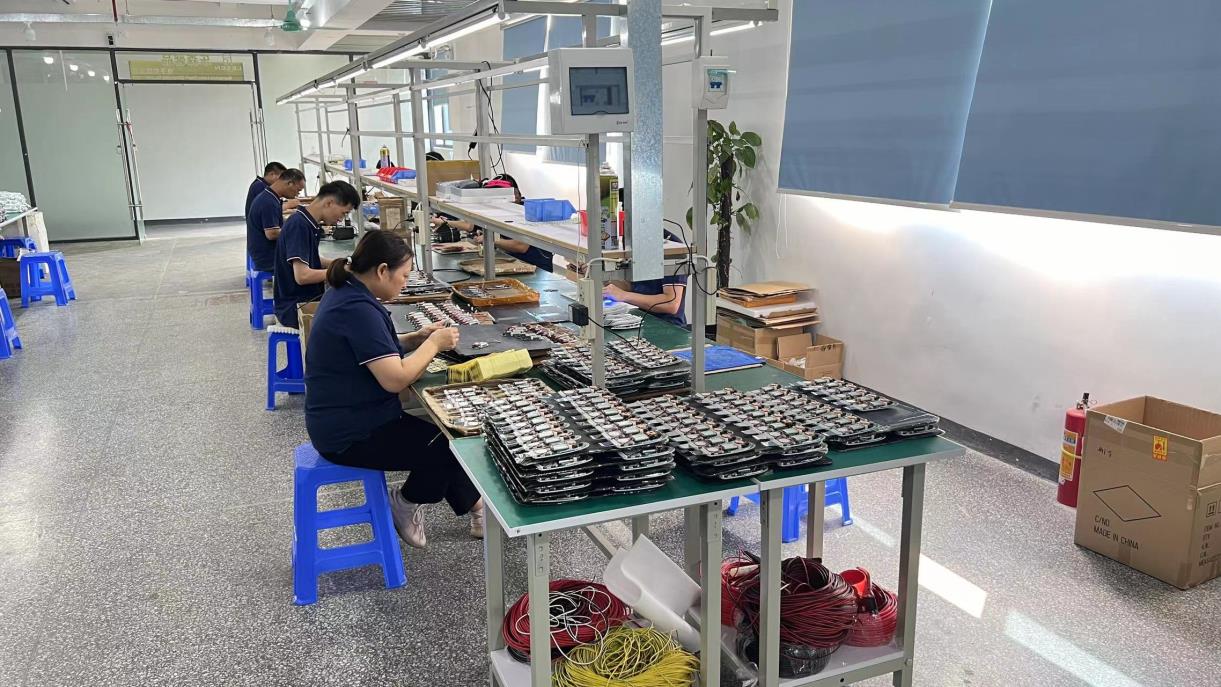
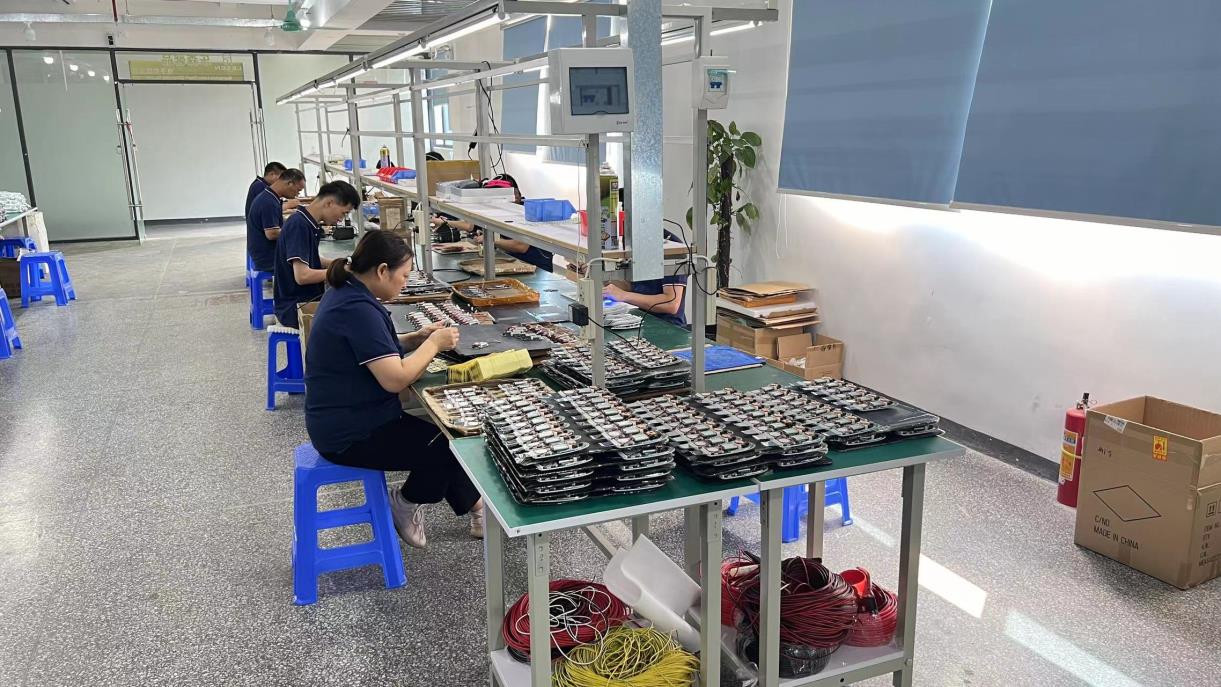
Shenzhen Yiki Beauty Co., Ltd. integrates full in-house design capabilities. By designing the external aesthetics, internal physical structure, and electronic control boards (PCB) under one roof, we eliminate intermediate development phases. This translates to rapid updates and high-level customizations requested by Japanese partners, such as custom UI translation (Japanese Kanji support), tailored chassis colors, and specific RF frequency limits.
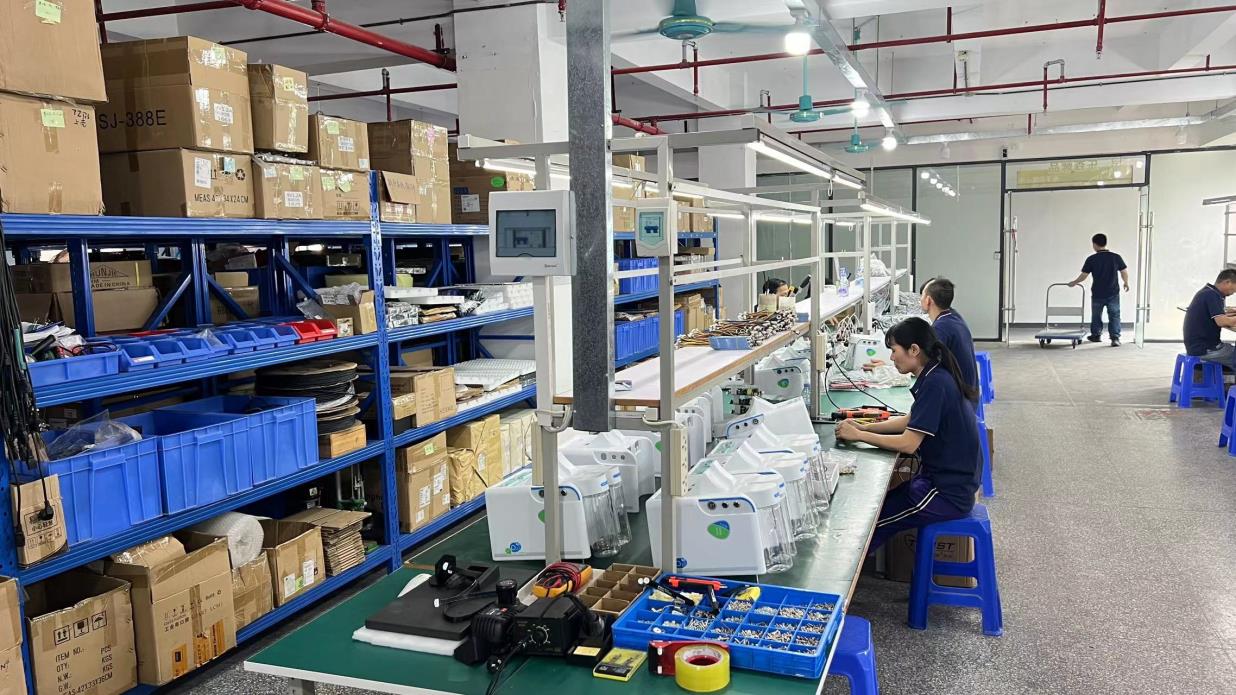
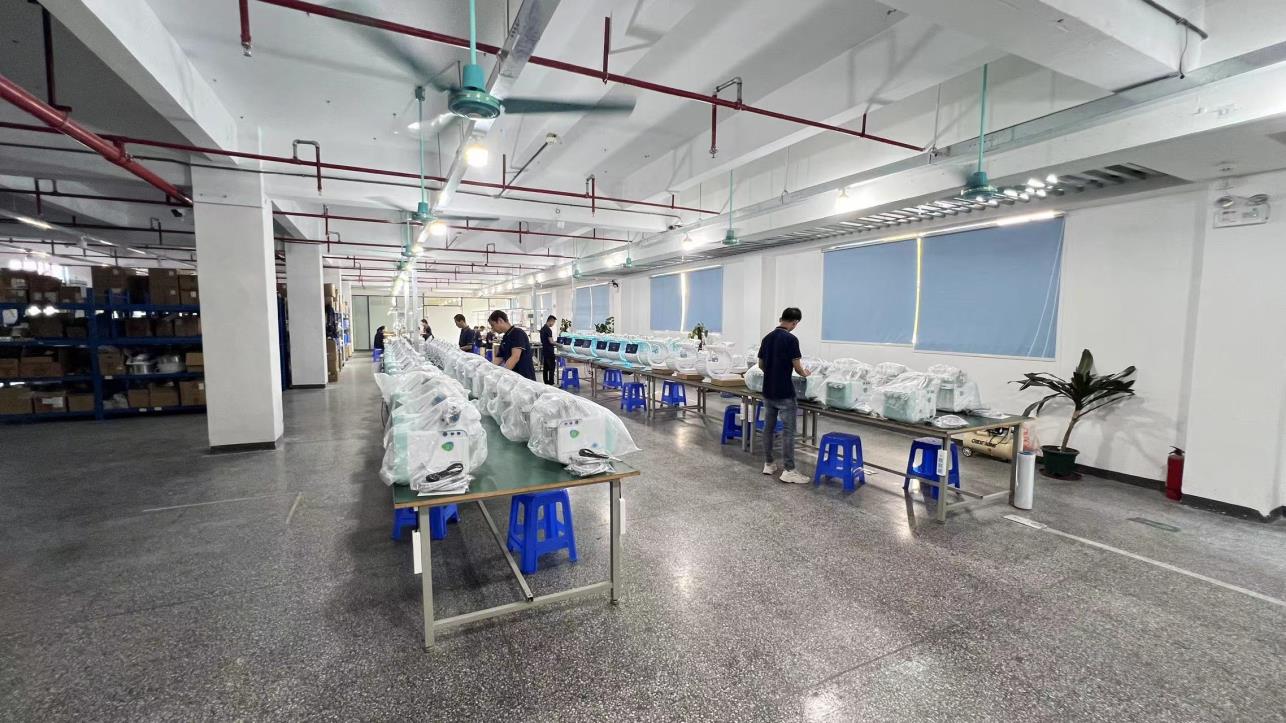
China's Pearl River Delta offers an unparalleled supply chain for medical and beauty components. Precision CNC machining, injection molding, electrical component assembly, and software engineering are concentrated in close proximity. This allows Yiki Beauty to offer production turnaround cycles of 7 to 15 days, even for complex OEM orders. Osaka distributors can scale their supply dynamically based on salon demand cycles, mitigating high warehousing costs in Japan.
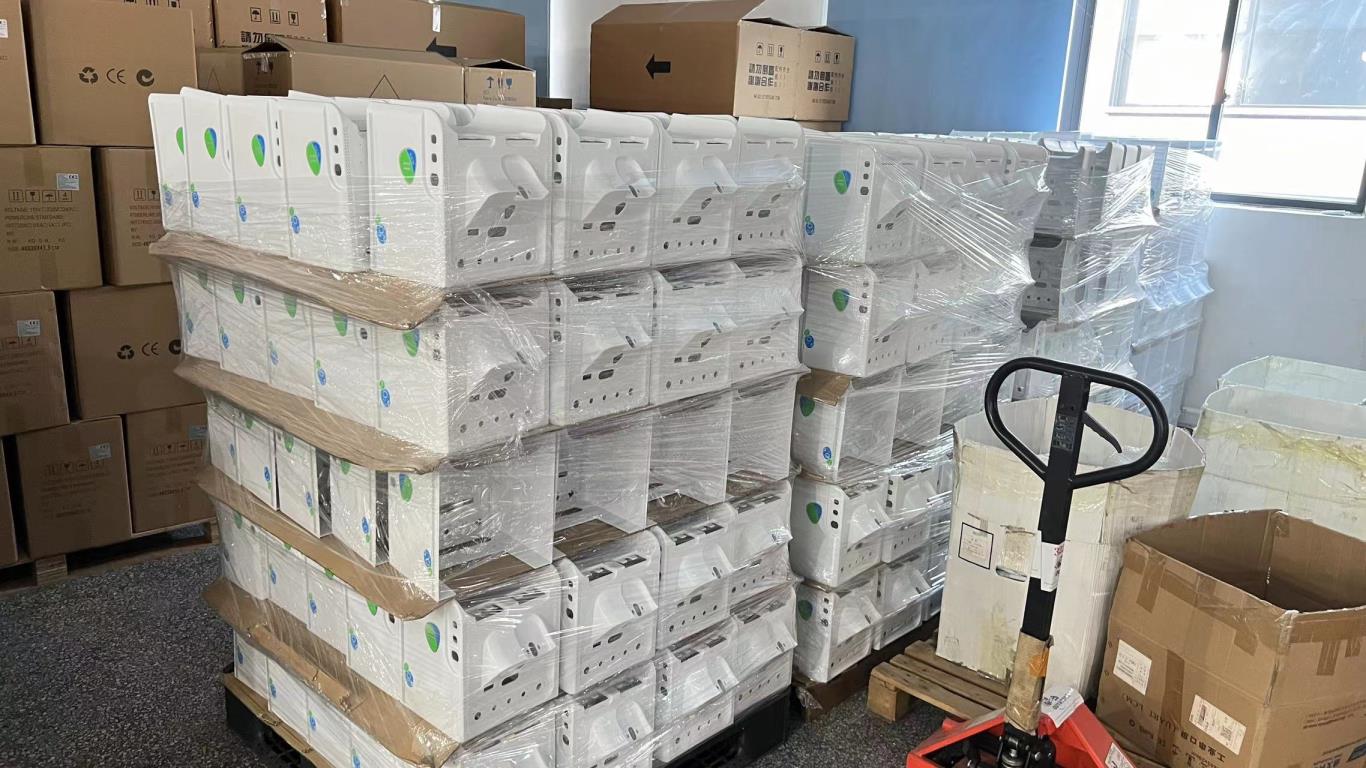
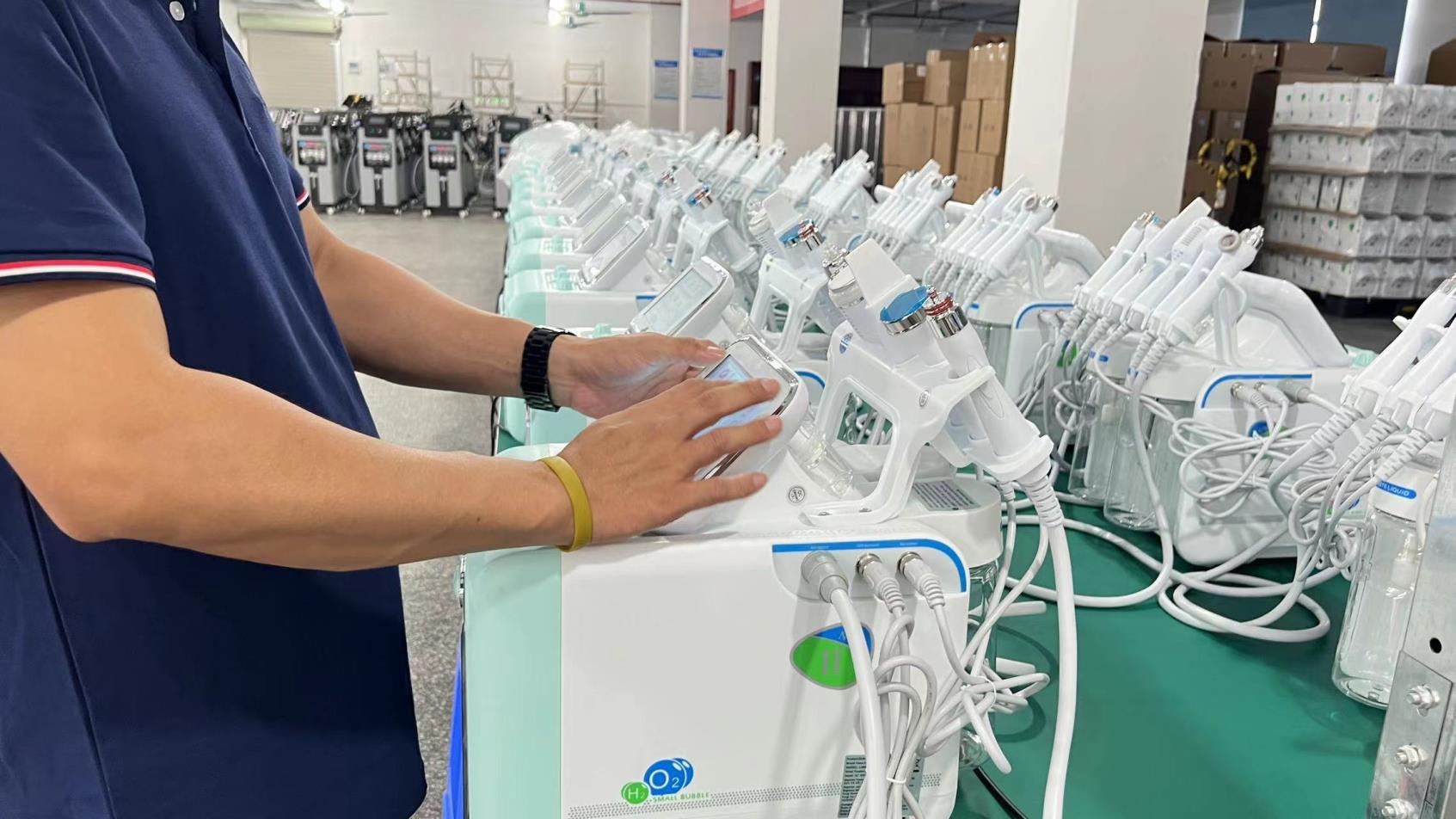
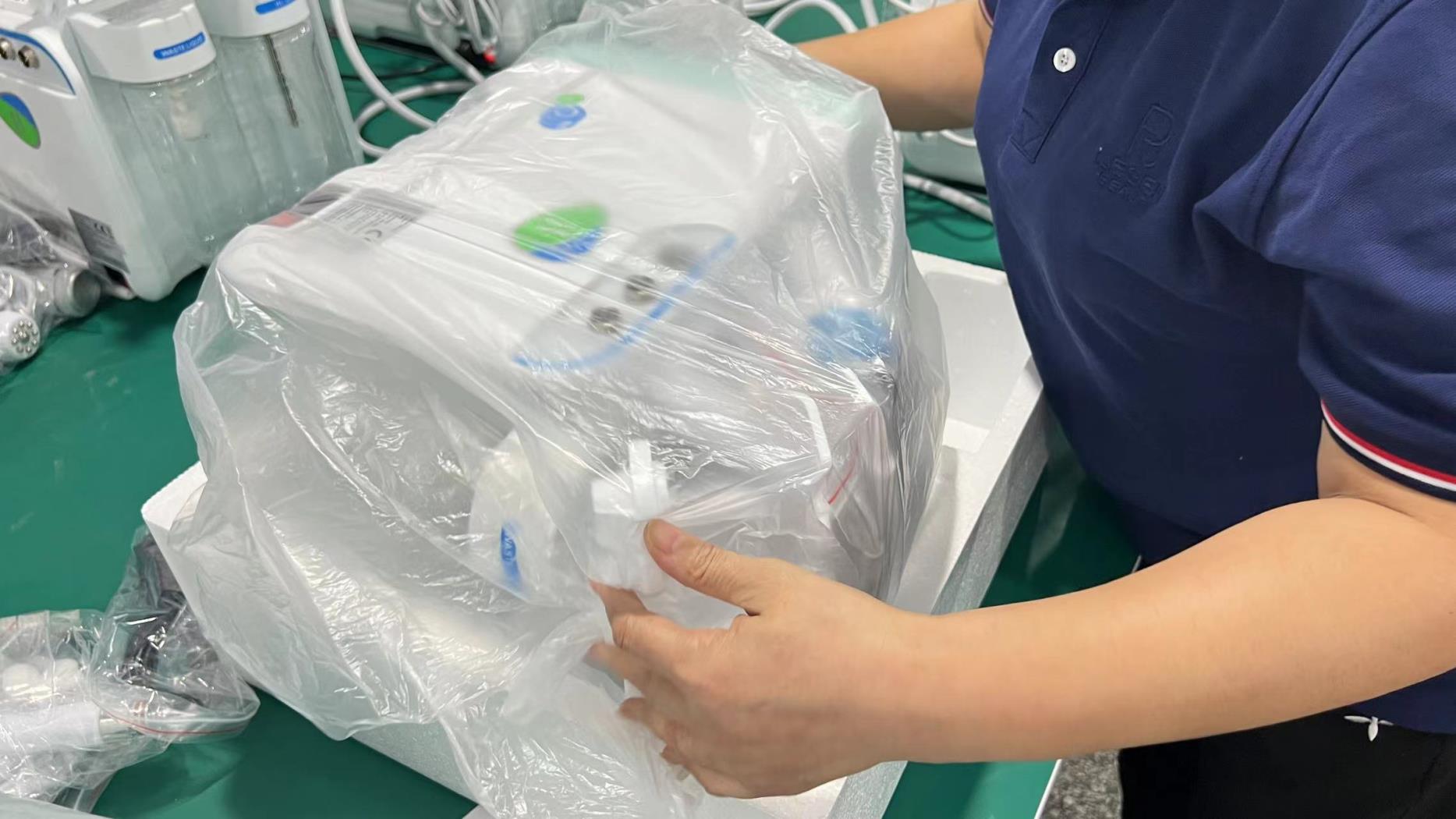
Quality assurance is critical when importing into Japan. Shenzhen Yiki Beauty Co., Ltd. implements a multi-step inspection framework, which includes component screening, high-pressure pressure leak testing for vacuum valves, mechanical endurance test of rotating rollers, and a continuous 48-hour burn-in functional testing sequence prior to secure wood-case packaging. This guarantees that devices arriving in Osaka are ready for immediate clinical deployment.
Global Export Markets
Pre-Shipment Testing
OEM/ODM Customization
Compliance Standards
An Engineering and Physiological Breakdown of Non-Invasive Subdermal Tissue Mobilization
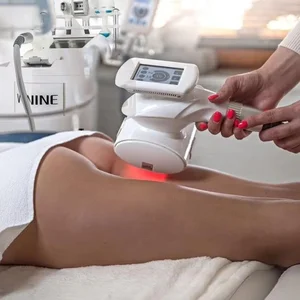
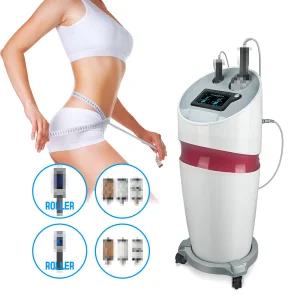
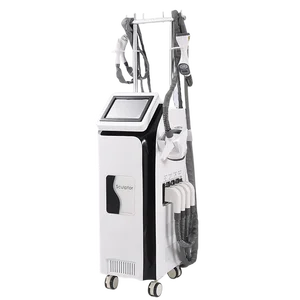
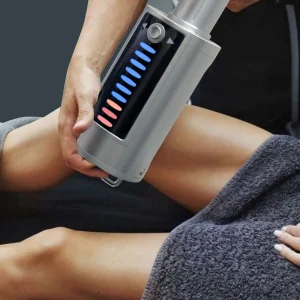
Vacuum roller body shaping systems (often referred to under clinical terms such as endermology, mechanical subdermal massage, or multi-polar mechanical vacuums) work by creating a temporary skin fold. The negative pressure generated by the vacuum pump lifts the skin and subcutaneous fat tissue, while the mechanical rollers fold and stretch the underlying connective tissue fibers (septa).
This mechanical transduction process sends signals down to the adipocytes (fat cells), triggering lipolysis (the breakdown of stored lipids into free fatty acids) through beta-receptor activation. The simultaneous mechanical manipulation improves microcirculation, boosting localized blood flow up to four times during treatment, while accelerating lymphatic clearance to eliminate metabolic waste products.
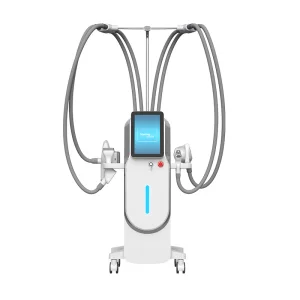
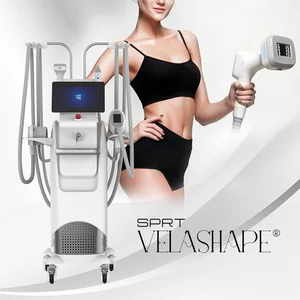
Advanced devices, such as the V-Nine and Vela Shape series, integrate high-frequency electromagnetic energy (RF) and infrared light (IR) within the vacuum handpiece. The IR pre-heats the target tissue to depths of up to 5mm, lowering skin impedance. The bi-polar RF energy then delivers thermal energy deep into the dermal and subdermal layers (up to 15mm depth), stimulating collagen contraction and remodeling.
This combined therapy tightens loose skin caused by sudden weight loss or aging, making it an ideal choice for postpartum recovery protocols and intensive cellulite reduction programs in Osaka clinics.
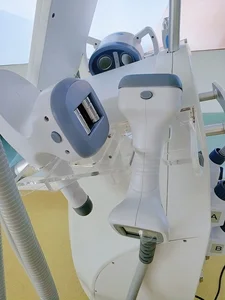
The latest iteration of vacuum roller machines features rotating compression micro-vibration technology (such as the Inner Ball Roller and 9D Rotation systems). Instead of relying solely on strong negative suction (which can sometimes cause bruising on sensitive skin types), these devices utilize a matrix of medical-grade silicone or glass spheres that rotate at high speeds.
This generates a continuous, wave-like compression and rotation on the skin. The mechanical stress breaks down rigid fibrous bands (fibrosclerotic cellulite) without causing epidermal trauma. This makes the treatment comfortable and suitable for delicate areas like the face, neck, and inner arms.
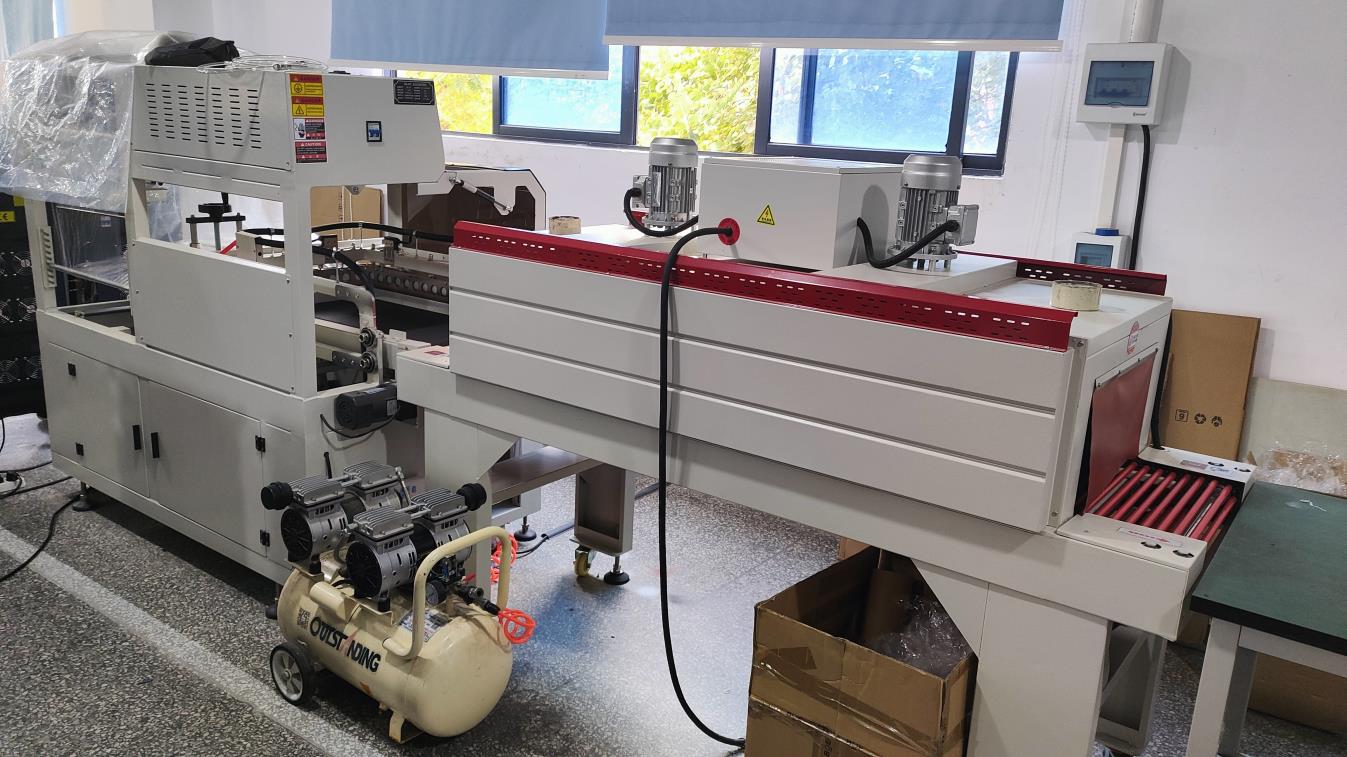
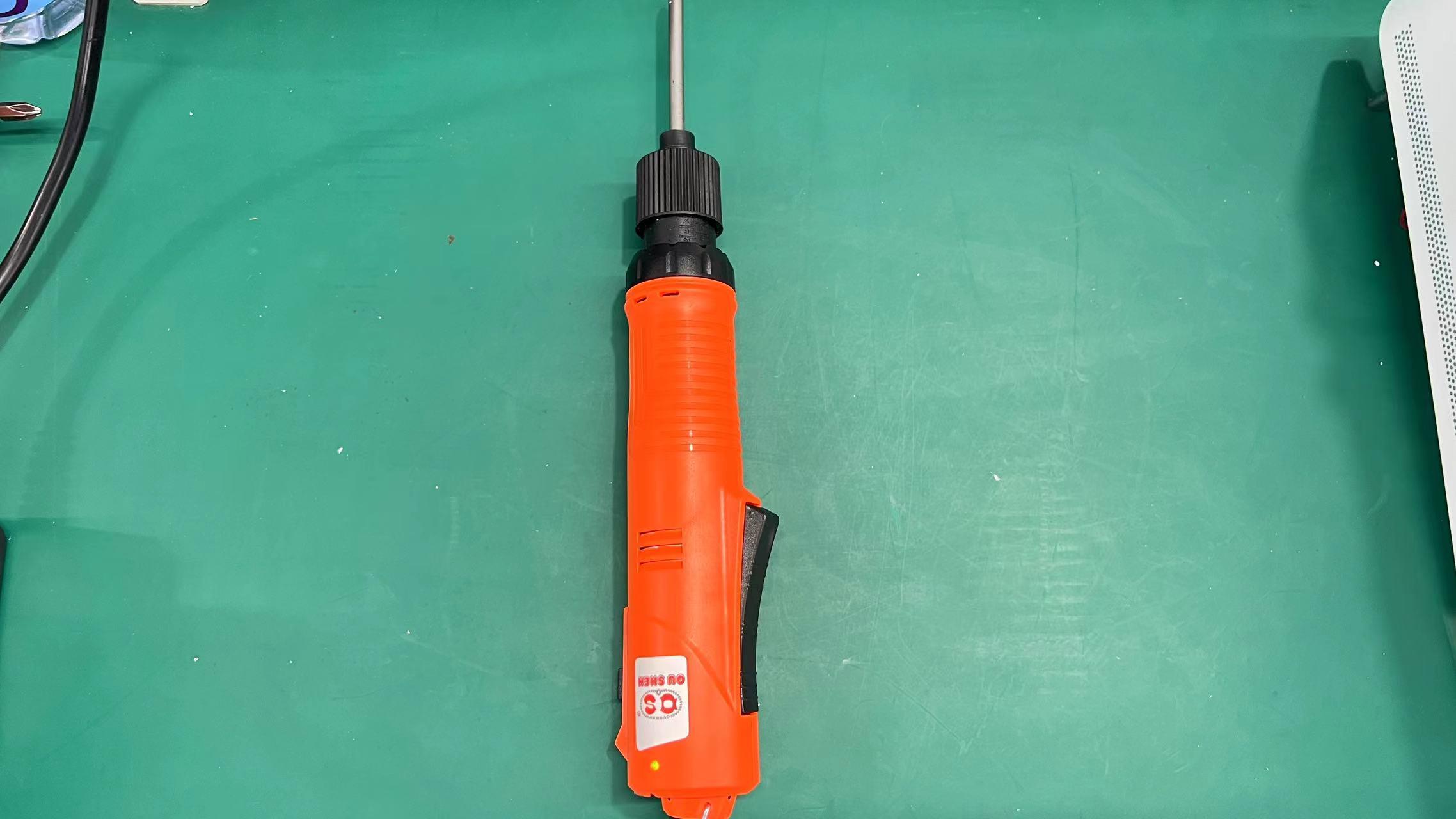
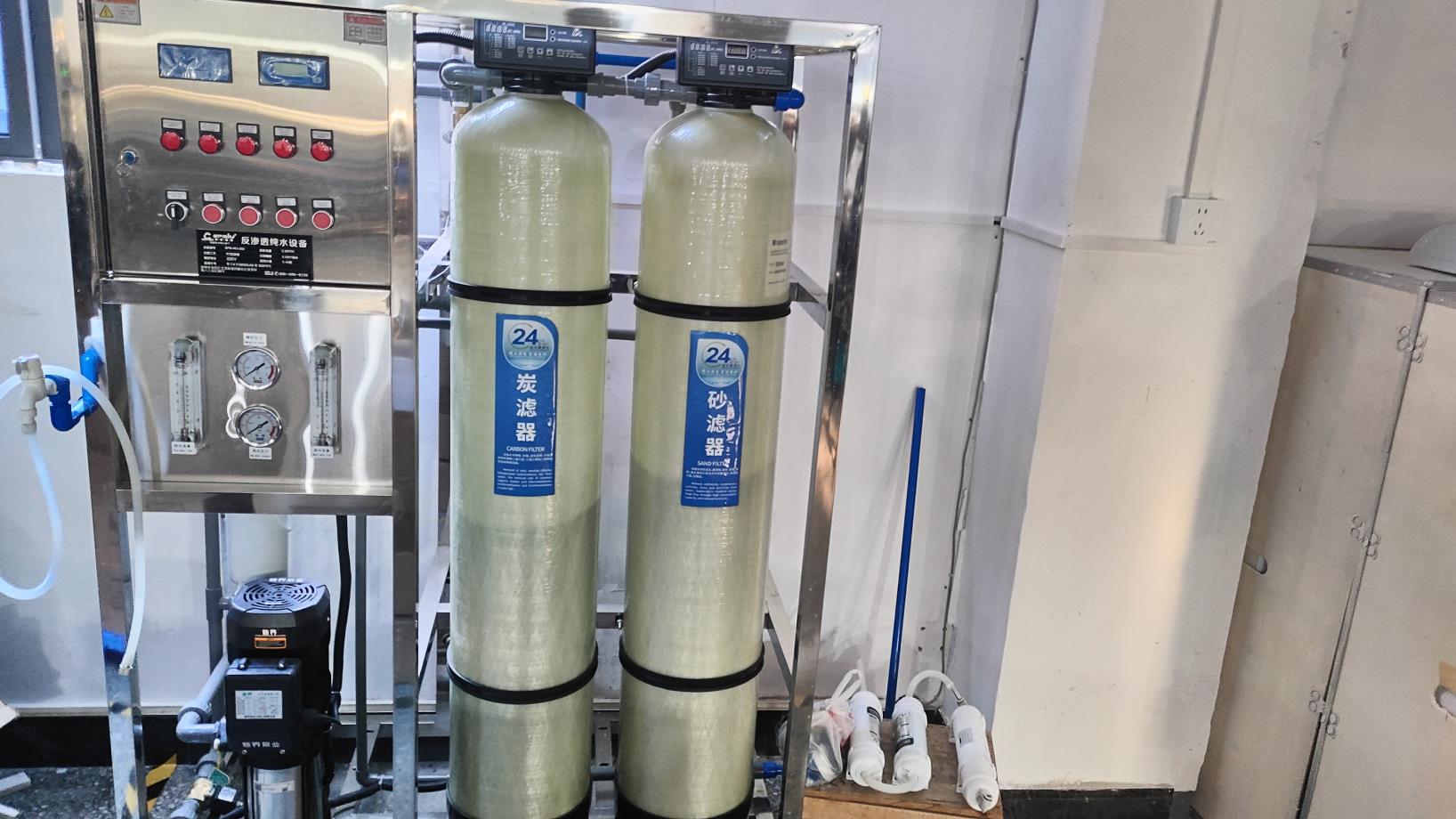
A transparent look inside our ISO-aligned manufacturing processes at Shenzhen Yiki Beauty Co., Ltd.
A Technical Checklist for Osaka Distributors and International Buyers Sourcing Beauty Equipment
Navigating direct factory procurement requires balancing volume commitments with customization requests. At Shenzhen Yiki Beauty Co., Ltd., we provide flexible MOQ options starting from 1 unit for sample evaluation, scaling up to container-level shipments for regional distributors. By working directly with a manufacturer, Osaka importers can save up to 50% compared to local Japanese trading agents.
Shipping large vertical medical aesthetic units to Japan requires proper customs documentation. Standard procedures include declaration of electrical safety compliance, provision of schematic wiring diagrams for inspection, and matching custom HS codes (HS: 9018.90 for electro-medical apparatus or 8543.70 for general electrical beauty apparatus). Our experienced logistics team coordinates with freight forwarding networks in Kobe and Osaka ports to ensure smooth, tax-compliant customs clearance.
Technical down-time can disrupt salon operations. Shenzhen Yiki Beauty Co., Ltd. provides a comprehensive technical support package, including HD video operation tutorials, physical parameter protocols, and 24/7 direct remote assistance for salon technicians. Replacement modules (such as vacuum filters, handpiece buttons, and cooling fans) are packed with every volume shipment to ensure rapid, on-site maintenance without delaying patient appointments.
Clear, technical explanations addressing import regulations, machine capabilities, and custom manufacturing options.
High-end solutions designed for clinics, spas, and wholesale distribution networks in Osaka and globally.
 Yiki Beauty