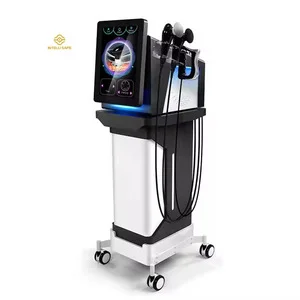
Direct from Yiki Beauty's ISO 13485 certified production floor to Almaty, Astana, and Shymkent healthcare providers.
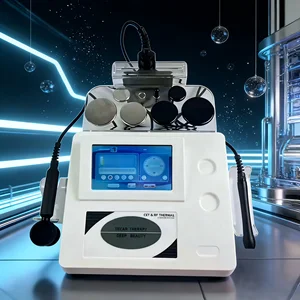
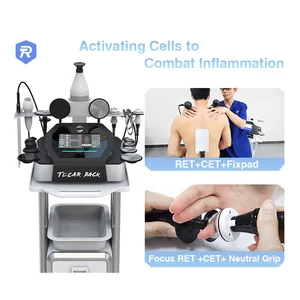
Evaluating the macroeconomic demand shifts within the healthcare infrastructure of Central Asia's largest economy.
The Republic of Kazakhstan is undergoing a historic modernization of its healthcare and rehabilitative medical framework. Under national strategic directives, there is a structural pivot toward non-invasive, high-efficacy therapeutic modalities that reduce patient recovery periods and relieve long-term dependency on pharmaceutical interventions. Among these emerging technologies, Capacitive and Resistive Energy Transfer (CET/RET) Tecar therapy has transitioned from an elite sports medicine luxury to a cornerstone of daily rehabilitative and physiological therapy.
Historically, the clinical landscape in Almaty, Astana, and Karaganda relied heavily on classical physical therapy methodologies, including standard ultrasound and microwave diathermy. However, the lack of depth control and the associated risks of superficial tissue burns often limited their therapeutic window. Modern Tecar therapy, utilizing a precise radiofrequency band (typically 448kHz to 1MHz), works via endogenous heat generation. By stimulating cellular metabolism at a deep, targeted level without overheating surface tissues, Tecar devices offer safe, deep-tissue therapy for joint pain, muscle trauma, and post-surgical recovery.
This technological shift is further accelerated by the rapid rise of private medical centers and wellness resorts across Kazakhstan. Establishments ranging from high-end sanatoriums in Borovoy to specialized orthopedic clinics in Shymkent are actively integrating RET CET Tecar machines to distinguish their services, optimize patient outcomes, and capture growing consumer demand for advanced aesthetic therapies, including non-surgical face lifting and body contouring.
Unlike external heat applications, Tecar therapy generates thermal energy from within biological tissues, stimulating deep blood flow, speeding cellular repair, and instantly relieving pain.
By delivering immediate pain relief and mobility improvements, clinics report higher patient retention, increased referrals, and a fast return on initial equipment investments.
Engineered to meet the import and safety regulations of the Eurasian Economic Union, ensuring smooth customs clearance and fully compliant clinical operations.
Analyzing the physics of 448kHz monopolar radiofrequency and the differences between CET and RET applications.
To understand the efficacy of TECAR (Capacitive and Resistive Energy Transfer) technology, we must analyze its biophysical mechanics. The technology operates as a monopolar radiofrequency treatment that passes high-frequency alternating current through the human body. By utilizing a return plate (passive electrode) and an active handpiece, the system completes an electrical circuit, causing ions within cellular fluids to oscillate rapidly along the path of least resistance.
Clinical studies show that a frequency of 448kHz is the optimal wavelength for biostimulation and thermal energy delivery. At this frequency, the cell membrane's permeability is restored, facilitating the exchange of intra- and extra-cellular ions. This process, known as cell sub-thermal therapy, stimulates cellular repair, increases ATP synthesis, and boosts microcirculation without raising core body temperature. When the output energy is increased, the thermal effect takes over, inducing deep vascularization and oxygenating tissues to accelerate recovery.
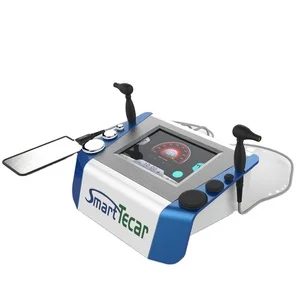
Our professional Tecar therapy systems feature dual-mode operation, allowing therapists to target different tissue depths and types during a single session:
| Technical Parameters | CET Mode (Capacitive) | RET Mode (Resistive) |
|---|---|---|
| Operating Frequency | 300 KHz / 448 KHz / 500 KHz (Multi-frequency options) | 300 KHz / 448 KHz / 1 MHz (High-penetration options) |
| Electrode Characteristics | Insulated coating (ceramic/polyamide) | Stainless steel / Titanium alloy (Uninsulated) |
| Target Biological Tissues | Muscles, vascular system, skin, lymphatic fluid | Bones, tendons, ligaments, joint capsules, fibrotic fat |
| Primary Application | Myofascial release, skin tightening, lymphatic drainage | Chronic joint rehabilitation, deep scar tissue breakdown |
| Therapeutic Depth | Superficial to mid-depth (1 - 3 cm) | Deep structures (3 - 8+ cm) |
Integrating modern physiotherapy equipment into regional clinical protocols and public-private healthcare partnerships.
Across Kazakhstan, regional health authorities are seeking sustainable solutions to manage the healthcare costs associated with musculoskeletal disorders, chronic arthritis, and occupational injuries. Heavy industrial sectors in regions like Karaganda and Pavlodar, alongside mining operations in East Kazakhstan, generate a steady demand for occupational rehabilitation. By equipping regional clinics and rehabilitation centers with advanced CET RET Tecar machines, healthcare networks can deliver faster recovery pathways for workers, minimizing downtime and boosting regional economic productivity.
Furthermore, the growth of sports medicine in Kazakhstan—driven by elite athletic training facilities in Almaty and Nur-Sultan—demands highly efficient therapy devices. Professional athletes require immediate interventions post-injury to prevent chronic scar tissue and accelerate muscle regeneration. Tecar therapy's ability to operate in sub-thermal mode immediately after acute trauma provides sports clinicians with a safe tool to reduce swelling and pain, helping athletes return to training safely and quickly.
Accelerating recovery for industrial workers suffering from chronic back strain, joint degeneration, and repetitive stress injuries.
Treating sprains, muscle tears, and tendon strains in professional training facilities, reducing recovery times by up to 50%.
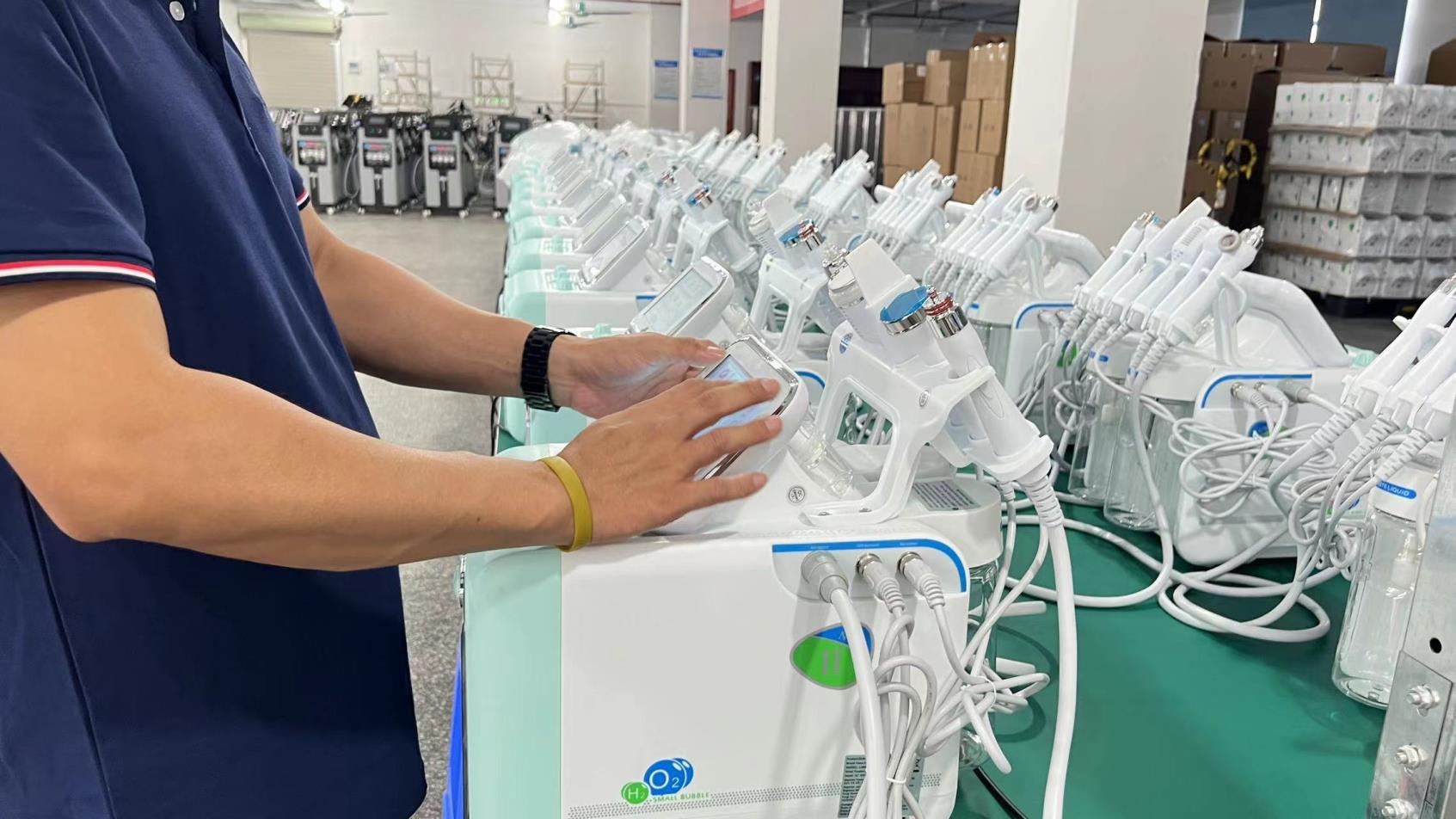
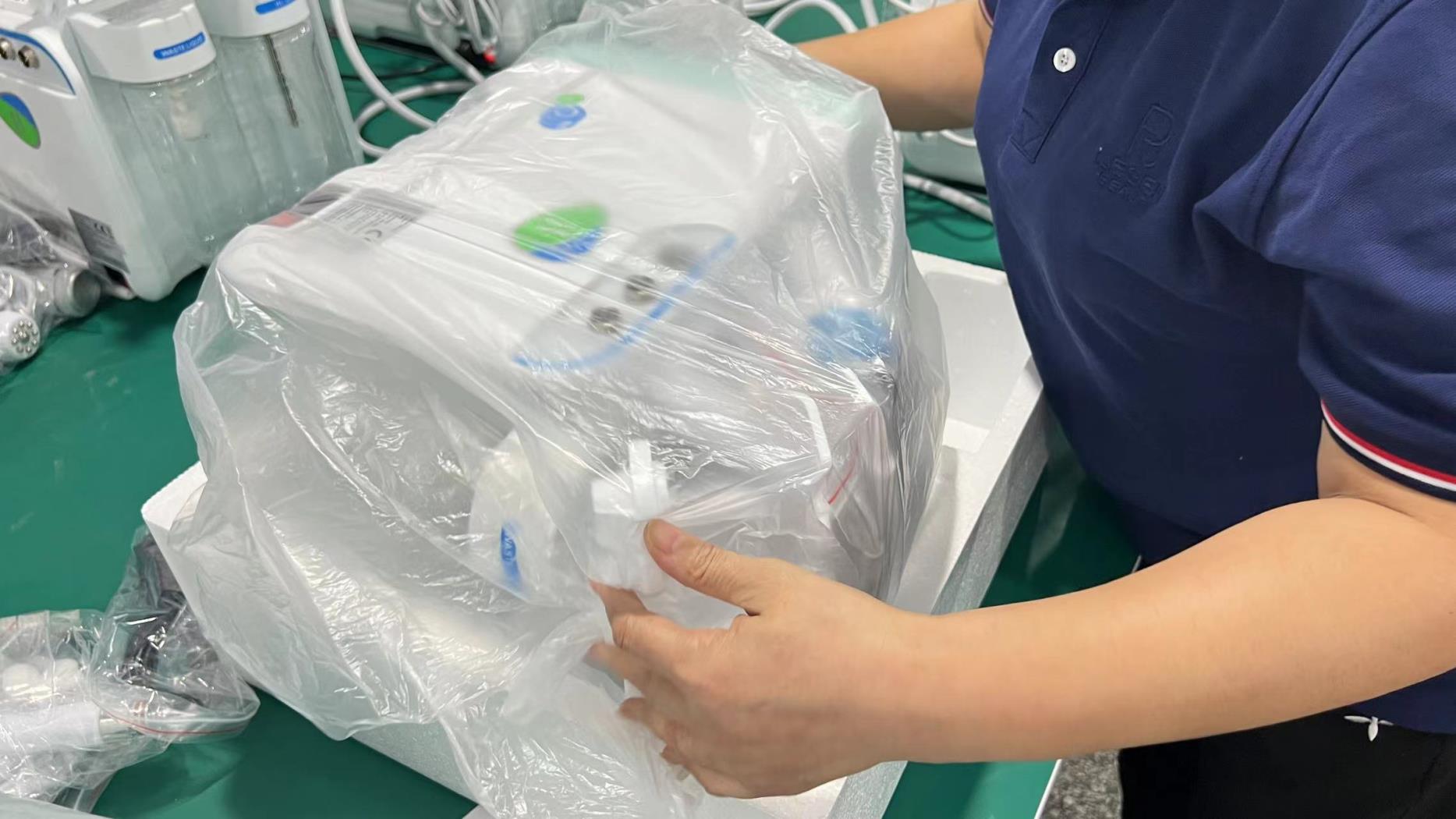
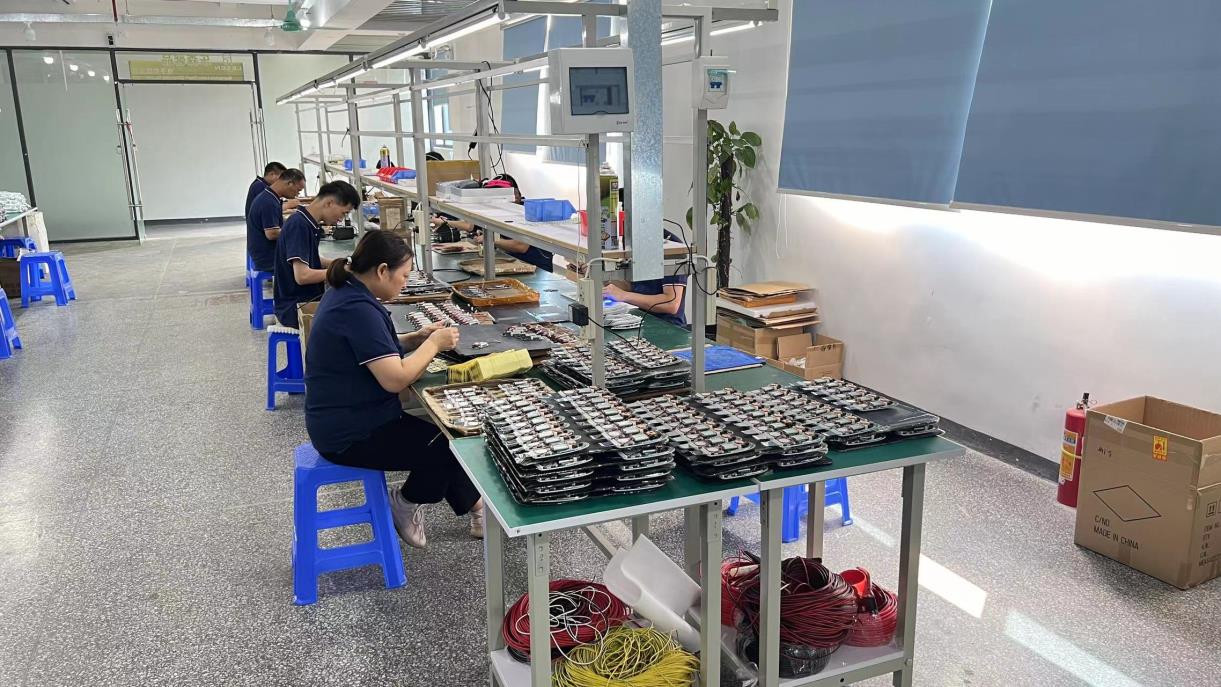
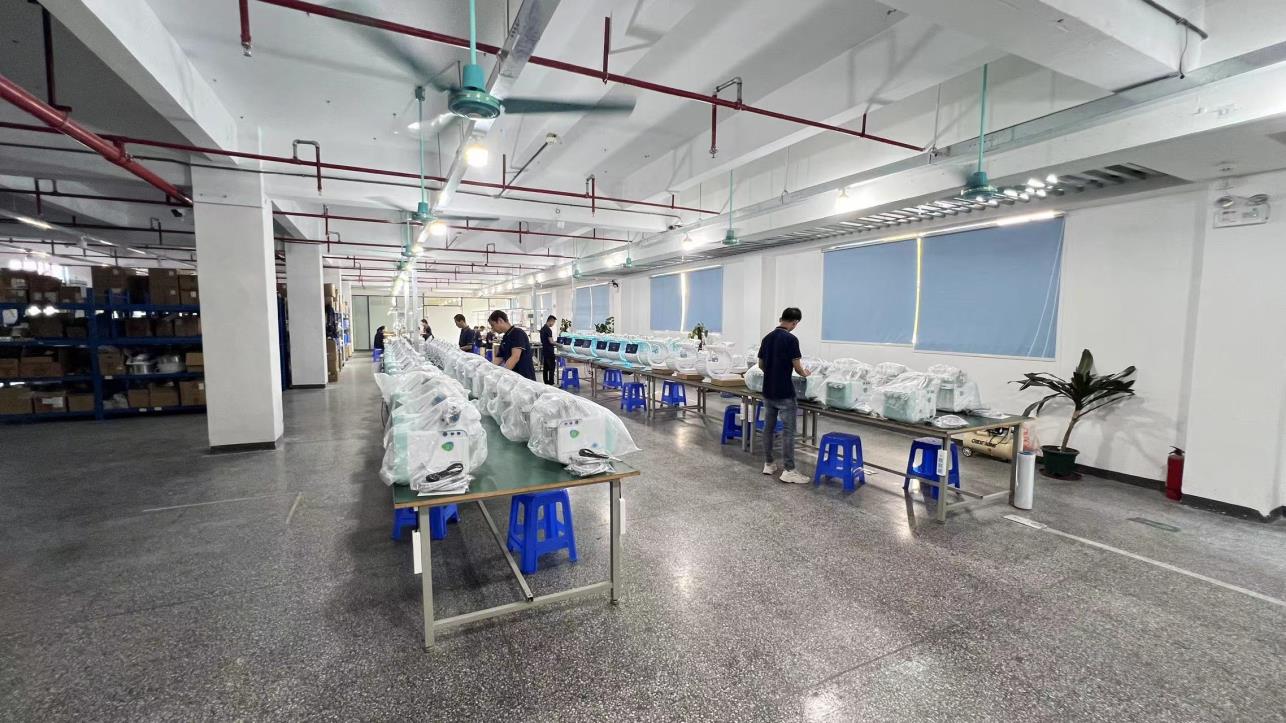
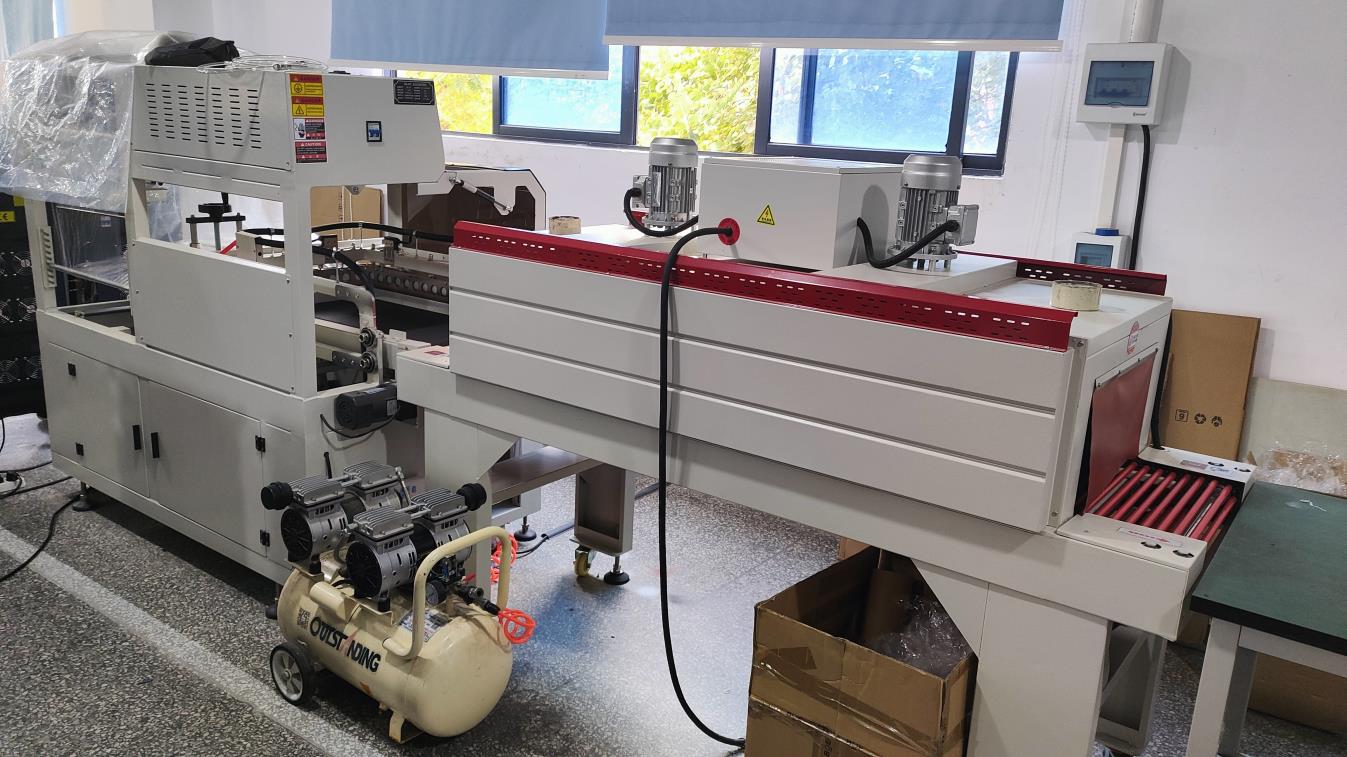
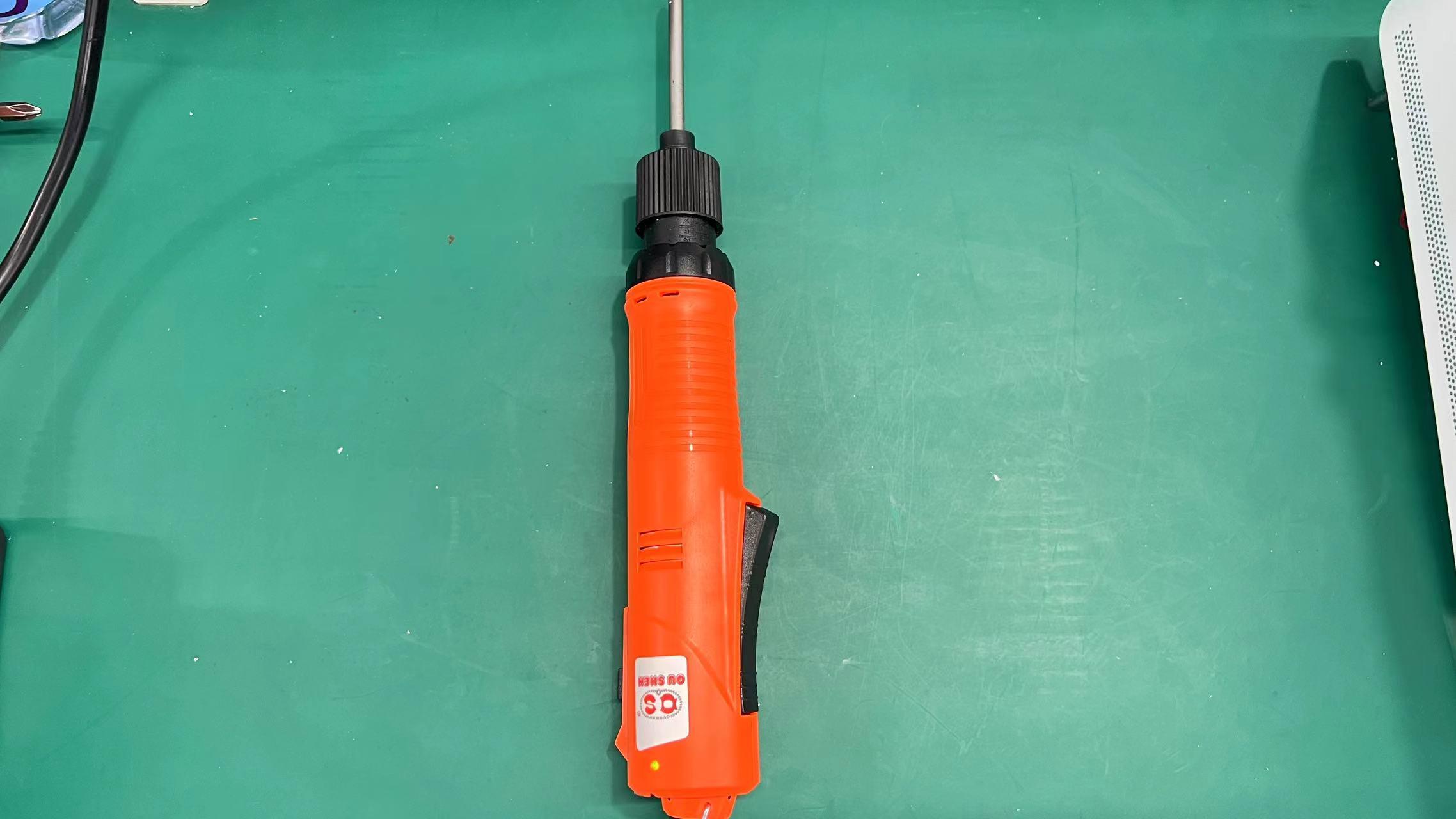
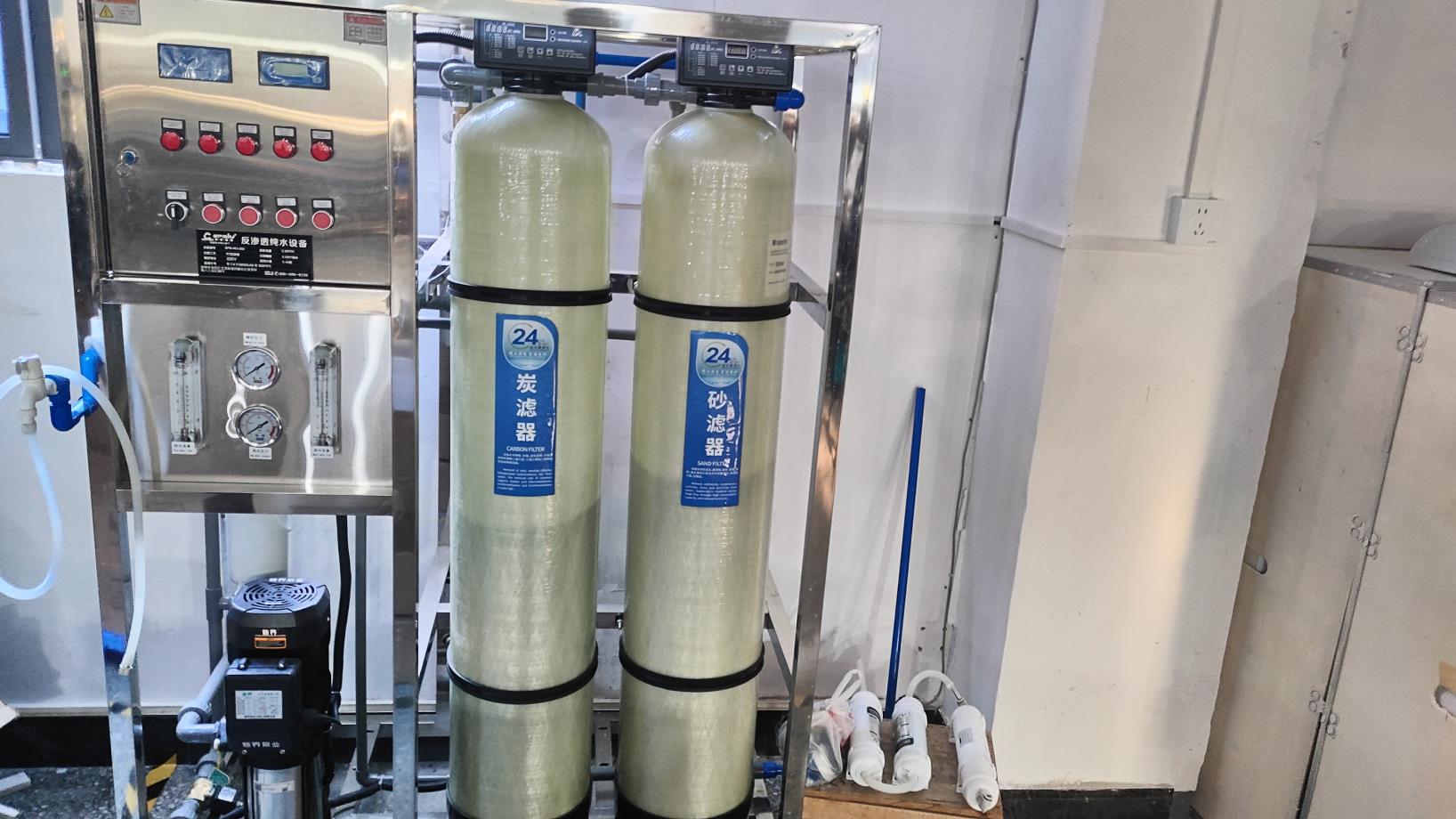
Inside Shenzhen Yiki Beauty Co., Ltd.’s advanced manufacturing facility: Ensuring precision, reliability, and scale.
At Shenzhen Yiki Beauty Co., Ltd., we combine advanced engineering with strict quality control to deliver clinical-grade medical and aesthetic equipment. Our Factory 4.0 infrastructure integrates design, precision electronic assembly, and testing. This end-to-end control ensures that every CET RET Tecar machine shipped to Kazakhstan meets high standards of performance and reliability.
Our production floor uses automated testing systems to monitor calibration, frequency stability, and electrical safety in real time. We source premium-grade raw materials and components, ensuring our handpieces and main units resist thermal fatigue and handle continuous clinical operation. For B2B importers in Kazakhstan, our manufacturing capacity translates to robust supply chains, customizable OEM/ODM options, and consistent component quality.
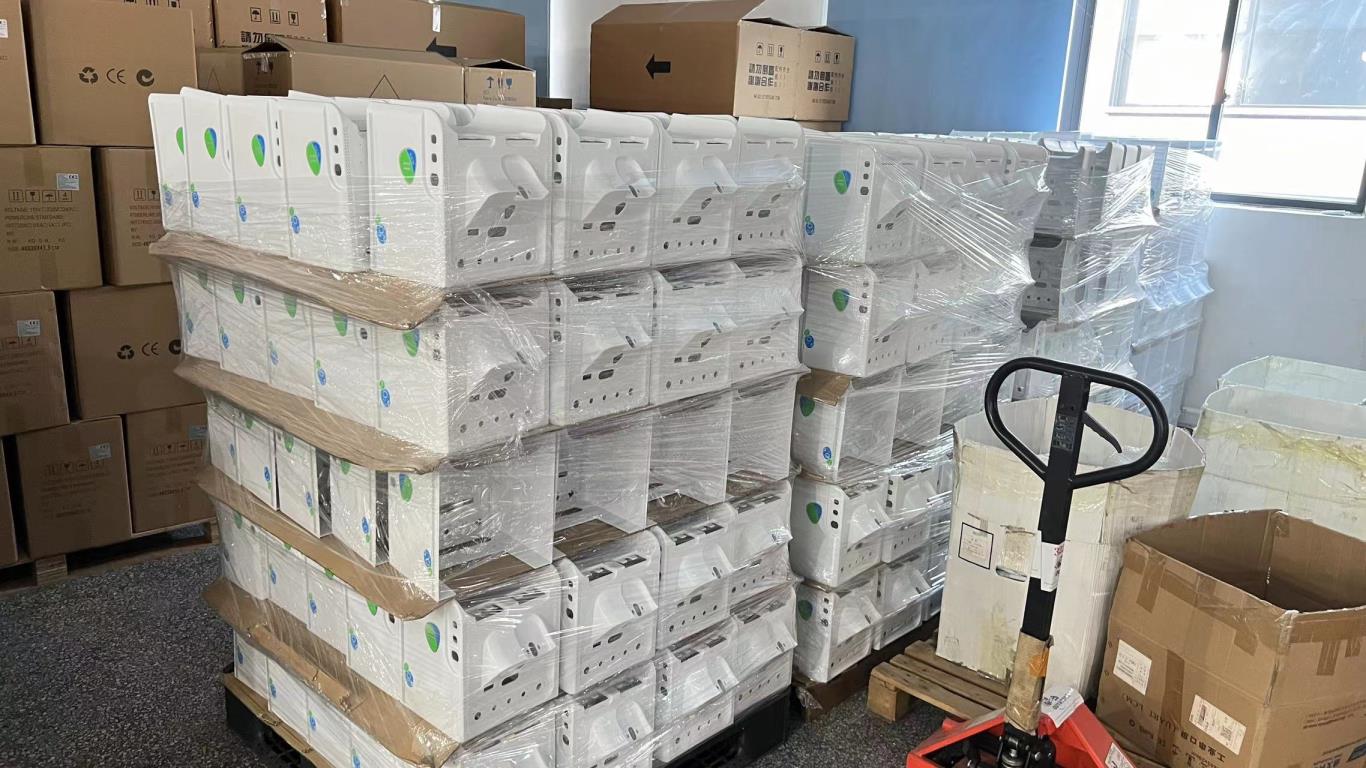
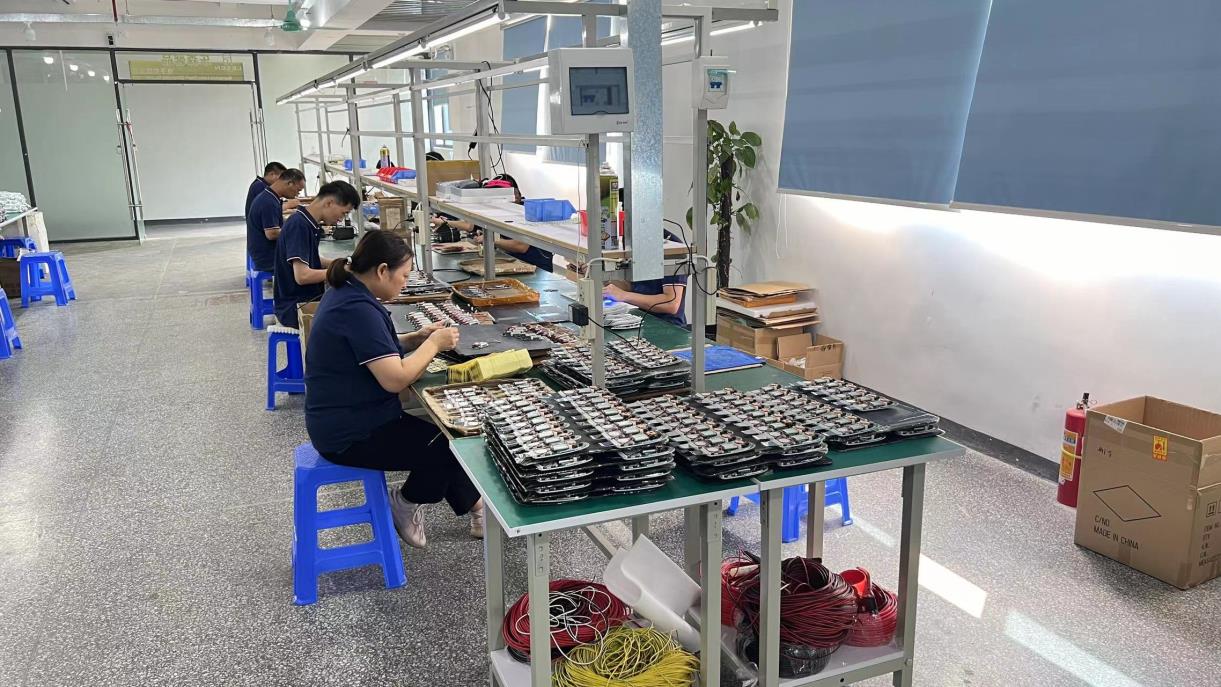
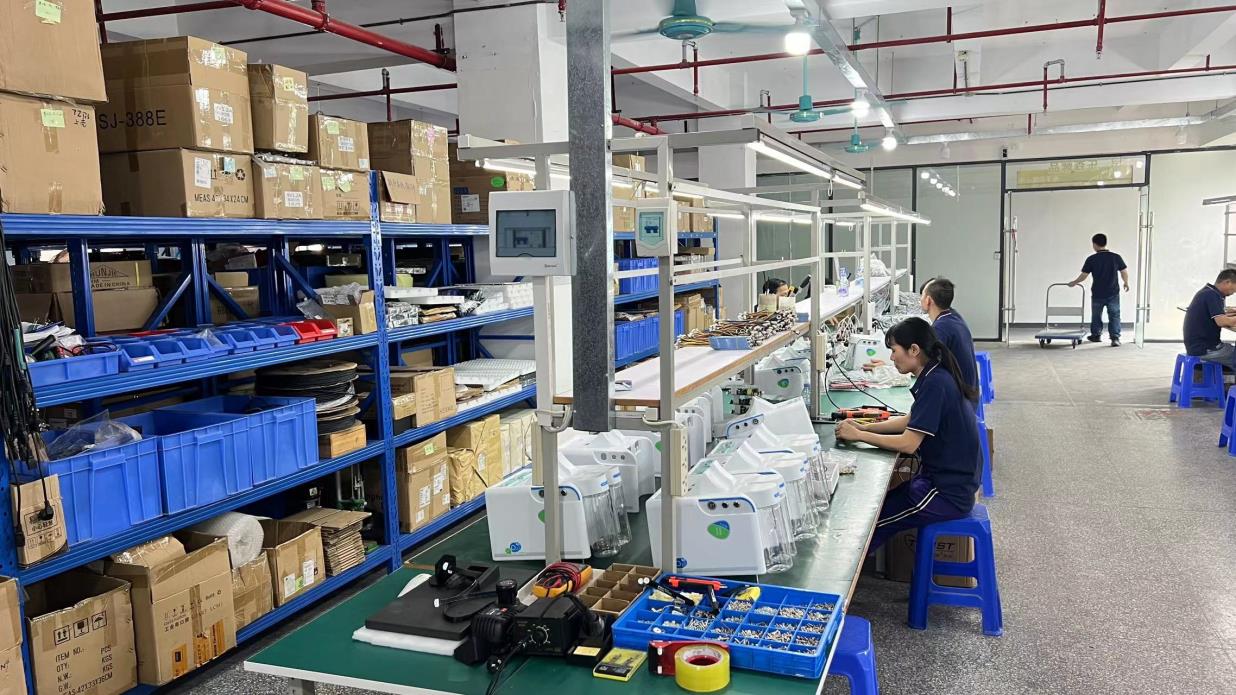
Navigating regional customs, EAC certifications, and providing post-sale training across Central Asia.
A key challenge for Kazakhstan healthcare distributors importing high-tech medical equipment is ensuring compliance with regional import standards. All Yiki Beauty products destined for Central Asia are manufactured to meet the technical standards of the Eurasian Economic Union (EAEU). We provide the necessary documentation, including CE certifications, safety reports, and support for local GOST-K registration processes.
Our logistics strategies utilize established overland routes through the Khorgos Gateway and Altynkol. This enables cost-effective and reliable shipping from our production hub in Shenzhen to major logistics centers in Almaty and Astana. Additionally, we provide comprehensive training programs, detailed clinical manuals, and remote technical support in both English and Russian, helping local practitioners operate the equipment safely and effectively from day one.
Overland freight connections reduce transit times compared to sea shipping, delivering equipment to Kazakhstan destinations securely and efficiently.
We provide comprehensive technical documentation, test reports, and compliance certification support for straightforward custom clearance.
Our digital training libraries and live instruction video sessions help your technicians and clinicians master Tecar operations quickly.
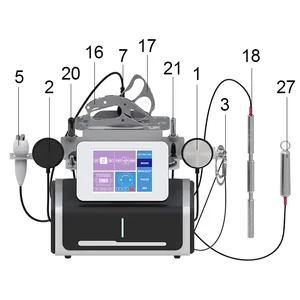
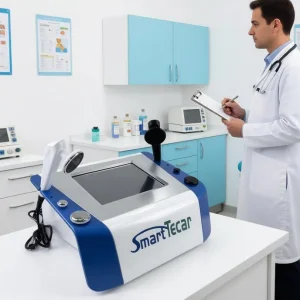
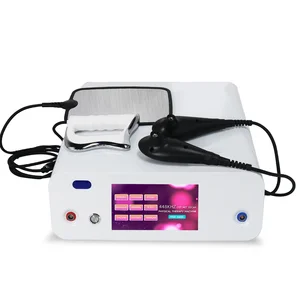
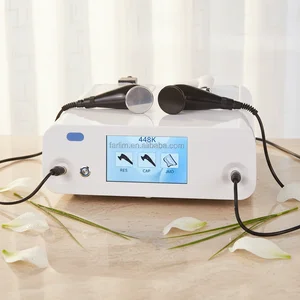
Select the ideal output frequency, power capacity, and configuration for your distribution network or aesthetic salon.
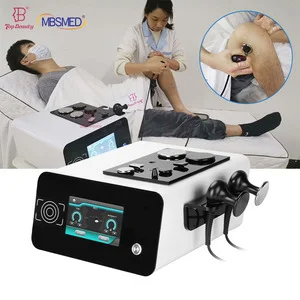
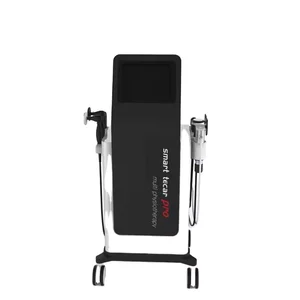
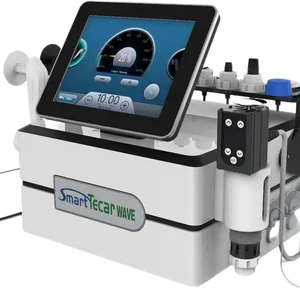
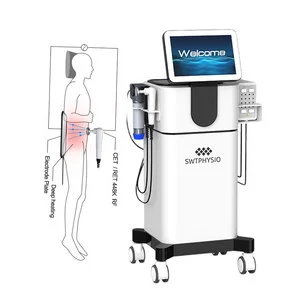
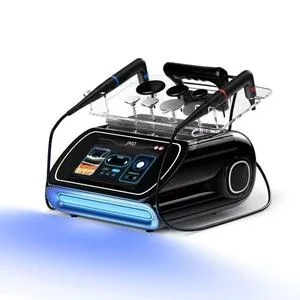
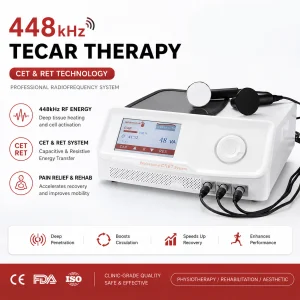
Answering technical, regulatory, and logistics queries for B2B partners in Kazakhstan and Central Asian markets.
 Yiki Beauty