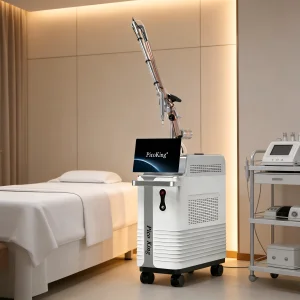
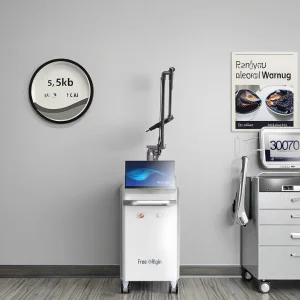
Discover our elite line of picosecond laser machines engineered with high peak power, articulating Korean arm technology, and multi-wavelength capabilities optimized for diverse skin phototypes in Toronto, Vancouver, and Montreal clinics.
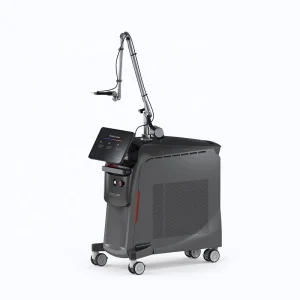
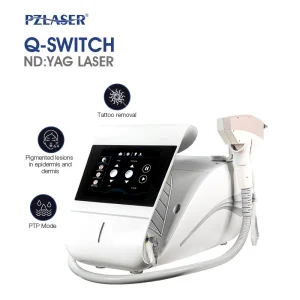
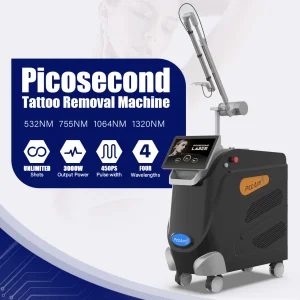
Canada’s non-invasive aesthetic industry is experiencing a phase of intense technological sophistication. In key metropolitan corridors—spanning the Greater Toronto Area (GTA), Metro Vancouver, Montreal, and Calgary—the demand for highly effective tattoo removal and pigment correction has shifted completely from traditional Q-switched lasers to ultra-short pulse picosecond technology.
Modern Canadian consumers, heavily influenced by clinical efficacy profiles and social media visibility, demand rapid clearance rates with minimal downtime. Picosecond technology addresses this by delivering laser energy in trillionths of a second. This incredibly rapid pulse duration triggers a pure photomechanical effect, shattering ink particles into micro-dust without overheating surrounding tissues. The result is a dramatic decrease in the number of treatment sessions required, reduced risk of post-inflammatory hyperpigmentation (PIH), and higher overall clinical throughput.
As direct manufacturers, we enable Canadian medical device importers, salon owners, and clinical chains to access direct-from-factory pricing while guaranteeing that our hardware configurations stand up to rigorous Canadian environmental, electrical, and clinical performance standards.
Q-switched platforms operate in the nanosecond range (10^-9 seconds), relying primarily on photothermal action which heats the pigment and surrounding tissue. Picosecond lasers (operating at 10^-12 seconds) produce acoustic shockwaves that break pigments mechanically, dramatically reducing thermal injury rates and shortening treatment intervals from 8-12 weeks down to 4-6 weeks.
A successful clinical practice requires an aesthetic laser platform that can tackle all ink types across all Fitzpatrick skin classifications. Our multi-wavelength picosecond architectures provide unprecedented versatility.
Our standard picosecond laser platform utilizes high-energy Nd:YAG crystals coupled with advanced frequency-doubling and dye-handpiece options to output up to four distinct wavelengths. Below is the technical schematic of how our lasers match to clinical needs in Canadian patient cohorts:
| Wavelength (nm) | Target Pigment & Indication | Clinical Tissue Interaction | Skin Phototype Suitability |
|---|---|---|---|
| 1064nm | Black, dark blue, and dark green inks; dermal melanosis. | Deep penetration with minimal epidermal melanin absorption. High safety profile. | Fitzpatrick I - VI (Excellent for darker skin types) |
| 532nm | Red, orange, and warm tone inks; epidermal lesions (lentigines). | Shallow penetration with high hemoglobin and melanin absorption. | Fitzpatrick I - III (Requires caution on darker skin) |
| 755nm (Alexandrite/Honeycomb) | Green, sky blue, and stubborn recalcitrant pigments. | Excellent balance of pigment absorption and depth; utilizes fractional honeycomb lens. | Fitzpatrick I - IV (Excellent for skin rejuvenation) |
| 1320nm (Carbon Peel) | Sebum control, acne scar reduction, skin toning. | Non-ablative heating of carbon paste in follicular openings for deep cleansing. | Fitzpatrick I - VI (Universal application) |
Maintains optical pathway alignment over millions of shots. Standardized output energy distribution reduces thermal hot spots and treatment pain.
Varying from 2mm to 10mm directly via the handpiece interface. Promotes seamless adjustment of fluence depending on tissue response.
Integrated dual-fan and high-efficiency water circulation systems allow clinics to run back-to-back 12-hour shifts without power decay.
Navigating the importing regulations set by Health Canada is a critical checkpoint for Canadian distributors. In Canada, aesthetic laser systems used for tattoo removal are categorized as medical devices. Depending on their primary indications, they fall under Class II or Class III medical device licensing frameworks.
Shenzhen Yiki Beauty Co., Ltd. prides itself on its robust global compliance structure. Our manufacturing facilities are certified under ISO 13485 (Medical Devices Quality Management Systems). All our systems carry comprehensive certification portfolios which are vital for your MDEL (Medical Device Establishment License) submissions. We provide our partners with:
Moreover, we offer targeted OEM customized branding, including software user interface localization in English and French to accommodate clinics operating in Quebec and throughout bilingual Canadian regions.
While Health Canada regulates the sale and import of medical lasers, the operation of these devices is governed by provincial colleges of physicians, cosmetologists, and workplace safety boards (e.g., WorkSafeBC, WSIB Ontario). In provinces like Ontario and British Columbia, laser safety officers (LSO) are highly recommended within clinical establishments.
To support this, we supply complimentary, exhaustive laser safety protocols and operational training templates with every machine order, ensuring your client clinics are positioned for immediate, compliant operation.
Shenzhen Yiki Beauty Co., Ltd. operates a highly standardized, vertically integrated production ecosystem. By keeping R&D, design, mechanical processing, quality control, and testing in-house, we eliminate intermediate supply chain markups, passing significant capital expenditure savings to our partners.
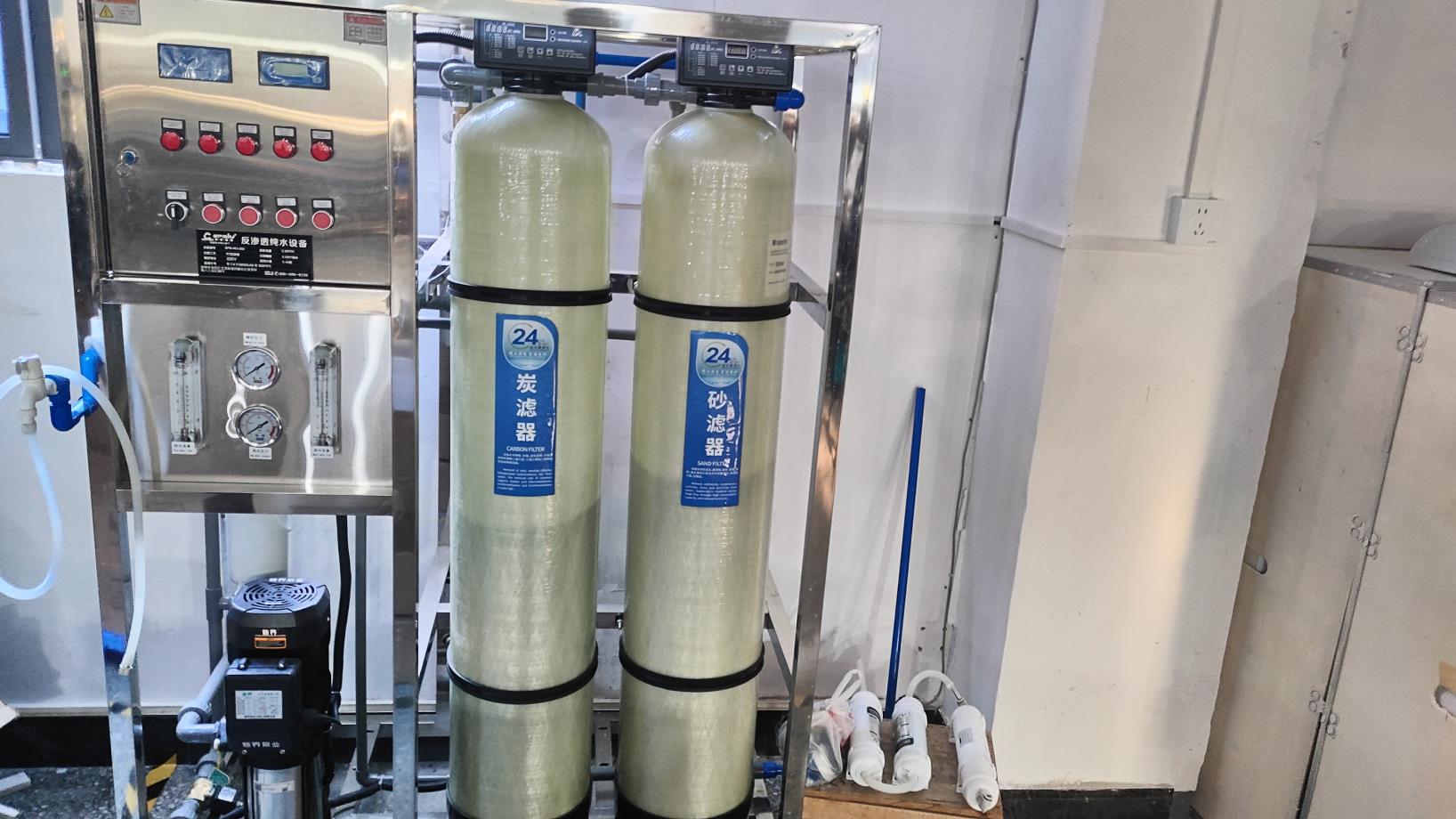
Our manufacturing philosophy balances technological precision with systematic testing. From importing premium components (such as US-grown Nd:YAG rods and UK-designed flash lamps) to utilizing high-purity water filtration devices for internal laser optics cooling, every step is traceably documented.
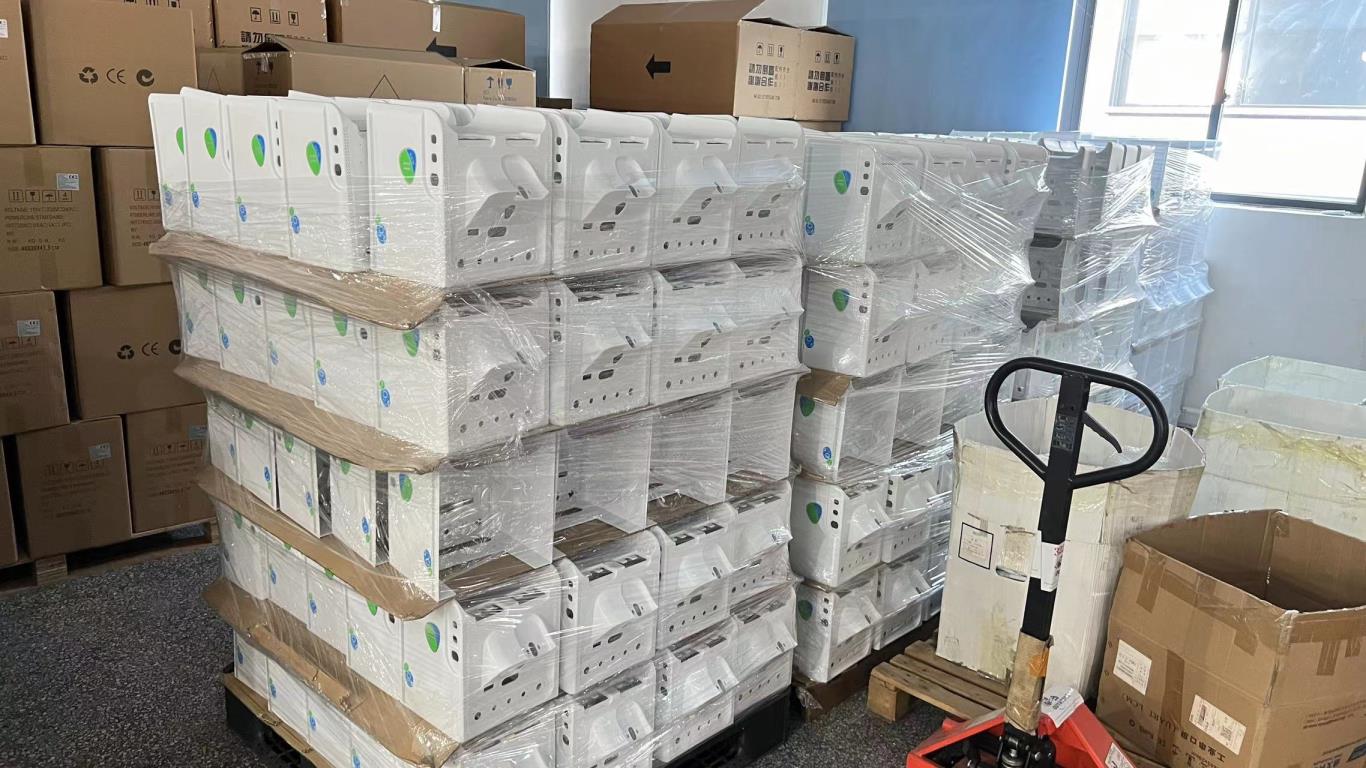
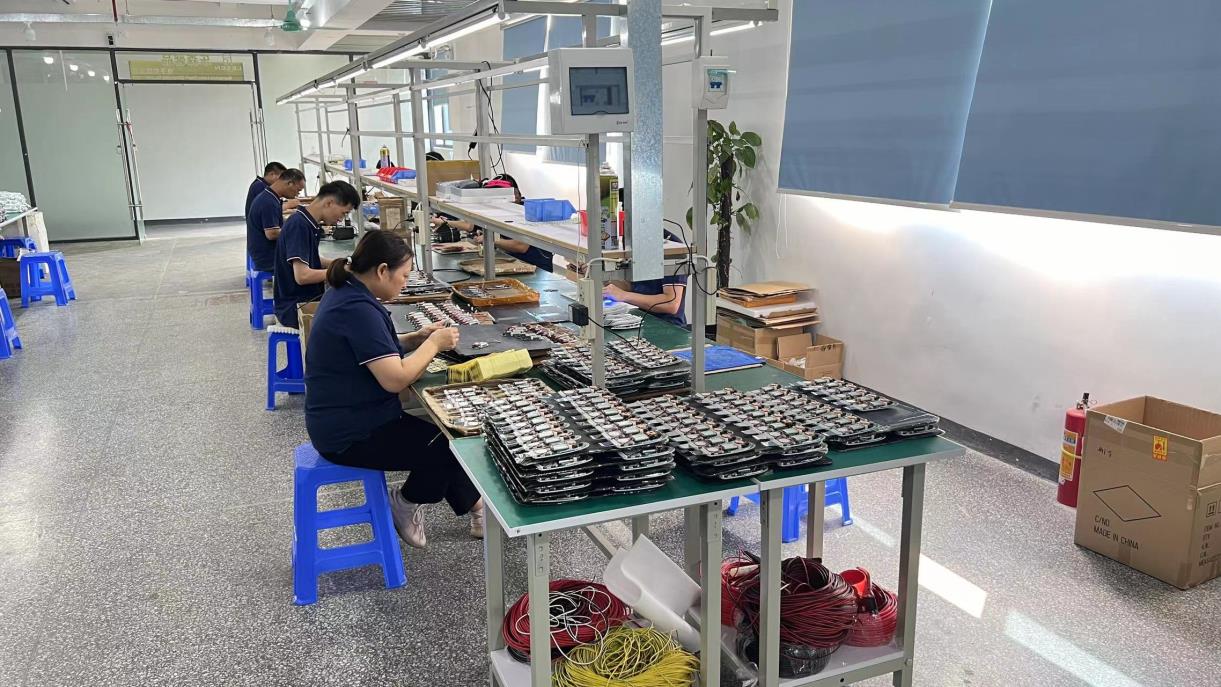
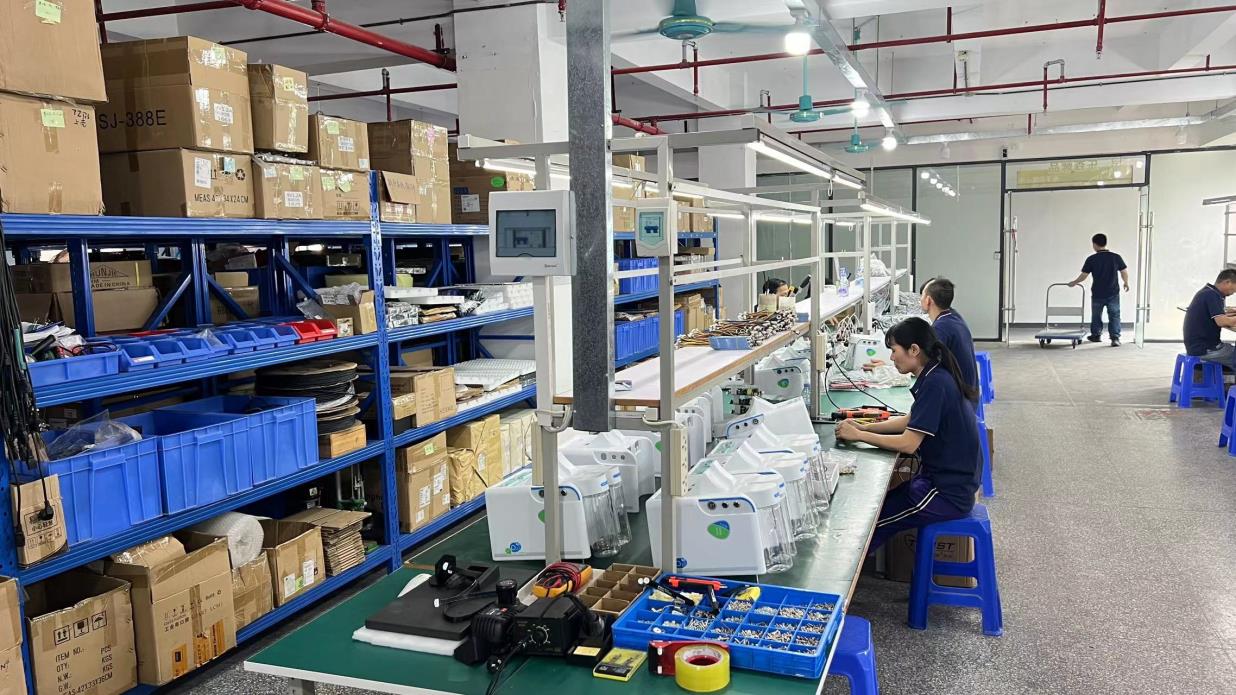
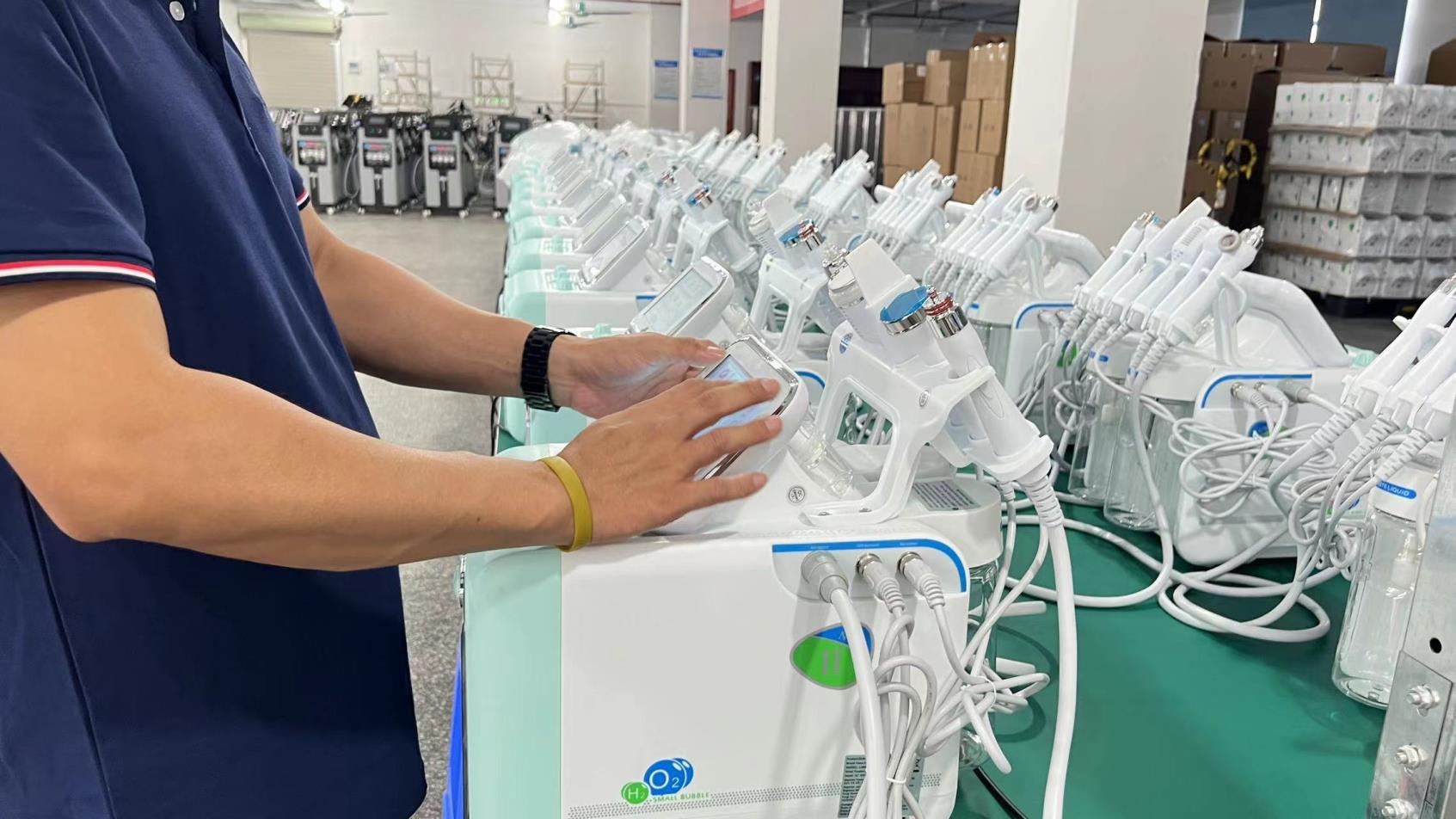
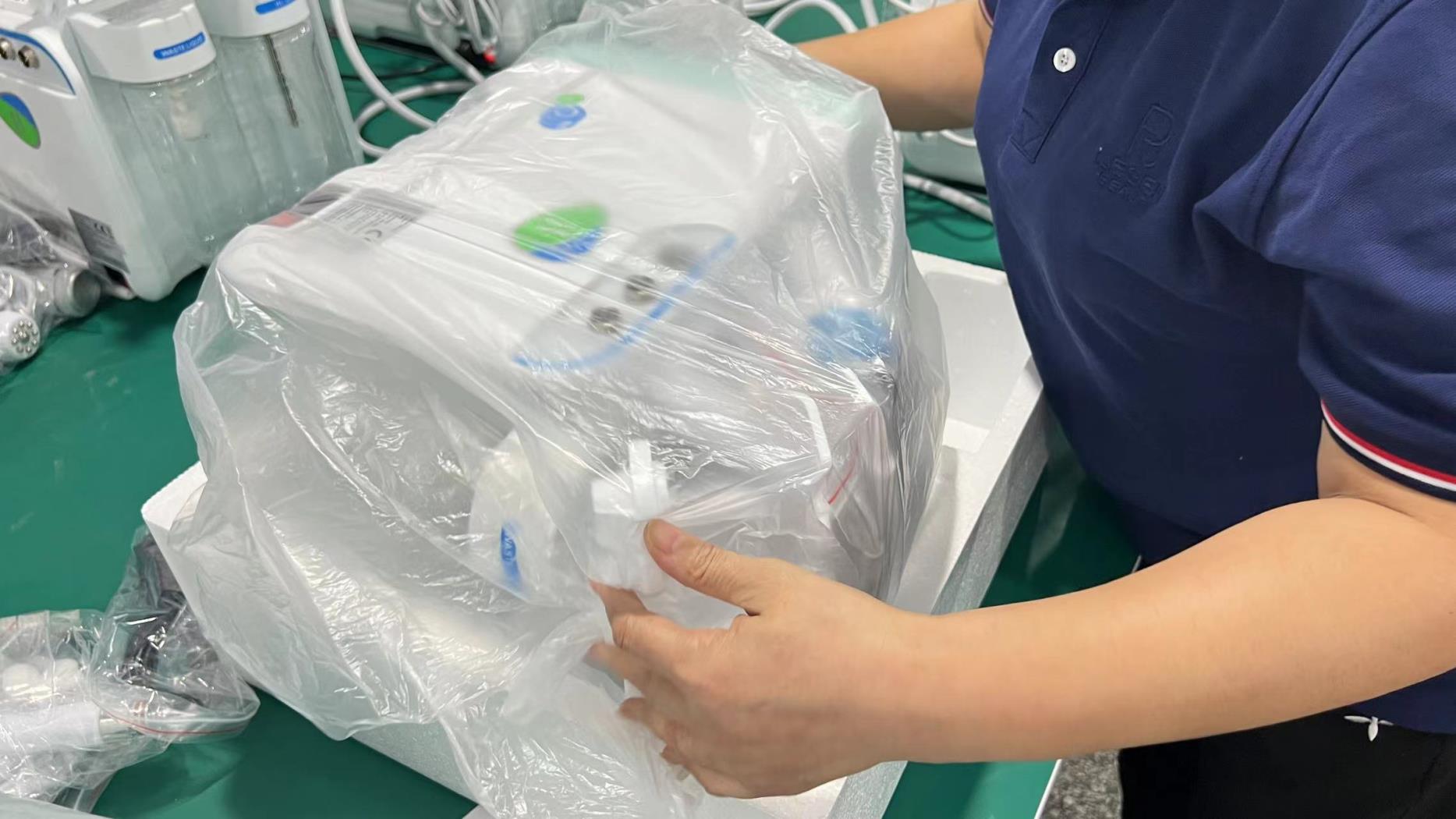
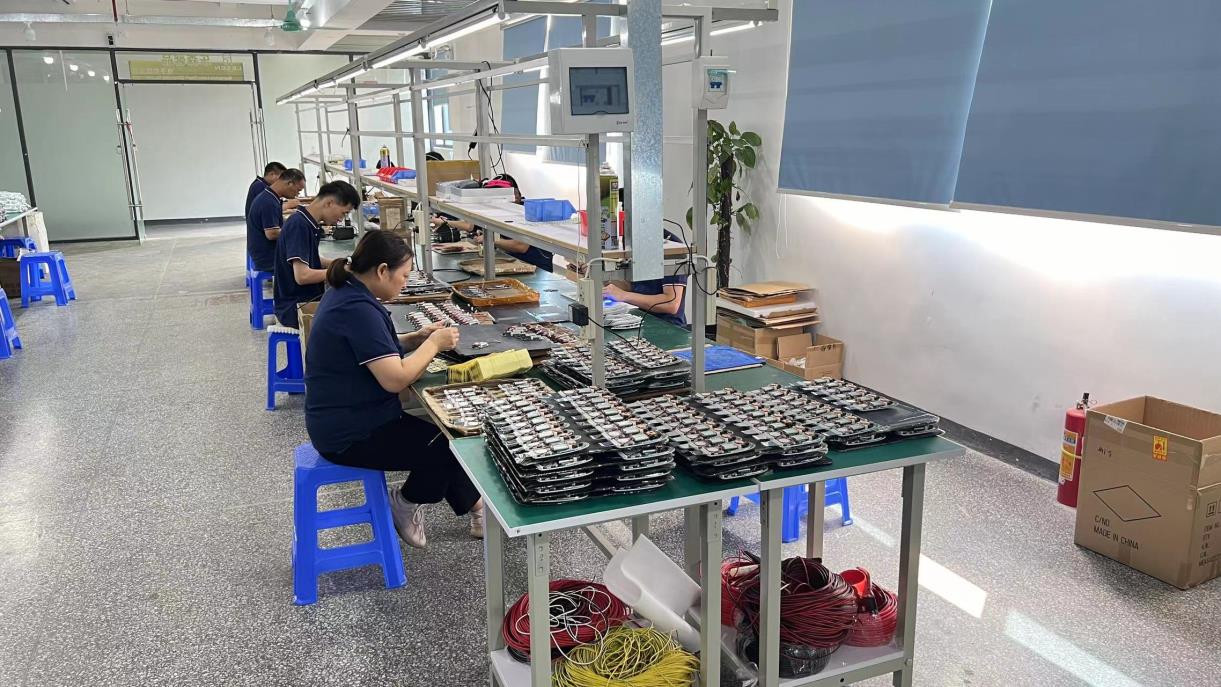
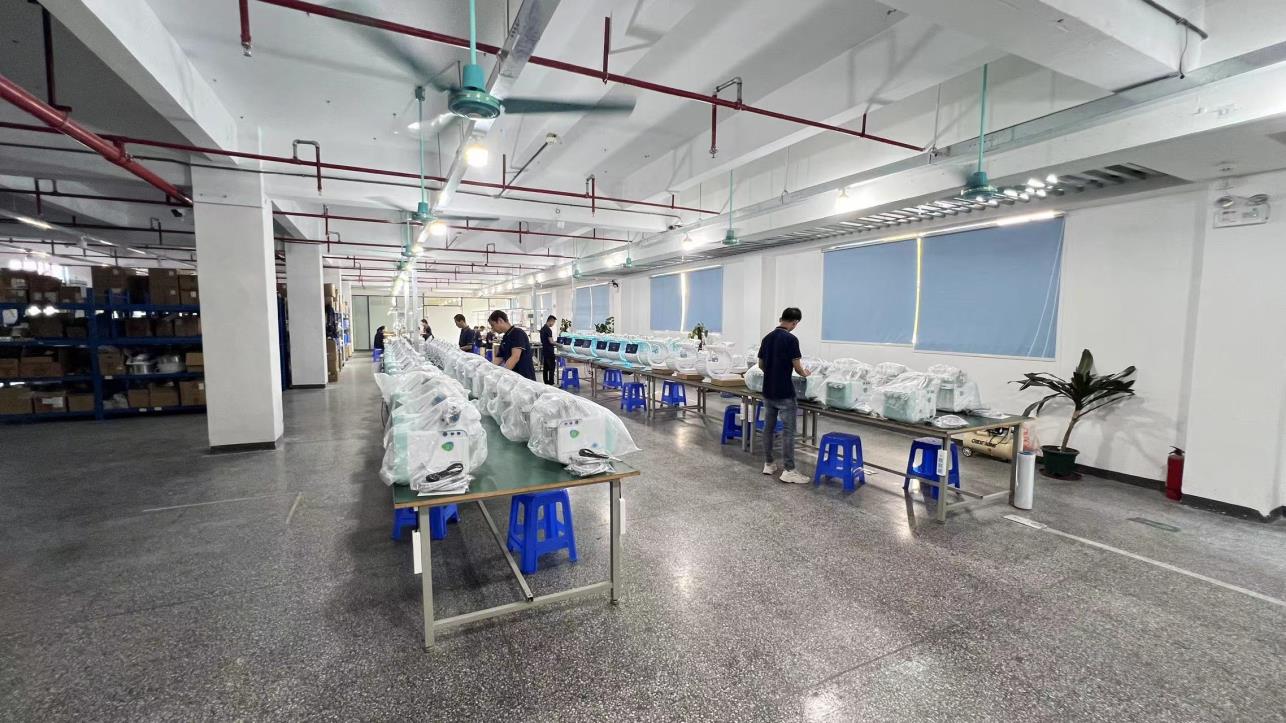
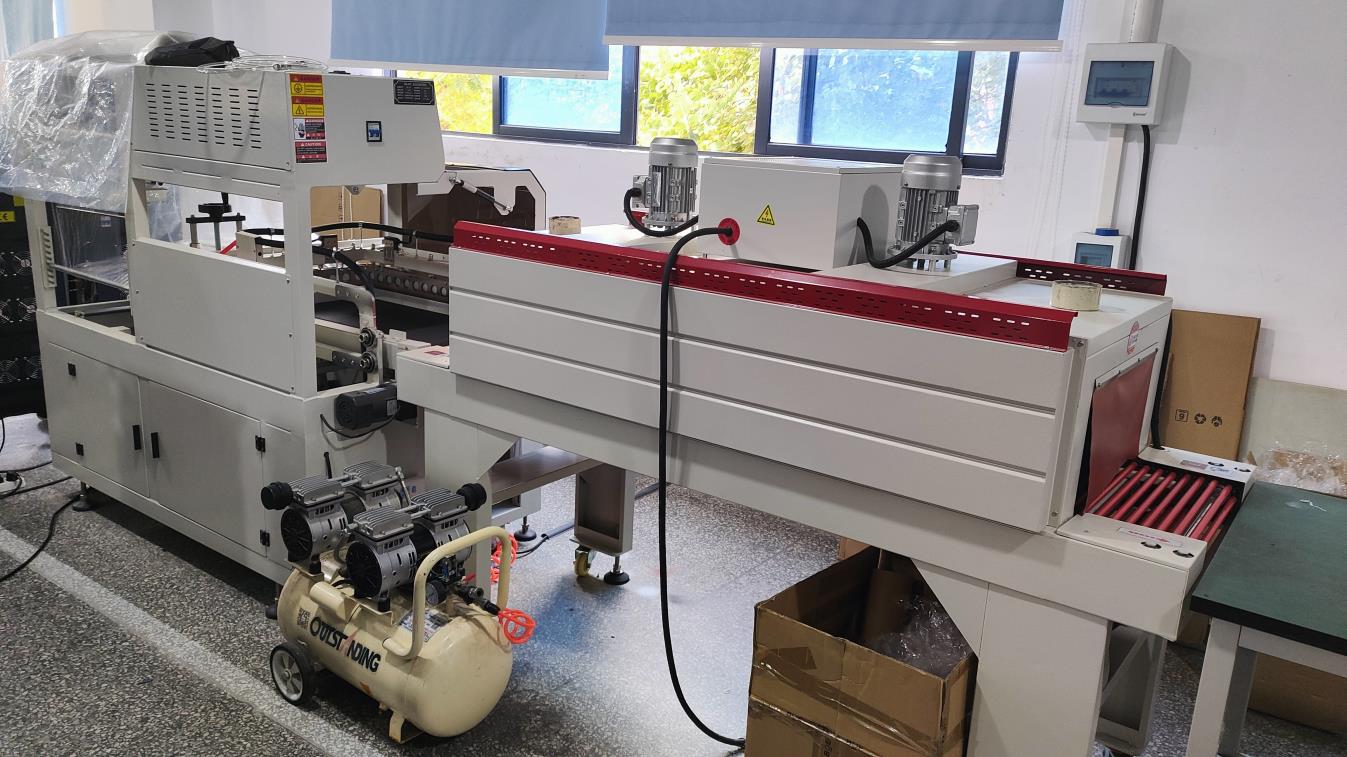
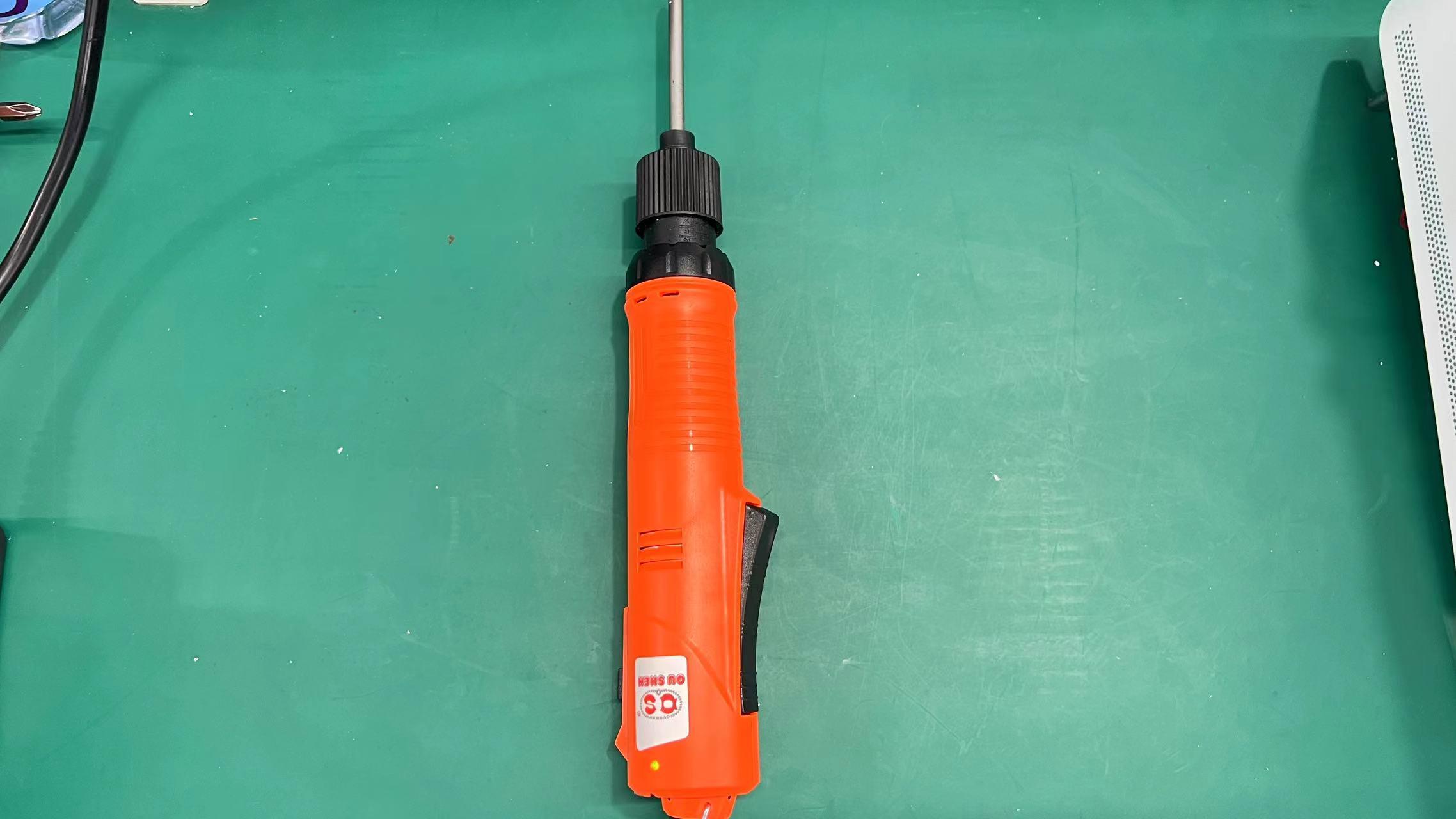
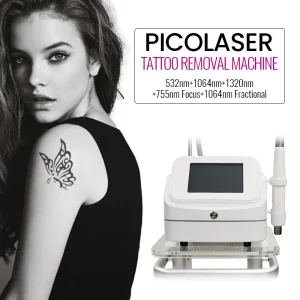
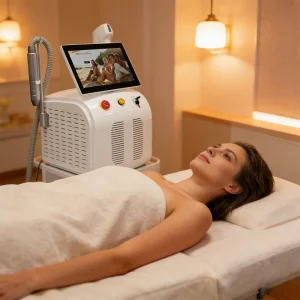
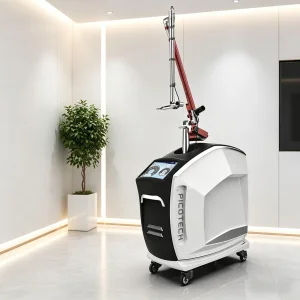
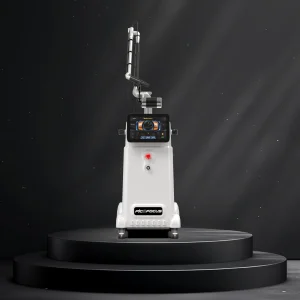
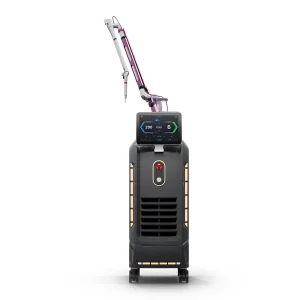
Select from our comprehensive model list to suit various budget scales, clinic sizes, and specialized skin therapy clinics. All devices include direct factory warranty protection and customized casing color configurations.
Buying high-intensity focused lasers from overseas can present challenges in delivery logistics, freight custom clearings, and setup training. Working with a proven manufacturer like Shenzhen Yiki Beauty Co., Ltd. resolves these concerns. Here is our optimized workflow for clients importing into Canada:
Distributors can configure custom chassis designs, color trims, and software boot screens featuring their own branding. We handle electronic system development and appearance design entirely in-house, ensuring robust design exclusivity.
Prior to shipment, every machine undergoes a rigorous aging protocol of over 10,000 laser shots to check laser energy output stabilization, laser rod temperatures, and fluid dynamics. Flow and temperature sensors are systematically calibrated to shut off the machine instantly should water flows fall below 2 L/min, avoiding costly handpiece damage.
We work alongside verified freight forwarders delivering via sea, air, or express (DHL/FedEx). We handle all basic export paperwork, supplying detailed HS Codes (typically 9018.90.90 - medical instruments) to guarantee smooth clearances through the Canada Border Services Agency (CBSA).
Every picosecond platform is backed by our technical engineers. We offer:
Whether your clinics are located in Vancouver, Calgary, Edmonton, Toronto, Ottawa, or Montreal, you can count on Yiki Beauty to offer quick troubleshooting responses, maintaining clinic service levels without disruption.
Gain deeper insight into technical specifications, clinical applications, and commercial requirements for aesthetic laser systems in Canada.
 Yiki Beauty