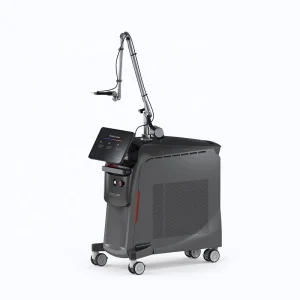
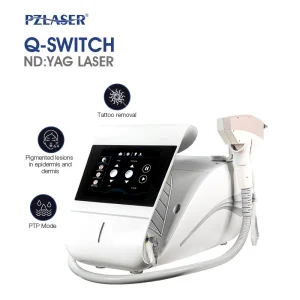
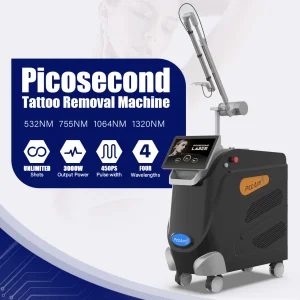
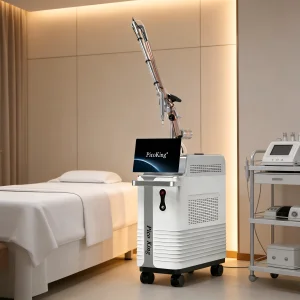
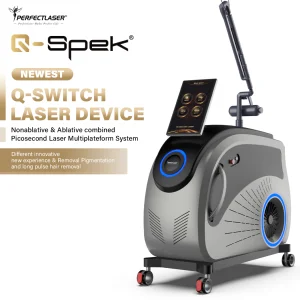
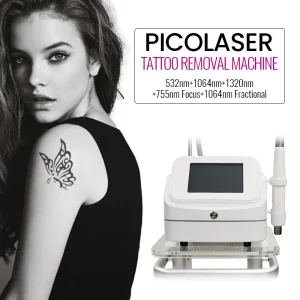
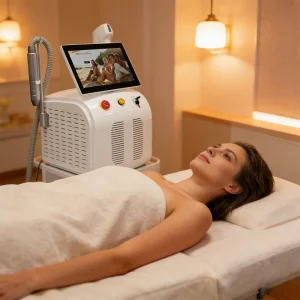
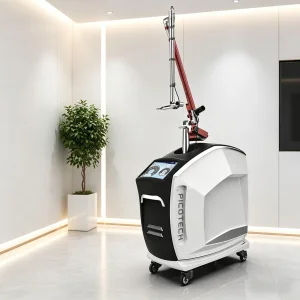
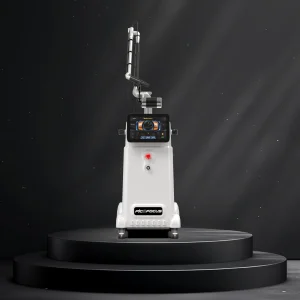
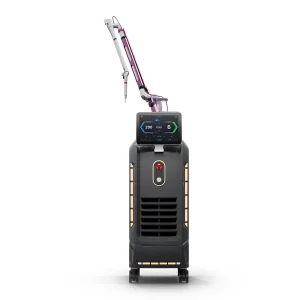
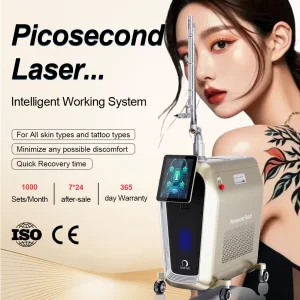
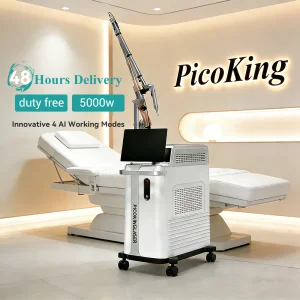
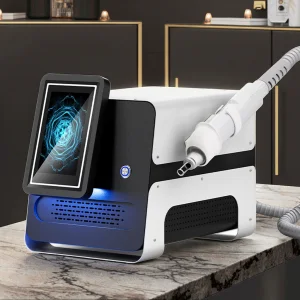
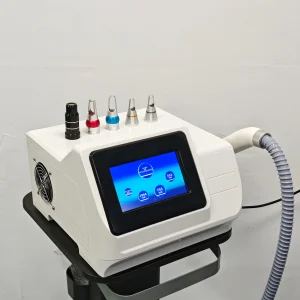
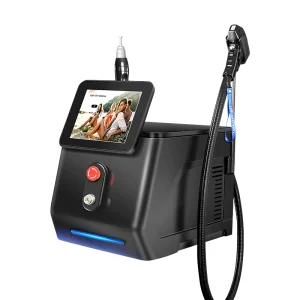
High-energy outputs and precise pulse widths optimized for Fitzpatrick Skin Types III and IV, prevalent in the Vietnamese aesthetic sector.
Vietnam's economic engine, Ho Chi Minh City (HCMC), is witnessing a parallel expansion in the aesthetic medical market. With a young, urban population across districts like District 1, District 3, and Phu Nhuan, cosmetic adjustments and tattoo art are increasingly mainstream. However, alongside the growth of body art has come a skyrocketing demand for safe, scarring-free tattoo removal services. Traditional nanosecond Q-switched lasers are falling out of favor among top Saigon dermatologists because of the increased risk of post-inflammatory hyperpigmentation (PIH) and keloid formation on Fitzpatrick Skin Type IV, which is characteristic of the Vietnamese population.
As a result, high-end medical clinics and beauty salons in Saigon are aggressively upgrading to picosecond laser tattoo removal machines. Driven by the mechanical shockwave (photomechanical effect) rather than intense thermal heating (photothermal effect), picosecond pulse widths crack ink particles into tiny dust-like fragments. This results in significantly faster clearance, fewer treatment sessions, and minimal downtime. Modern cosmetic centers in HCMC now regard picosecond technology not as an premium option, but as a clinical baseline.
YoY growth in laser tattoo removal procedures in Saigon aesthetic clinics.
PIH complication rates reported when using pico-second durations compared to Q-switched Nd:YAG.
Compliance with Vietnam Ministry of Health (MOH) imported medical electronics requirements.
An expert clinical analysis of the photo-acoustic disruption of modern tattoo ink pigments.
By delivering energy in trillionths of a second (350ps to 750ps), the laser energy is converted into structural acoustic waves. The thermal confinement limit is respected, shattered pigments are cleared by macrophages, and adjacent epidermis is untouched.
Different tattoo inks require precise target wavelengths. Our machines support 1064nm (for black and dark blue inks), 532nm (for red and warm shades), 755nm (the premium Alexandrite spectrum for green/blue), and 1320nm for cellular carbon peeling.
Fitzpatrick skin type IV contains high basal epidermal melanin. Standard nanosecond heat transfer cooks local proteins, leading to post-laser hyperpigmentation or hypopigmentation. True picosecond pulse durations completely bypass this thermal threshold.
| Technology Feature | Traditional Q-Switched Laser | Advanced Yiki Beauty Picosecond Laser | Clinical Outcome (HCMC Patient) |
|---|---|---|---|
| Pulse Duration | 5 - 20 Nanoseconds | 350 - 450 Picoseconds | No heat buildup, 50% fewer sessions |
| Dominant Mechanism | Photothermal (Heat generation) | Photomechanical (Acoustic shockwaves) | Shatters ink into micro-fine dust, fast excretion |
| Skin Complication Risks | High PIH risk, blistering, scars | Minimal risk of pigment deviations | Safe for local sun-exposed, tanned skin |
Versatile combinations for aesthetic businesses seeking maximum return on investment in Saigon, Thu Duc, and neighboring provinces.
Global High-End Aesthetic Equipment Research & Manufacture Base
Shenzhen Yiki Beauty Co., Ltd. is a professional enterprise integrating R&D, design, manufacturing, and global sales of advanced aesthetic and beauty equipment. The company is built by a team of experienced technical engineers and product designers, with fully in-house capabilities ranging from industrial appearance design and electronic system development to assembly, testing, and packaging.
Yiki Beauty is committed to providing a true one-stop solution for global customers, helping partners reduce complexity in product development, production, and branding. By combining innovative engineering with practical clinical and salon applications, the company continuously delivers safe, effective, and market-oriented beauty devices.
With a strong focus on quality control and technological innovation, Shenzhen Yiki Beauty Co., Ltd. supports OEM and ODM services, as well as private label branding. The company adheres to strict international quality standards and strives to build long-term partnerships with distributors, clinics, salons, and beauty chains worldwide.
Our product portfolio covers a wide range of advanced aesthetic technologies, including: HI-EMT body contouring machines, laser hair removal systems, Vela body shaping devices, shockwave therapy machines, TECAR therapy equipment, air pressure lymphatic drainage systems, 4D HIFU ultrasound machines, tattoo removal lasers, hydra dermabrasion systems, plasma pens, and various home-use beauty devices.
Shenzhen Yiki Beauty Co., Ltd. exports to more than 15 major markets, including the United States, Germany, Australia, Canada, Italy, France, the United Kingdom, Spain, Russia, the Netherlands, Switzerland, Ukraine, Poland, Turkey, and Belgium, while continuously expanding its global footprint in emerging markets like Vietnam.
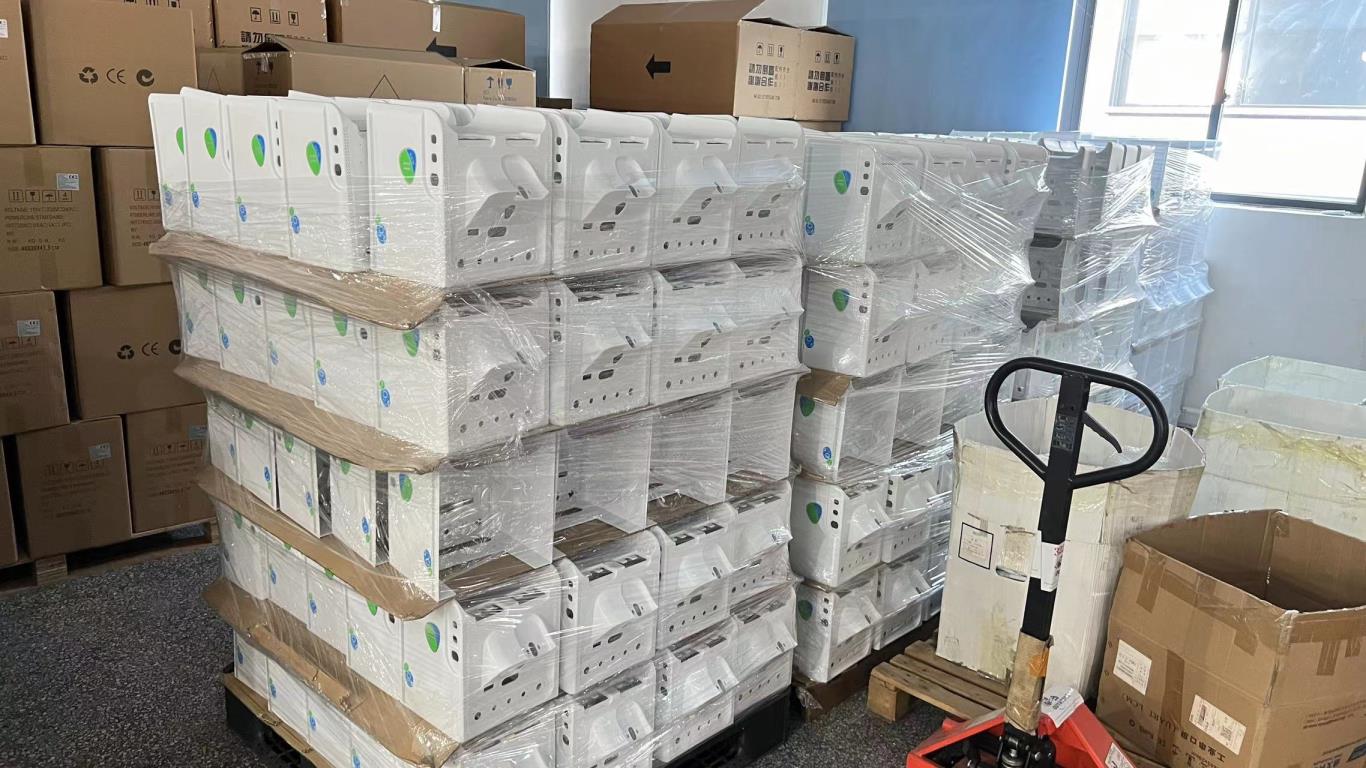
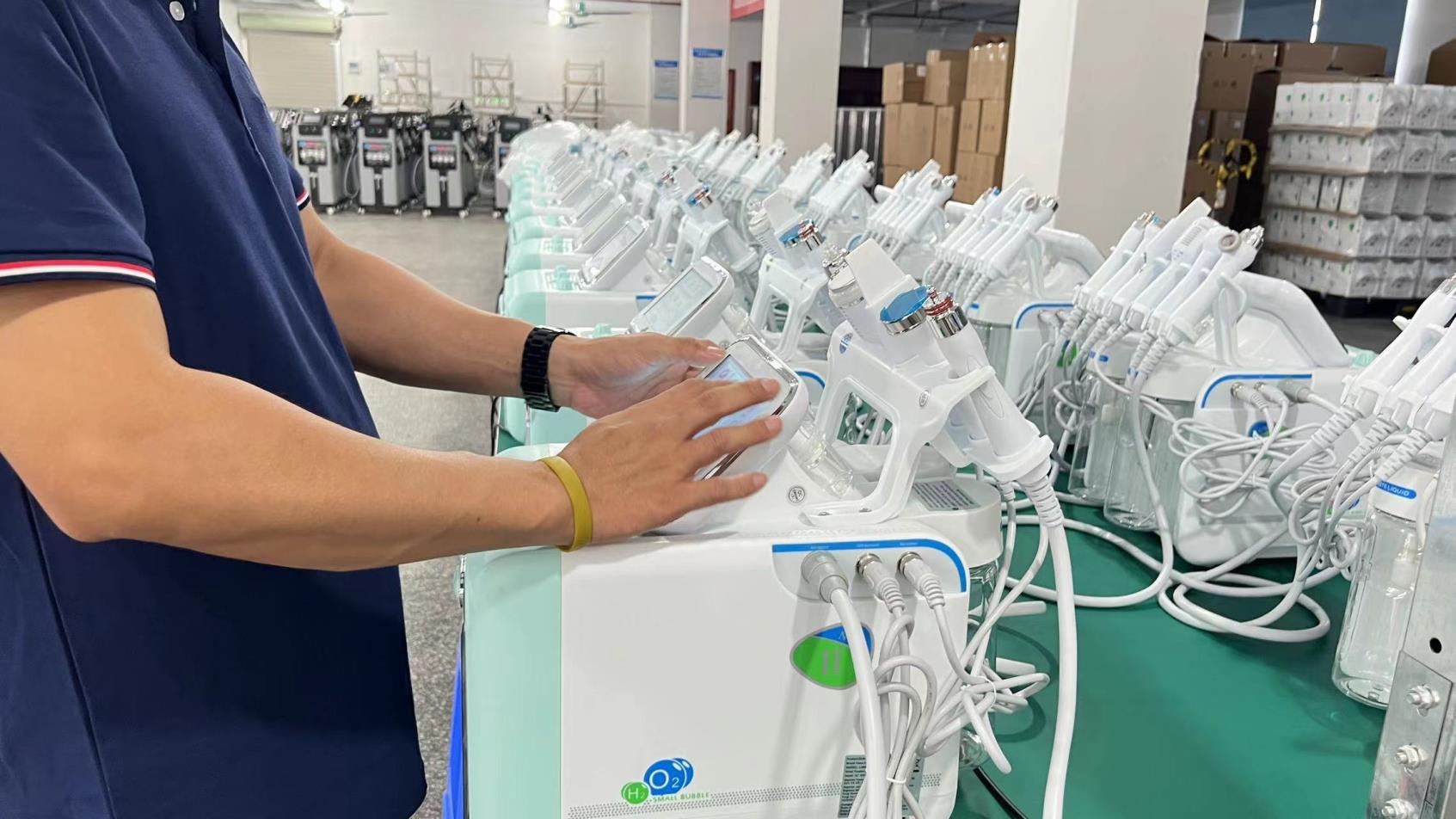
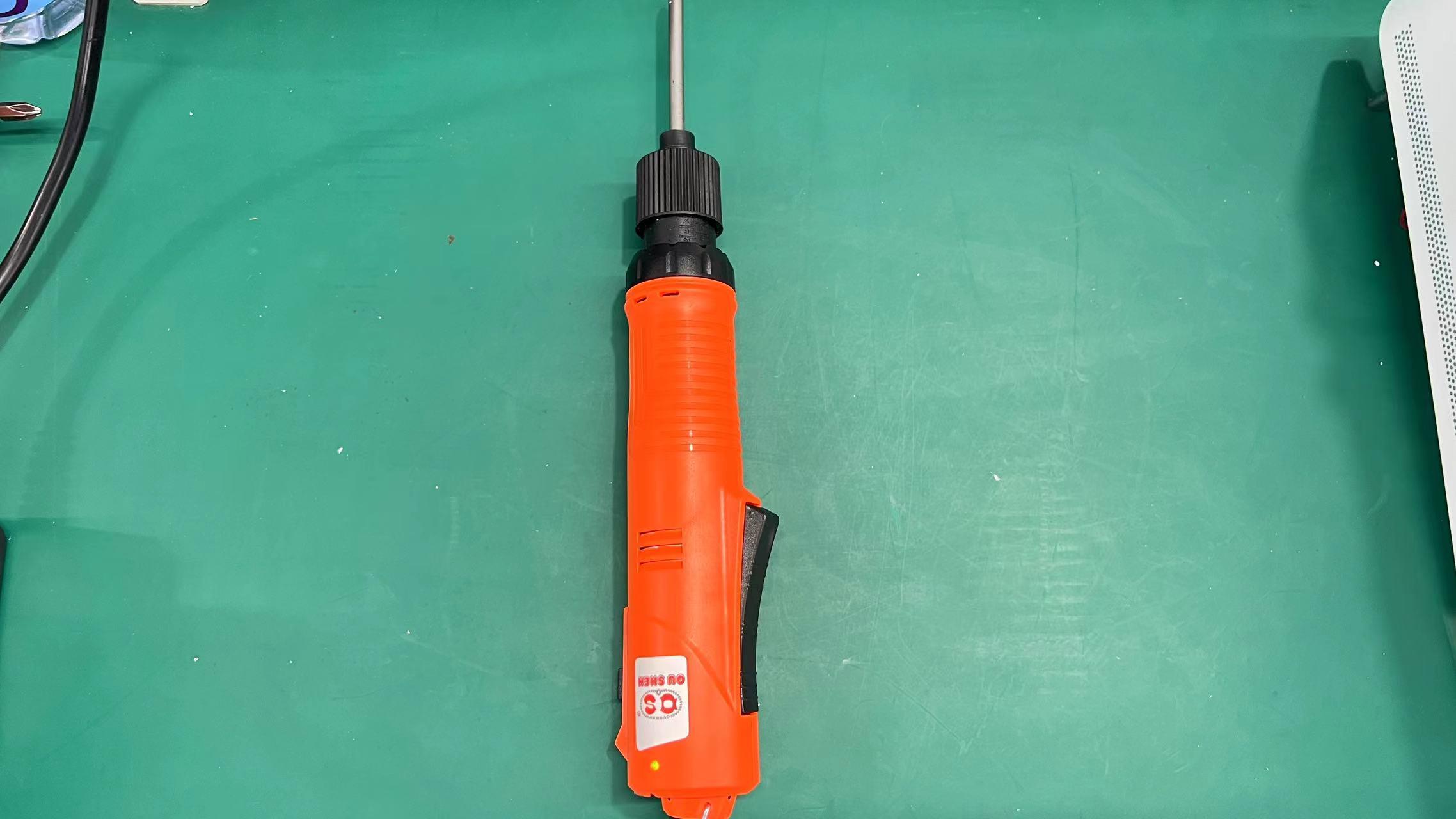
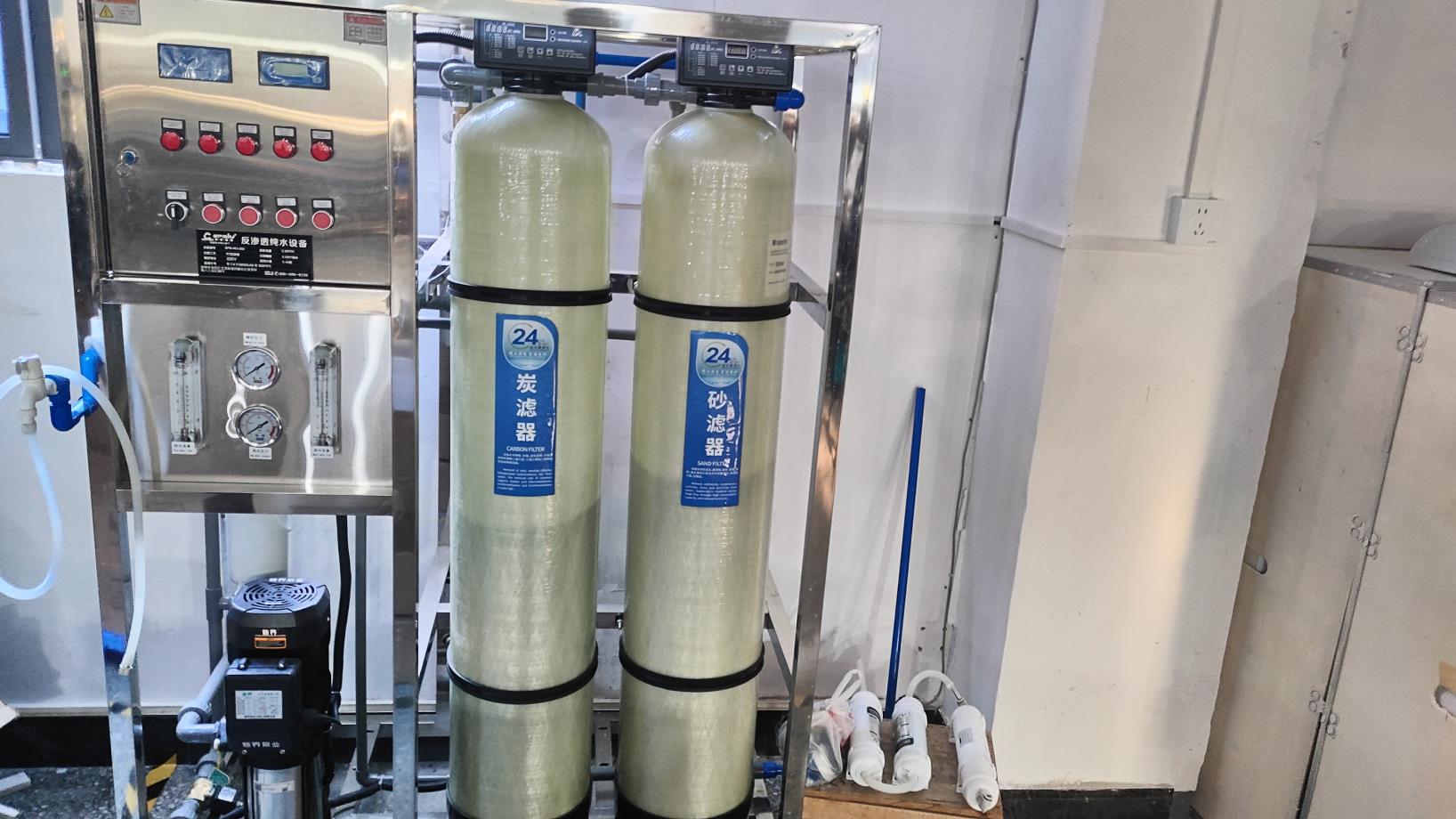
Every picosecond laser undergoes rigorous functional validation, optical calibration, and water filtration tests to ensure maximum lifespan under continuous loads.
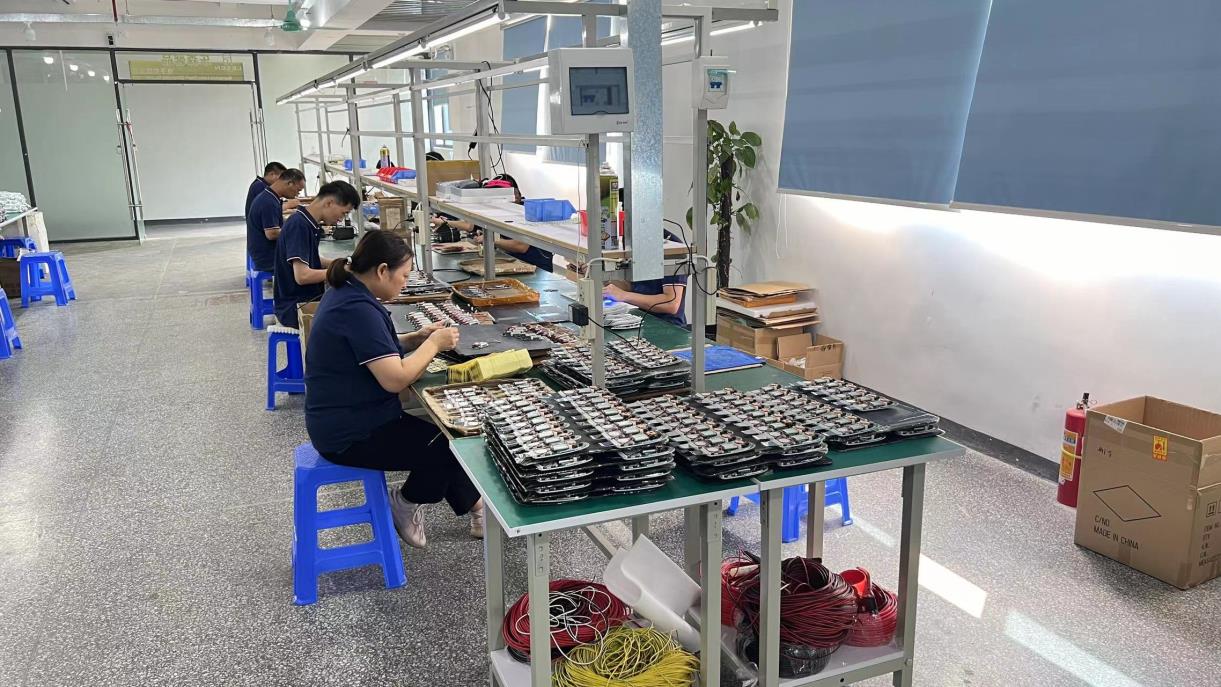
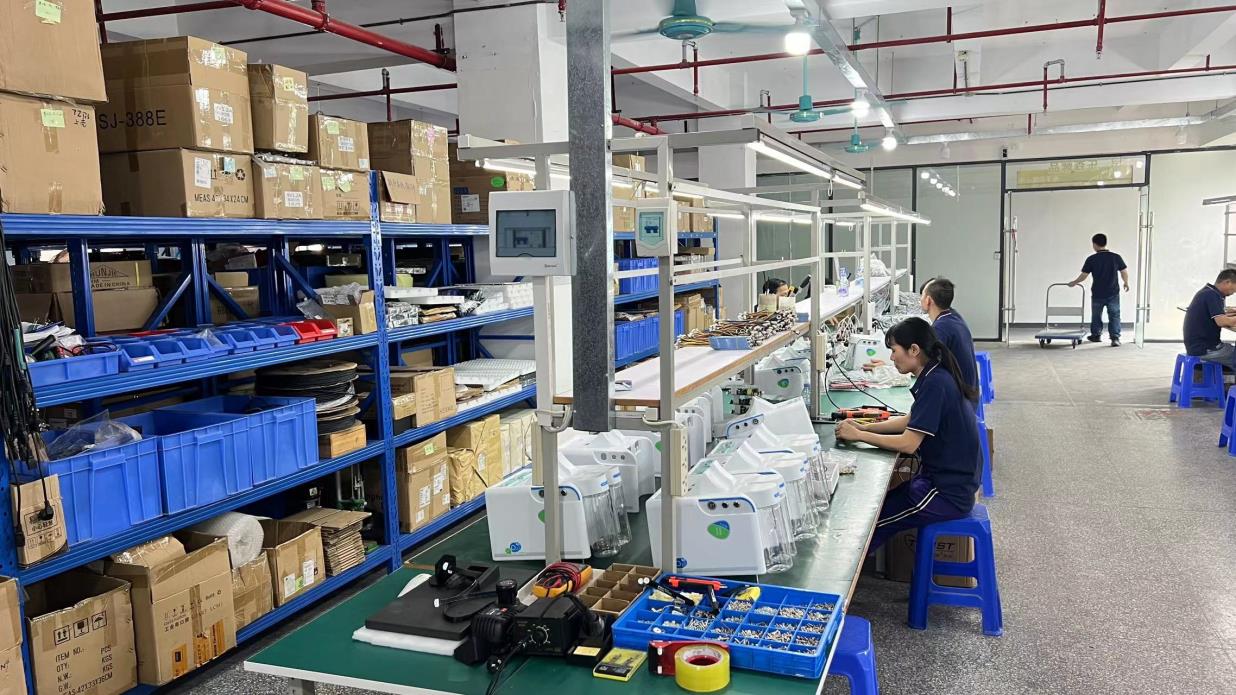
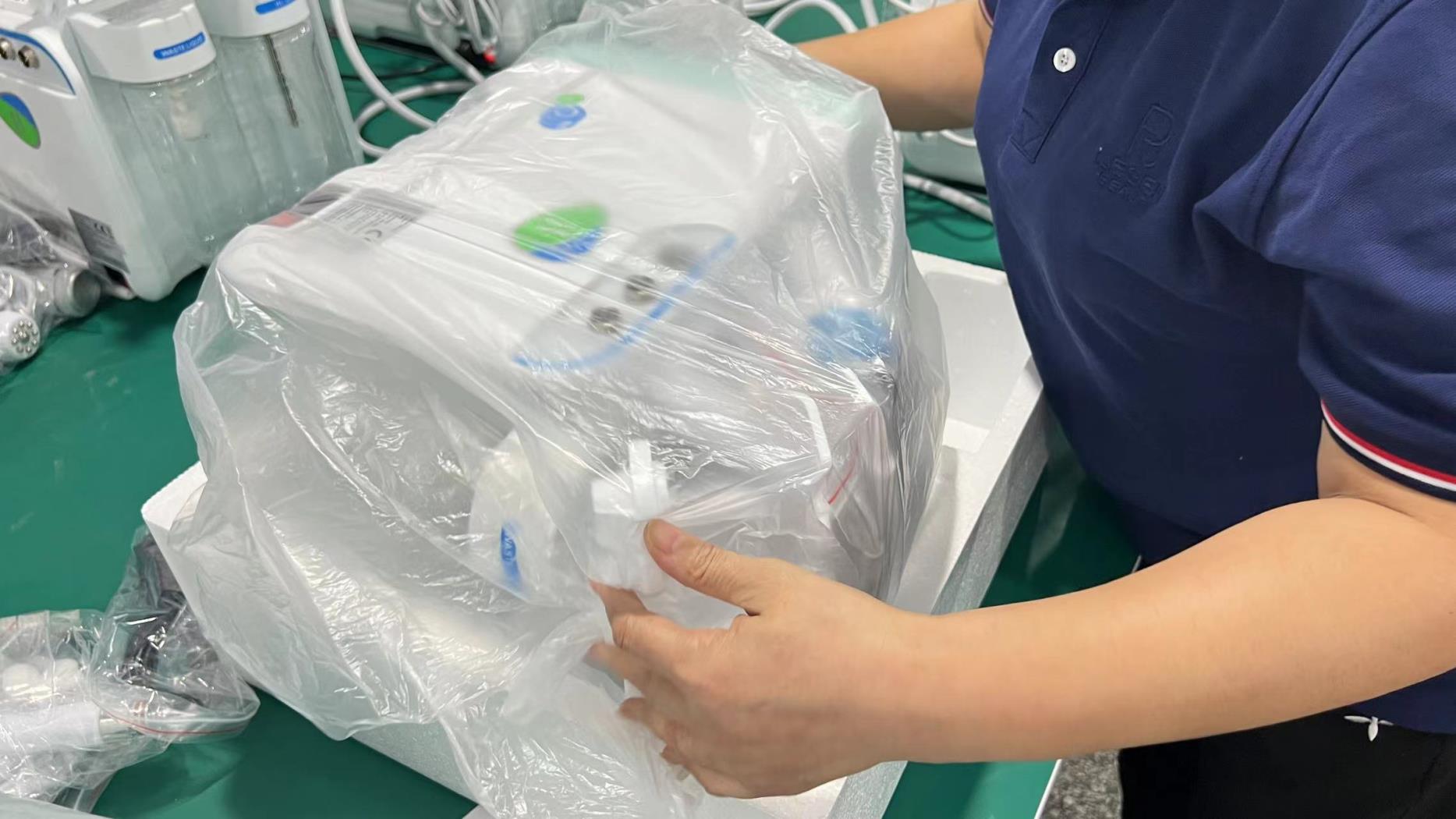
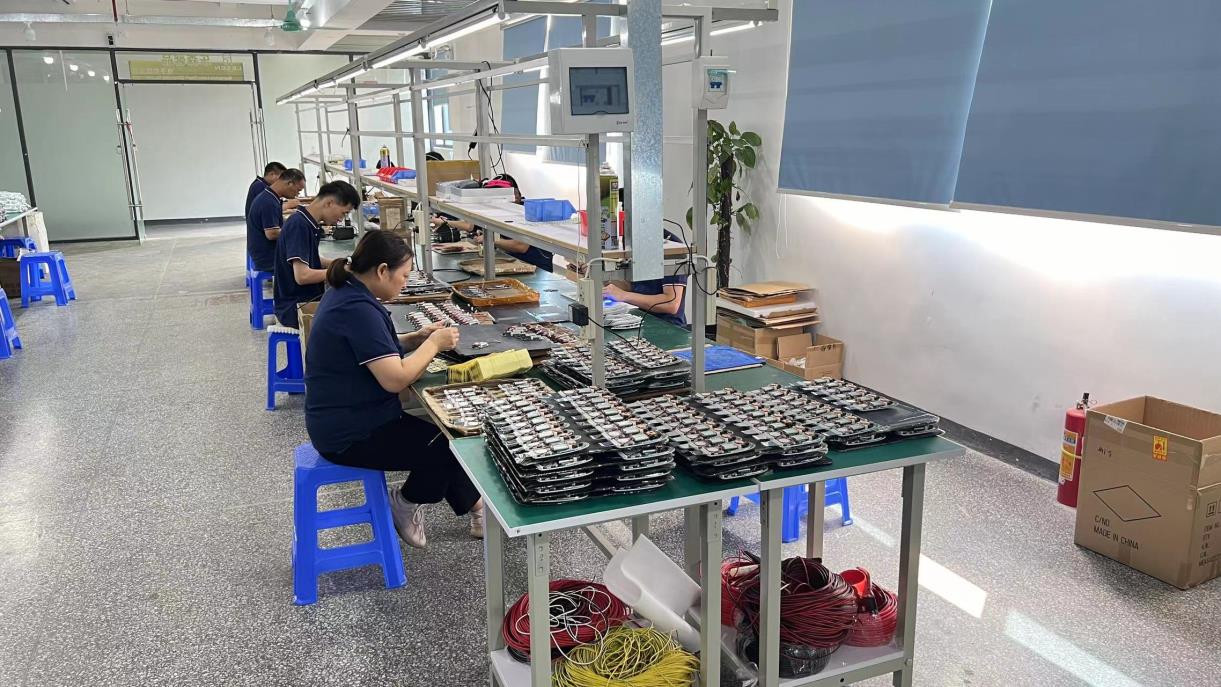
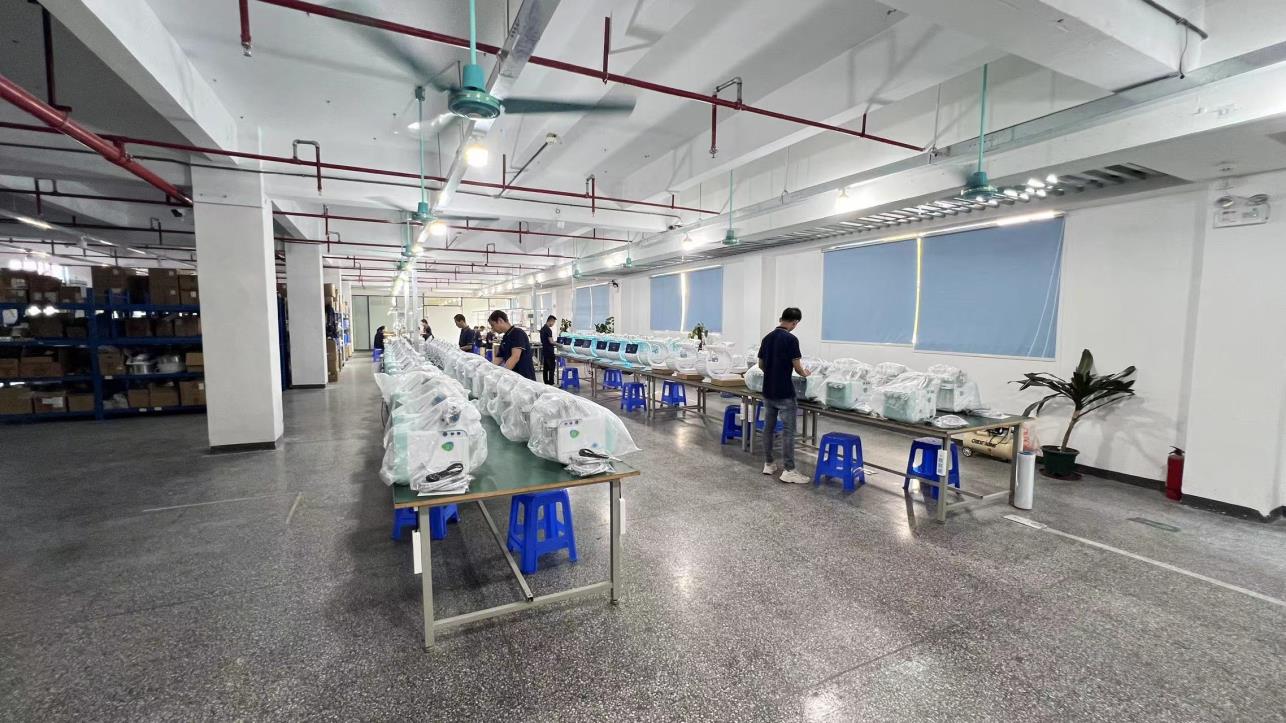
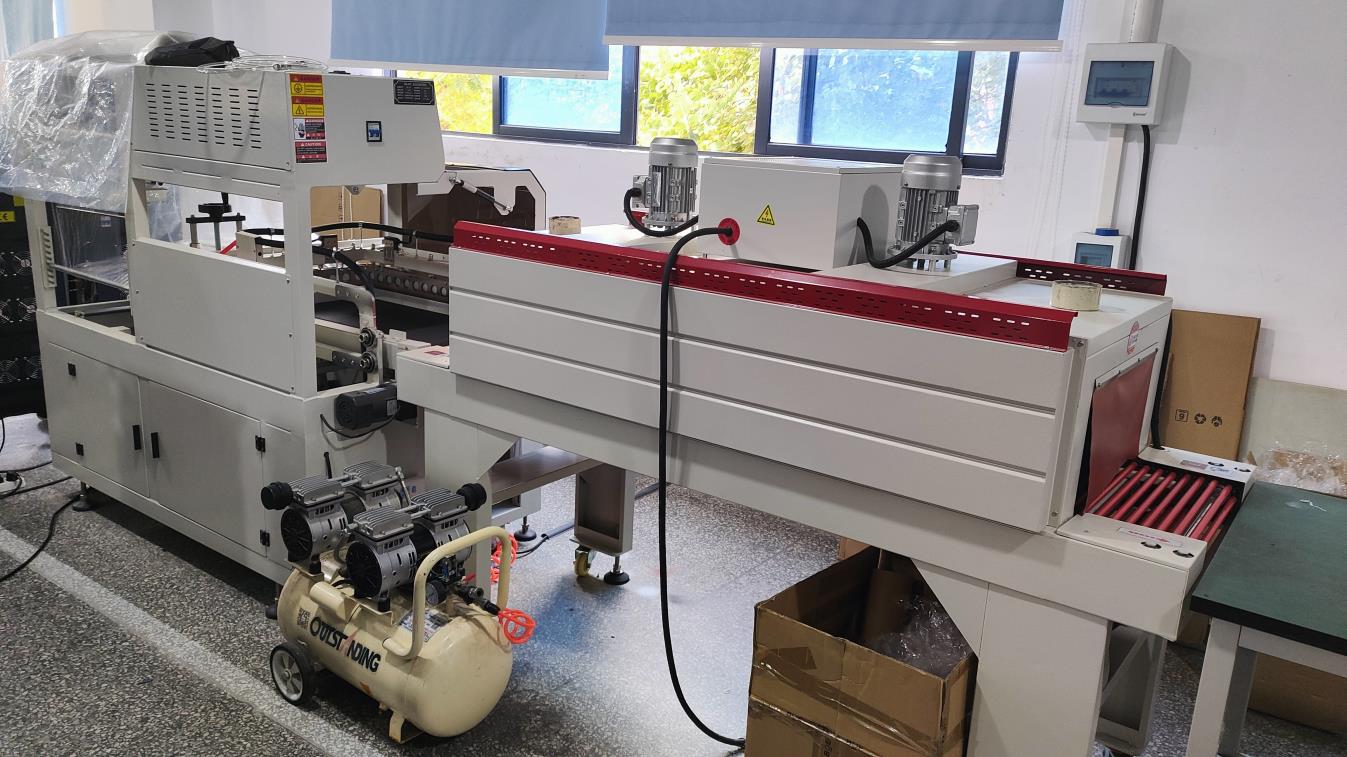
As a professional aesthetic manufacturer situated in Shenzhen, the silicon valley of hardware, Yiki Beauty leverages an unmatched local component ecosystem. From optical-grade laser rods and solid-state cavities to advanced power modules and customized control software, our raw supply network allows us to offer 30-40% lower costs compared to Western or Korean suppliers, while maintaining equivalent therapeutic results.
For distributors and clinic chains in Ho Chi Minh City, our geographical location provides major cost advantages. Shipping via sea freight from Shenzhen to Cat Lai Port (HCMC) takes just 5 to 7 days, minimizing inventory capital locking. Furthermore, we maintain a dedicated customs team experienced with the licensing requirements of the Vietnam Ministry of Health (MOH), expediting importation clearance processes.
We offer customizable Vietnamese GUI languages, pre-programmed standard treatment protocols for local skin types, comprehensive video tutorials, and technical files ready for MOH registration.
Custom casing colors, private brand logo integrations, custom software layouts, and spot size configurations to fit your brand.
Every picosecond laser undergoes 48 hours of continuous firing, high-voltage test sequences, water flow safety verification, and shockproof transit tests.
We supply replacement flashlamps, protective eyewear, optical lenses, and laser handpieces directly from stock with fast air shipping.
Select the optimal system configurations for your target client profile, power levels, and cosmetic treatments.
Everything you need to know about purchasing, importing, and operating professional picosecond laser systems in Vietnam.
Import duties on medical/aesthetic devices imported into Vietnam under HS code 9018.90 range from 0% to 5%, depending on the current trade status and certificates of origin (such as Form E, which we supply to provide preferential tariff rates). Shipping from Shenzhen to Cat Lai Port (Ho Chi Minh City) typically takes 5 to 7 days via sea, while air transport via DHL or FedEx takes 2 to 4 days directly to your clinic or warehouse.
Yes. All our machinery is manufactured under ISO 13485 quality management guidelines and carries CE certification. To support your local registration process with the Department of Medical Equipment and Construction under the Vietnam Ministry of Health (MOH), Yiki Beauty provides detailed manufacturing declarations, technical data sheets, and electric safety test records.
The premium gold-plated cavity laser bars utilized in our premium arm machines are rated for up to 10,000,000 to 20,000,000 shots depending on pump style. Basic maintenance requires using deionized or distilled water in the cooling loop, which must be drained and refilled every 30 days to prevent calcification in the high-voltage cavity. We provide full replacement modules and video guides to train local technicians.
Korean-imported optical articulated arms utilize premium internal mirrors that ensure minimal light attenuation, meaning the energy dialed on the interface is the exact energy delivered to the patient's skin. Handpieces with internal cavity structures can become heavy and unstable during extended treatments. The articulated arm keeps the heavy laser rod inside the main body, allowing the operator to work with zero wrist strain and maximum focus.
 Yiki Beauty