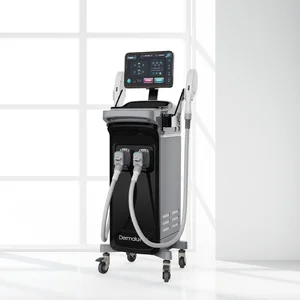
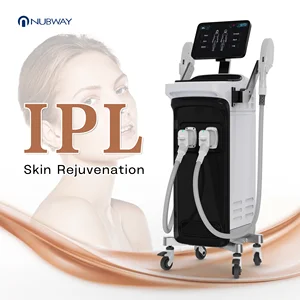
Our primary, high-performance optical systems optimized for East African clinical practices, featuring real-time pulse security control and specialized skin tone filters.
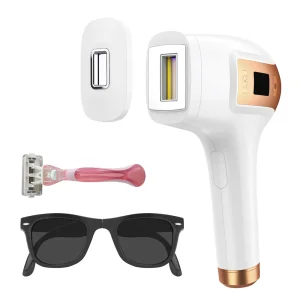
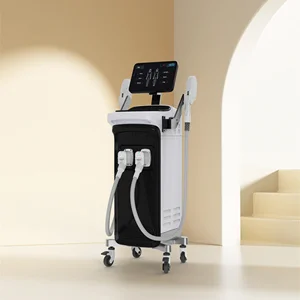
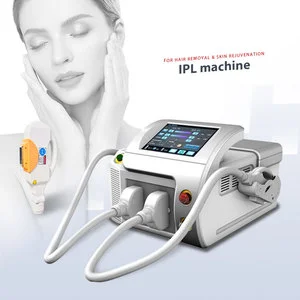
The Federal Democratic Republic of Ethiopia, hosting one of Africa's fastest-growing economies and a population exceeding 120 million, is witnessing a massive transition in urban healthcare and cosmetic industries. In major municipal areas like Addis Ababa, Adama, Hawassa, and Dire Dawa, the demand for non-invasive cosmetic procedures—particularly skin rejuvenation, pigmentation therapy, and hair removal—is rising rapidly. This development is fueled by the expansion of luxury hospitality, international diplomatic communities, and a growing domestic middle class with increasing disposable income.
Historically, the Ethiopian beauty market relied on topical cosmetic formulations. Today, modern clinical centers and wellness salons are rapidly shifting to light-based aesthetic technologies. Intense Pulsed Light (IPL) systems represent a key technology for this transition. These devices provide a cost-effective, versatile, and non-surgical option for various skin treatments. Importers and clinical operators in Ethiopia, however, face complex logistical hurdles, import regulations, and unique skin safety requirements. Understanding these challenges is essential for establishing a reliable supply chain of medical-grade IPL equipment.
One of the most important considerations when using IPL (Intense Pulsed Light) and DPL (Dynamic Pulsed Light) systems in East Africa is the dominance of Fitzpatrick Skin Phototypes IV, V, and VI. Melanin acts as the primary chromophore for hair removal. However, in darker skin types, the surrounding epidermal melanin competes with the hair shaft for light absorption. Traditional, low-quality IPL devices with unregulated energy spikes can easily cause epidermal burns, blisters, and long-term Post-Inflammatory Hyperpigmentation (PIH).
As a leading aesthetic equipment manufacturer, Shenzhen Yiki Beauty Co., Ltd. resolves these challenges through advanced engineering solutions:
Standard IPL systems often deliver energy in a decaying curve. This creates an initial peak of energy that can damage the epidermis, followed by sub-therapeutic energy delivery. Our OPT systems deliver a controlled "flat-top" pulse. This ensures energy remains constant across the entire pulse width, providing consistent therapeutic delivery while protecting the skin's surface.
Shorter wavelengths (under 590nm) carry higher risks of absorption by epidermal melanin. For safe procedures on darker skin, we utilize professional handpieces with precise cut-off filters starting at 640nm, 690nm, and up to 755nm. This redirects thermal energy to deeper follicular targets while preserving superficial epidermal tissues.
Protecting the skin barrier requires continuous, active cooling. Our handpieces feature built-in thermoelectric (TEC) cooling coupled with a high-transmittance sapphire crystal window. This system maintains a stable contact temperature of 0°C to -4°C during emission. This numbs the target area, minimizes discomfort, and prevents thermal damage to the skin.
Shenzhen Yiki Beauty Co., Ltd. is a comprehensive industrial manufacturer specializing in R&D, design, assembly, and global delivery of advanced aesthetic platforms. We provide customized configurations for the Ethiopian market to address local environmental conditions and grid infrastructure. These include tailored power supply specifications, dust-filtered chassis designs, and multi-language user interfaces.
We source high-grade components to guarantee reliable medical-grade equipment. Our xenon lamps are imported from the UK (Heraeus Noblelight) to ensure a long lifespan of up to 1,000,000 flashes. The optical quartz rods within the handpieces are designed for maximum transmission efficiency and minimal scattering.
We help distributors and clinic groups in Addis Ababa build their own brand value. Through our OEM/ODM services, clients can customize chassis colors, display screens, and control interfaces. We also support the integration of dual technologies, such as combining IPL with Radio Frequency (RF) or Nd:YAG laser modules within a single system.
Shenzhen Yiki Beauty Co., Ltd. is a professional enterprise integrating R&D, design, manufacturing, and global sales of advanced aesthetic and beauty equipment. Built by a team of experienced technical engineers and product designers, the company manages all product development in-house, from industrial design and electronic systems to final assembly, testing, and packaging.
Yiki Beauty provides direct solutions for partners worldwide, simplifying the product development, production, and branding process. By combining innovative engineering with clinical and salon requirements, the company delivers safe, effective, and market-oriented beauty devices.
Our global footprint spans more than 15 major markets, including the United States, Germany, Australia, Canada, Italy, France, the United Kingdom, Spain, Russia, the Netherlands, Switzerland, Ukraine, Poland, Turkey, and Belgium. We are committed to expanding our support for aesthetic clinics and distribution partners in emerging East African markets like Ethiopia.
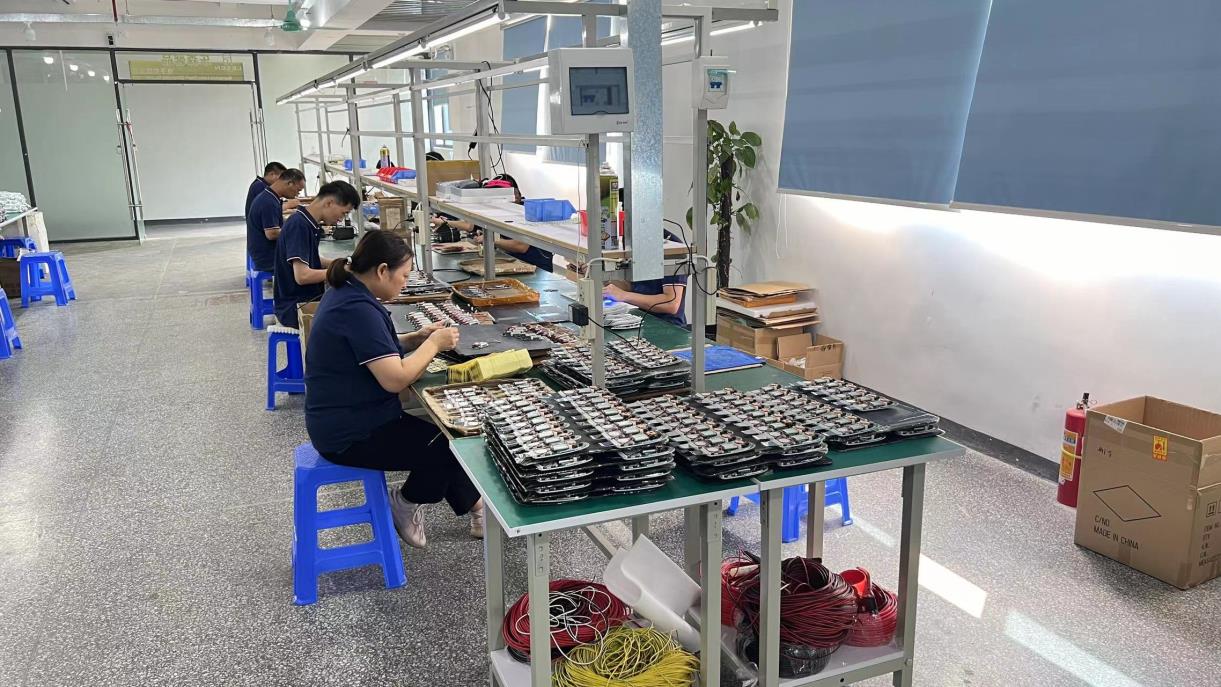
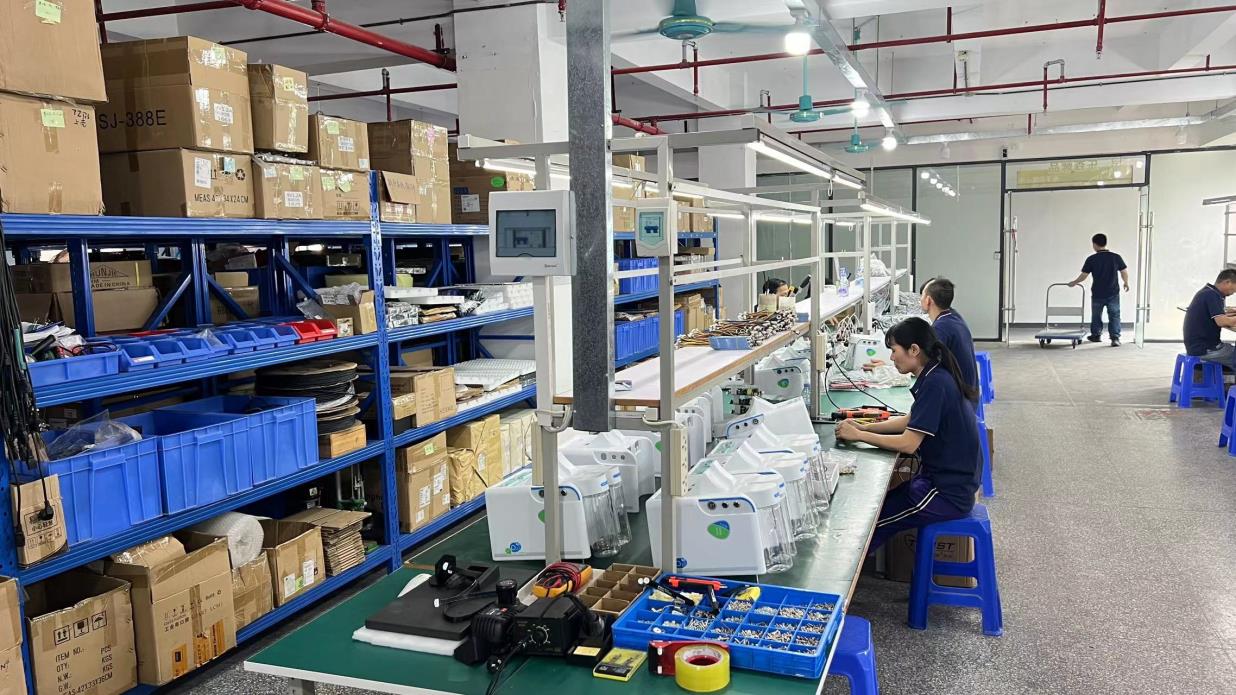
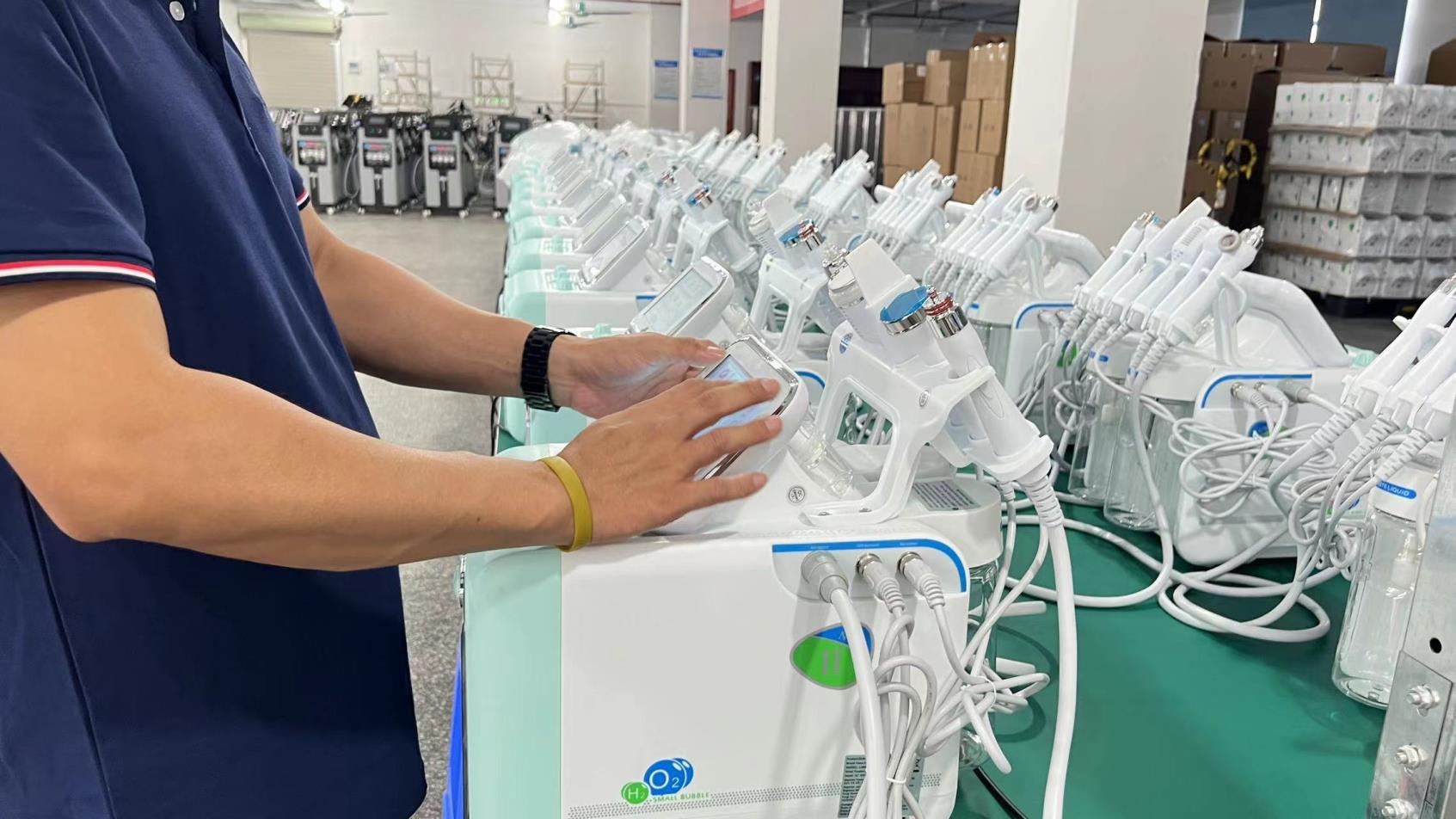
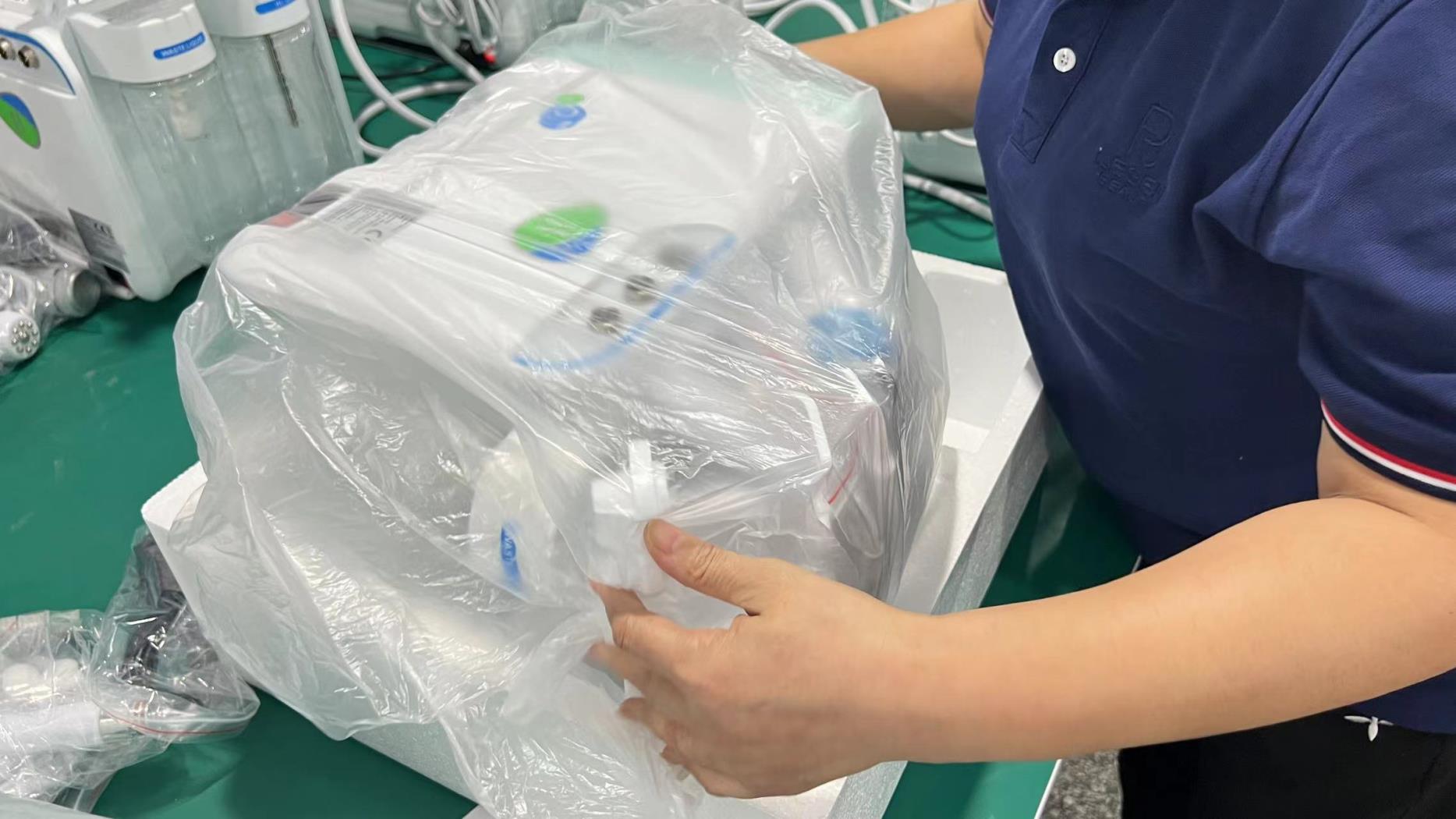
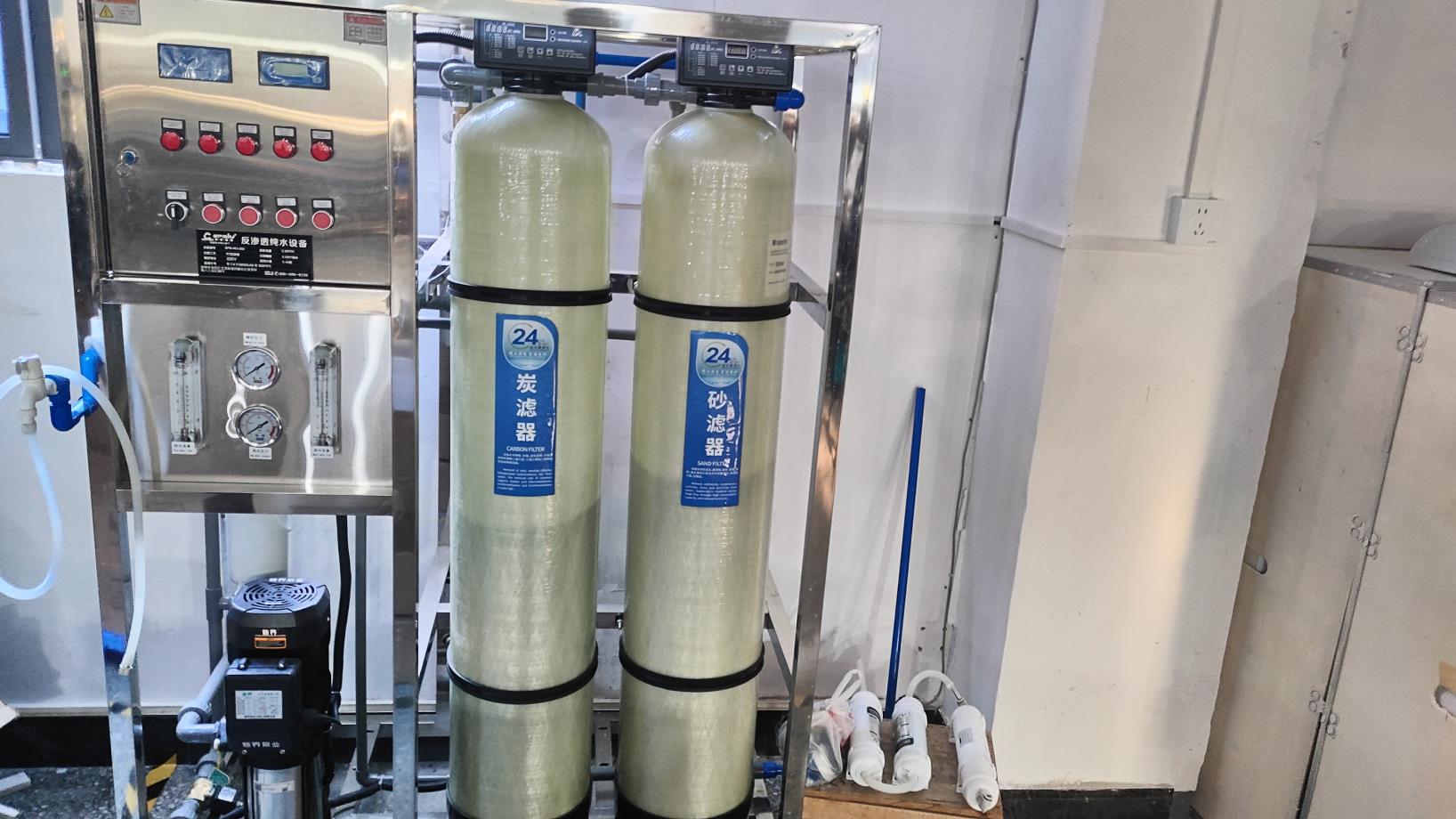
A visual overview of our manufacturing processes, showcasing raw material inspections, precision assembly, and rigorous safety tests.
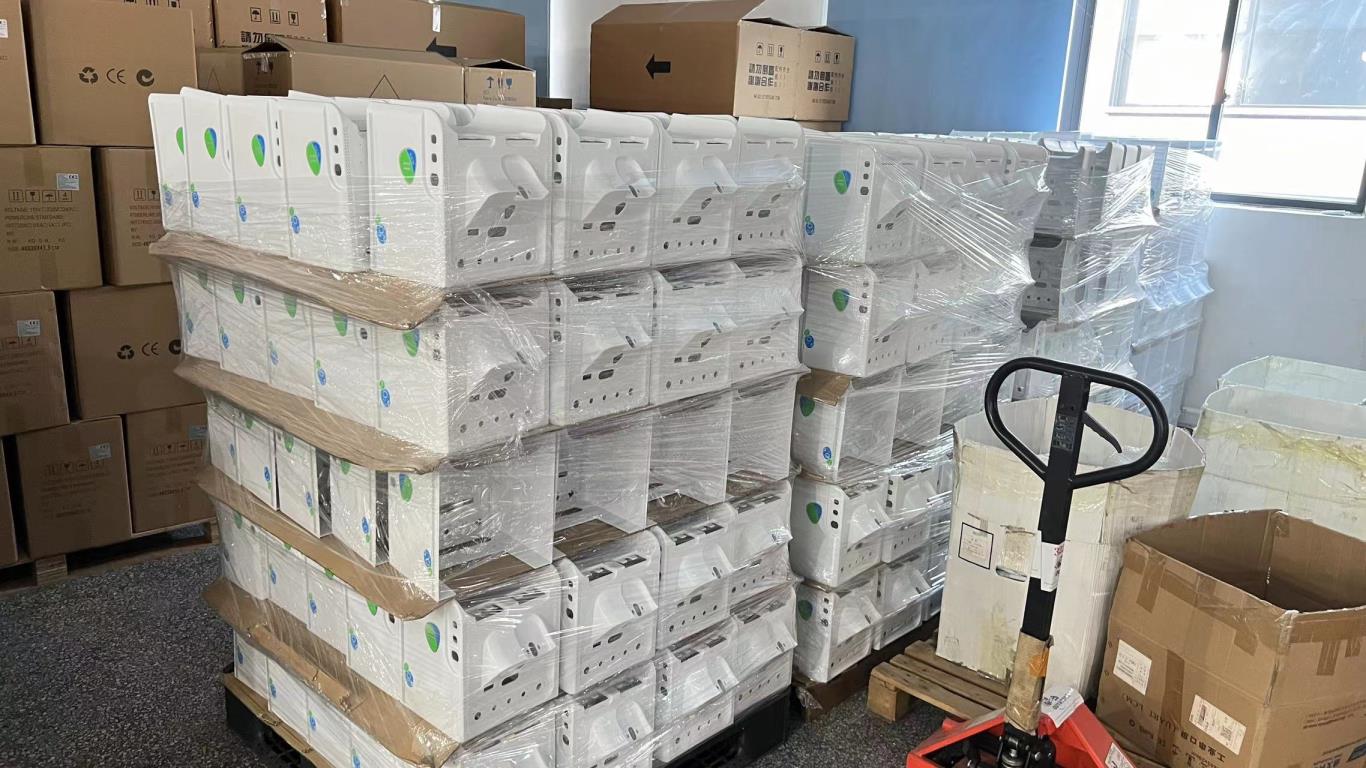
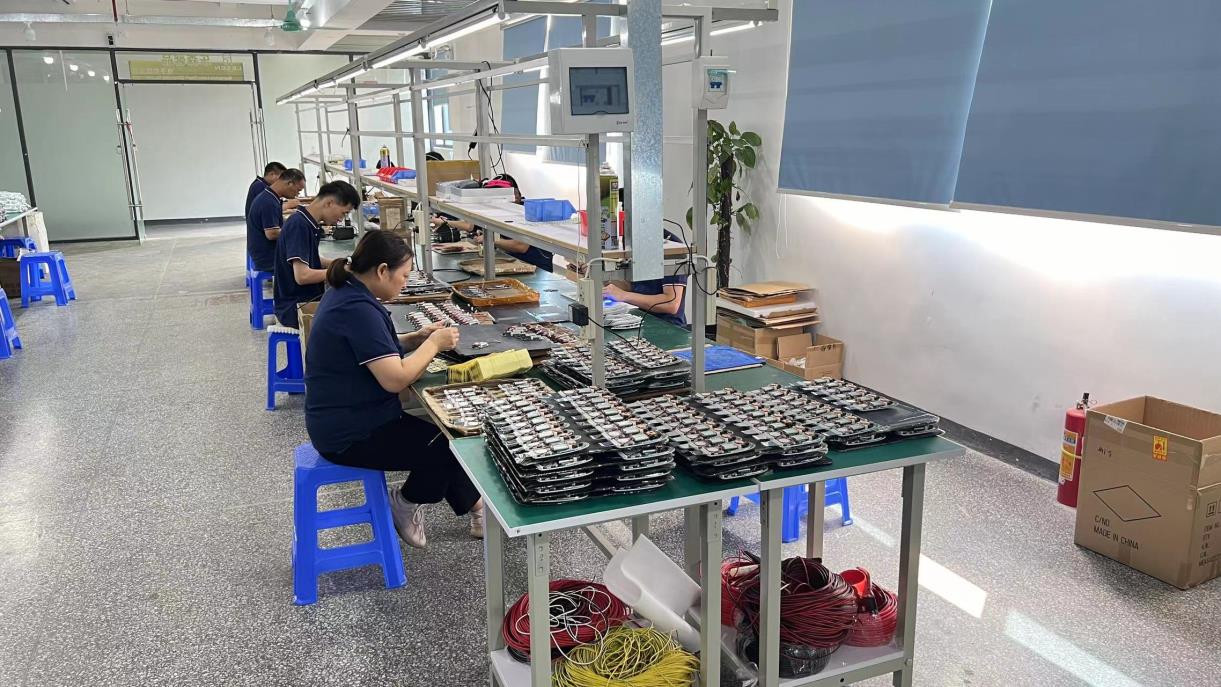
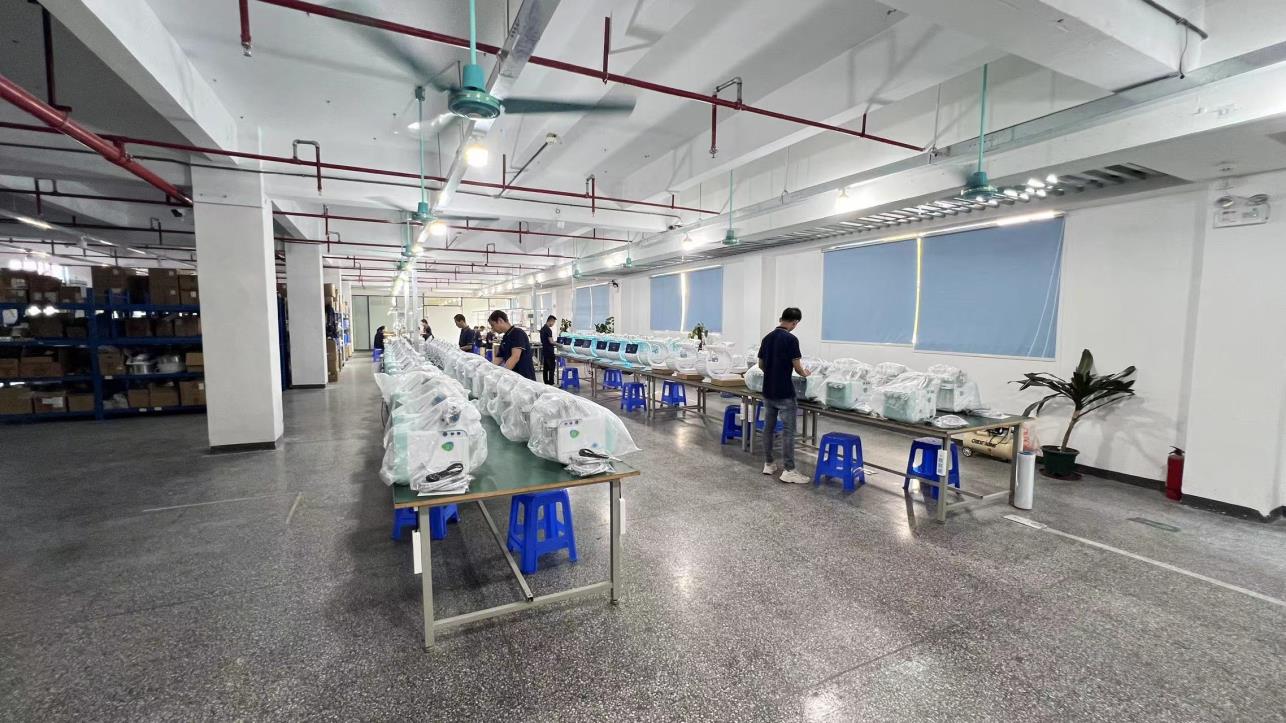
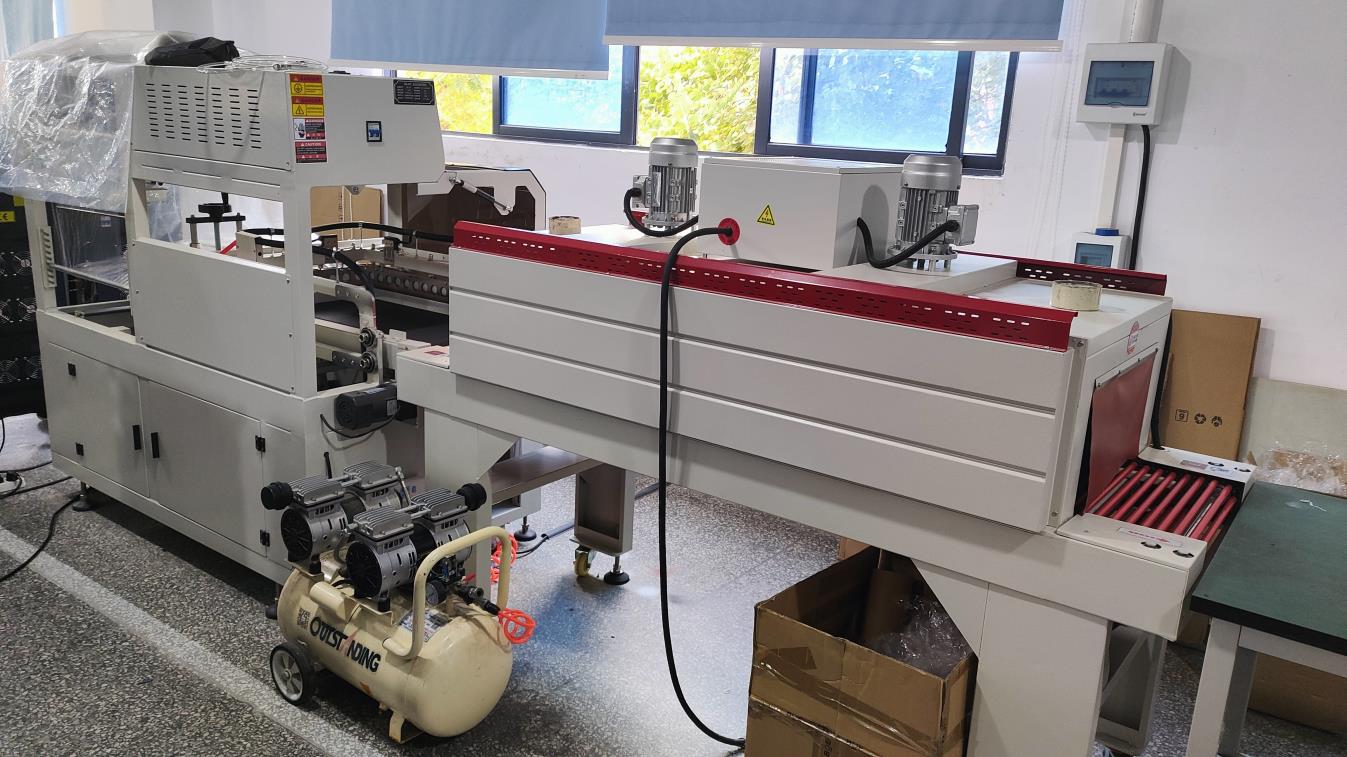
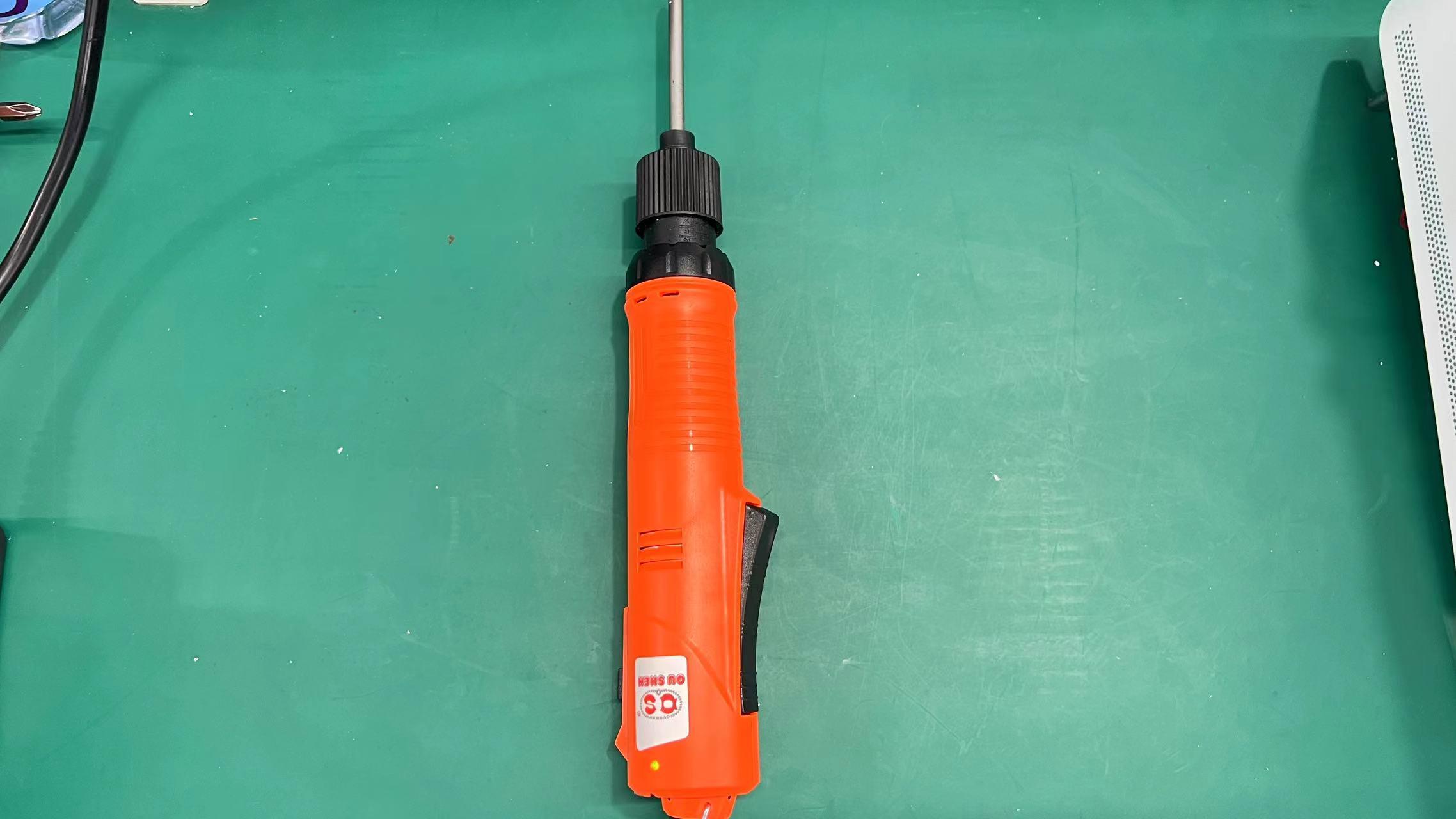
Importing electro-medical and aesthetic equipment into Ethiopia requires compliance with the regulations of the Ethiopian Food and Drug Authority (EFDA). The EFDA enforces strict controls on safety, efficacy, and quality assurance. Aesthetic equipment like IPL devices must be accompanied by comprehensive manufacturing documentation during import customs clearance.
9018.90 (Electro-medical instruments and appliances). Correct classification helps ensure appropriate customs tariff assessment.Logistically, imports are primarily shipped by sea to the port of Djibouti, followed by transit via the Ethio-Djibouti Railway to dry ports near Addis Ababa (such as Modjo Dry Port). For urgent orders, air cargo shipping directly to Bole International Airport (ADD) provides a faster alternative. Our sales team assists partners by preparing all necessary commercial invoices, packing lists, and regulatory certificates to facilitate customs clearance.
Adding high-performance IPL skin rejuvenation to an aesthetic clinic's service list can significantly increase profitability. In cities like Addis Ababa, a professional photofacial session can range from $40 USD to over $120 USD equivalent (in ETB), depending on the target area. With low cost-per-flash operations, clinics often achieve a return on investment within 3 to 6 months of active clinical operation.
Voltage fluctuations and power instability can occur in the East African region. Unregulated voltage shifts can damage high-voltage capacitors in professional IPL generators. We recommend that our Ethiopian clients connect the IPL equipment to a dedicated 3000VA to 5000VA Automatic Voltage Stabilizer (AVS). This protects the sensitive electronics and extends the lifespan of the system.
Safe operation requires proper clinical training. We supply detailed treatment protocols, Fitzpatrick scale guidelines, and virtual training support for every system we deliver. This helps clinic staff confidently configure parameters for safe, effective hair removal, vascular therapies, and skin rejuvenation treatments.
The aesthetic device industry is transitioning toward smart, integrated clinic management. As a leading developer, Yiki Beauty is focusing on several key innovations in our upcoming IPL systems:
New designs include optical sensors embedded within the handpiece. These sensors analyze the patient's skin pigment levels in real-time, automatically suggesting safe energy limits and pulse durations. This feature reduces the risk of user error and improves patient safety during treatment.
Traditional IPL uses broad-band light. DPL technology narrows the spectrum to a precise 500nm–600nm range (for vascular and pigmentation treatments) or 550nm-650nm (for skin rejuvenation). This narrow-band spectrum allows target chromophores to absorb energy more efficiently, delivering faster clinical results with lower overall energy output.
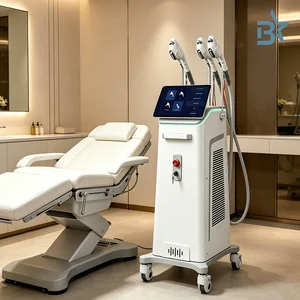
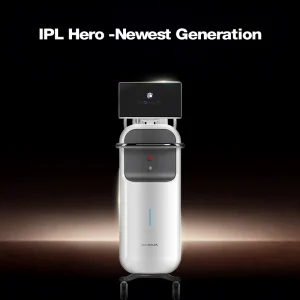
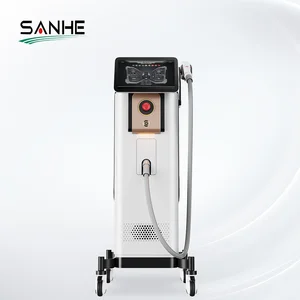
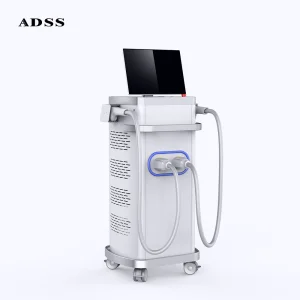
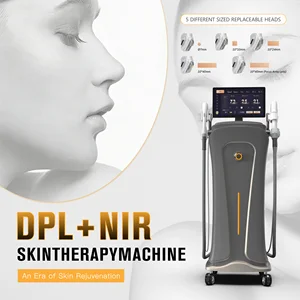
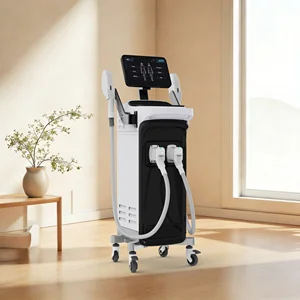
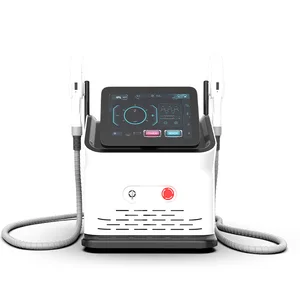
Industrial workstation platforms designed for busy clinics and medical centers. These devices feature high cooling capacities and continuous pulse emission capabilities.
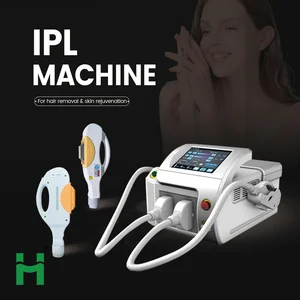
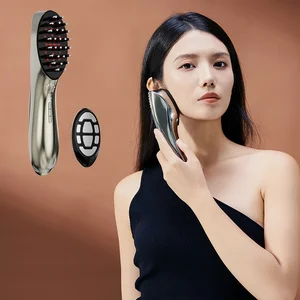
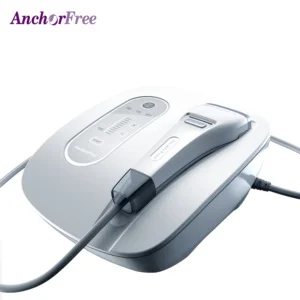
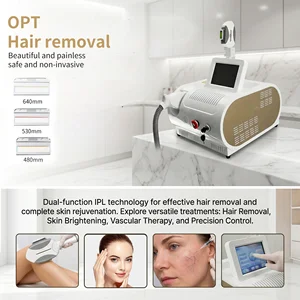
Versatile portable units and home-use beauty systems, designed for mobile practitioners, boutique spas, and consumer markets.
Get expert answers regarding clinical applications, shipping logistics, customs processes, and warranty support for importing to Ethiopia.
For sea freight, cargo departs from Shenzhen or Guangzhou port to the Port of Djibouti. This ocean route typically takes 20 to 25 days. Land transport via the Ethio-Djibouti Railway or road corridor to custom terminals in Modjo or Addis Ababa takes an additional 7 to 10 days. If shipping via air cargo directly to Bole International Airport (ADD), the delivery time is 5 to 7 days.
Yes. All our professional IPL and DPL platforms are manufactured in compliance with ISO 13485 medical device quality standards and hold CE certifications. We provide comprehensive technical files, factory testing documentation, and certificate compliance reports to support our Ethiopian importing partners during EFDA registration.
Our premium clinical systems feature heavy-duty internal capacitors and safety circuit breakers. However, to ensure stable operations and protect sensitive electronic boards from grid fluctuations, we strongly advise using an external 220V Automatic Voltage Regulator (AVR/Stabilizer) rated at 3000VA to 5000VA.
Yes. We provide complete operational manuals, treatment protocol guides, and recommended parameter settings for different Fitzpatrick skin phototypes. We also offer online training sessions led by our application specialists. Video tutorials and certificate options are available to ensure salon staff can operate the equipment safely and effectively.
For Fitzpatrick Skin Types IV to VI, we recommend using cut-off filters starting at 640nm and 690nm for hair removal. These wavelengths target melanin in the hair follicle deeper in the dermis, bypassing superficial epidermal pigment and significantly reducing the risk of post-inflammatory hyperpigmentation.
Our handpieces feature integrated thermoelectric (TEC) cooling, water circulation, and sapphire crystal tips. This multi-stage system cools the skin surface to 0°C to -4°C during treatment. This contact cooling helps protect the epidermis and ensures a more comfortable patient experience.
We use premium Xenon flash lamps imported from the UK, which provide a lifespan of up to 1,000,000 flashes under optimal operating conditions. When the lamp reaches its limit, the handpiece can be sent back to our technical center, or a replacement cartridge can be installed by a local technician with our guidance.
Yes. We offer OEM/ODM services for our clinical platforms. This includes incorporating custom logo designs, software start-up screens, body color schemes, and multi-language controls to match your clinic or distribution network branding.
 Yiki Beauty