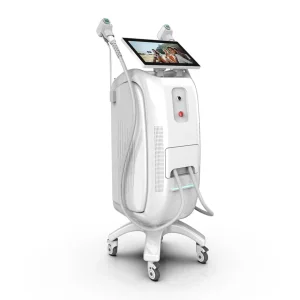
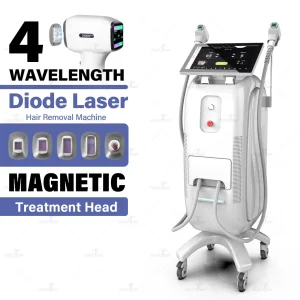
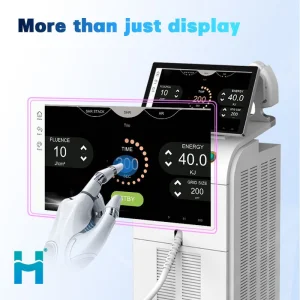
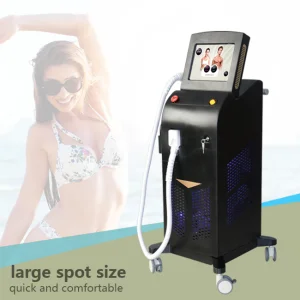
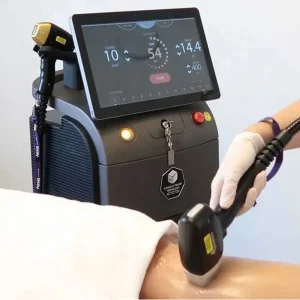
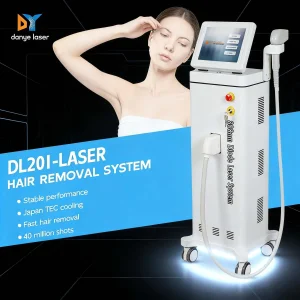
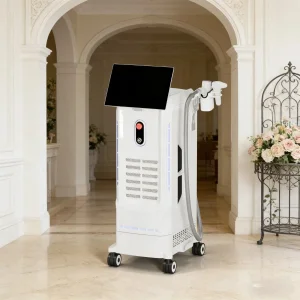
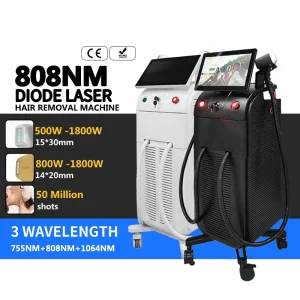
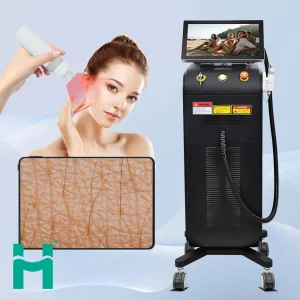
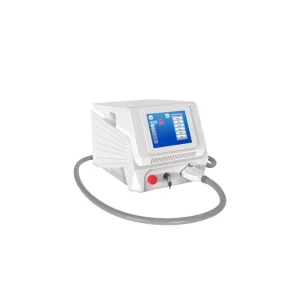
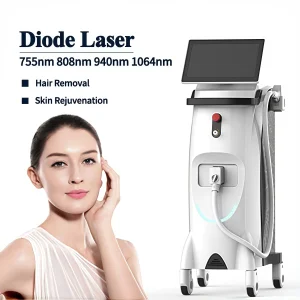
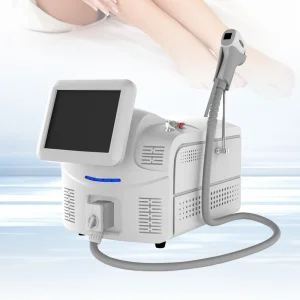
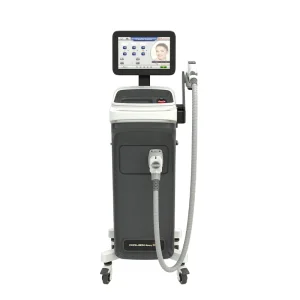
Engineered for high patient throughput, superior cooling performance, and multi-wavelength emission.
How shifting German legal frameworks and multicultural demographics dictate the hardware choices of premier clinics.
Berlin represents one of Europe's most dynamic and culturally diverse metropolitan hubs. This cosmopolitan demographic demands that modern aesthetic clinics cater to an exceptionally broad range of hair types and skin tones, from Fitzpatrick Skin Type I (very fair) to Type VI (deeply pigmented). Traditional single-wavelength lasers (typically 808nm) often encounter therapeutic limitations when processing dark skin due to the competitive absorption of light energy by epidermal melanin. This increases the risk of post-inflammatory hyperpigmentation (PIH) and localized thermal burns.
Simultaneously, the German aesthetic market operates under the stringent guidelines of the NiSV (Verordnung zum Schutz vor schädlichen Wirkungen nichtionisierender Strahlung bei der Anwendung am Menschen). Under NiSV regulations, operators must demonstrate specialized, accredited certification to operate optical radiation equipment. Additionally, the equipment itself must meet strict manufacturing tolerances, functional stability, and safety measures. For Berlin distributors and clinic owners, importing devices that lack verifiable compliance pathways is a significant business risk. This is why partnering with an experienced, quality-focused manufacturer is vital.
Our diode systems feature integrated energy monitoring, calibrated pulse control, and automated skin-type profiling to help clinic operators meet German NiSV safety audits.
Combining 755nm, 808nm, 940nm, and 1064nm wavelengths in a single high-density diode stack to cover all Fitzpatrick skin phototypes safely.
Produced under strict ISO 13485 quality management systems, utilizing imported core optics to guarantee durability and energy calibration.
To succeed in Berlin's competitive aesthetic market, a diode laser hair removal device must deliver results across all skin profiles. We integrate up to four distinct wavelengths to target different tissue depths:
Discover the hardware engineering that enables continuous, high-volume clinic operation without thermal drift.
A major challenge for clinic operators in Berlin is maintaining patient comfort while delivering enough energy to damage the hair follicle. Pain management is directly tied to the efficiency of the device's cooling system. Yiki Beauty's diode laser machines utilize a dual-stage active refrigeration system: Thermoelectric Cooling (TEC) combined with a high-capacity compressor refrigeration loop.
This hybrid cooling system maintains the sapphire tip contact temperature at a stable -5°C to -10°C, even during hours of continuous operation. By pre-cooling the epidermis, the risk of epidermal damage is minimized, allowing higher fluences to be delivered to the hair roots. The system also prevents thermal degradation of the laser diode stack, extending its operational lifespan to over 20 million pulses.
| Technical Parameter | Clinic Standard Specification | Advanced Elite Specification |
|---|---|---|
| Laser Wavelengths | 808nm Standard Single Wave | 755nm + 808nm + 940nm + 1064nm Quad-Wave |
| Diode Power Output | 1200W - 1600W | 2000W - 3000W High Energy Stack |
| Cooling Technology | TEC Active Contact Cooling | TEC + Compressor Refrigeration System |
| Display / Interface | 10.4-inch LCD Touchscreen | 15.6-inch Android Smart Screen (IoT Integrated) |
| Pulse Width | 10 - 400 ms | 1 - 300 ms (Ultra-short pulse duration) |
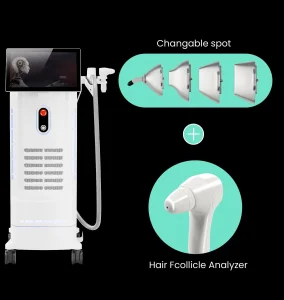
| Spot Sizes | 12 x 20 mm | Interchangeable Magnetic Tips (12x12mm, 12x24mm, 15x30mm) |
A behind-the-scenes look at our manufacturing facility, where precision engineering meets rigorous quality control.
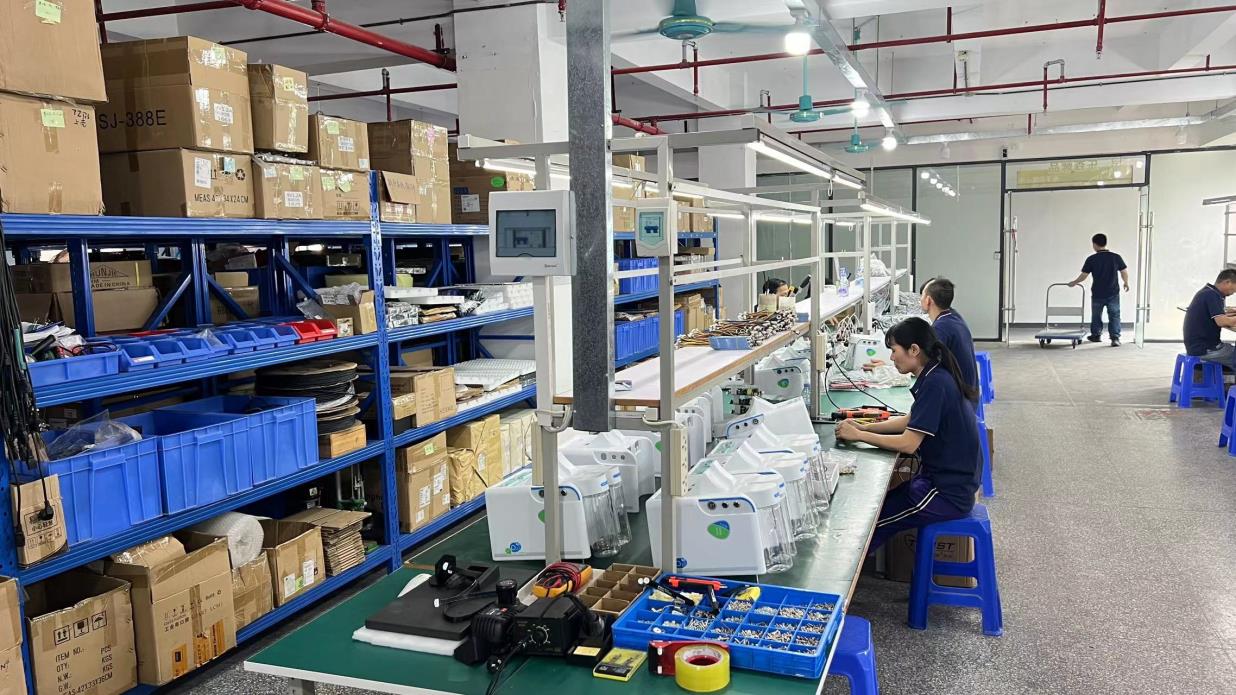
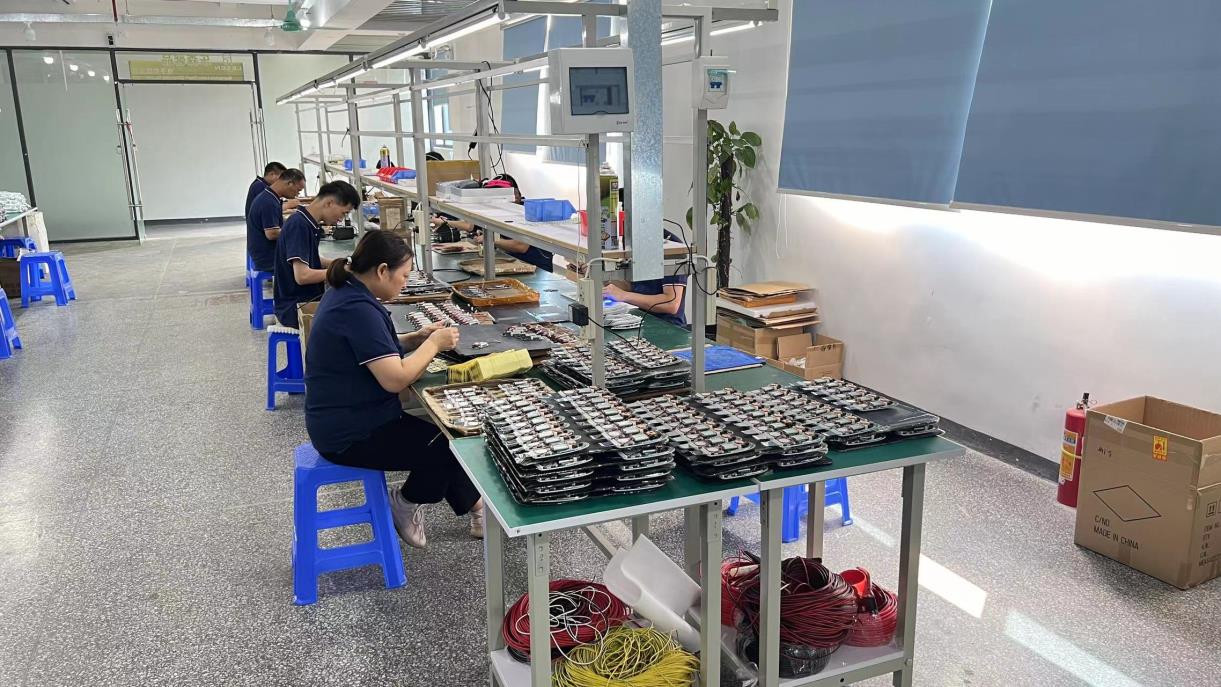
Based in Shenzhen, the silicon capital of hardware innovation, Shenzhen Yiki Beauty Co., Ltd. integrates research, design, manufacturing, and global sales. Our facility operates a complete end-to-end supply chain. This structure enables us to source raw materials, design electronic control systems, build chassis, and assemble finished machines under one roof. For Berlin exporters and medical distributors, this centralized production translates to lower costs, reliable quality control, and faster lead times.
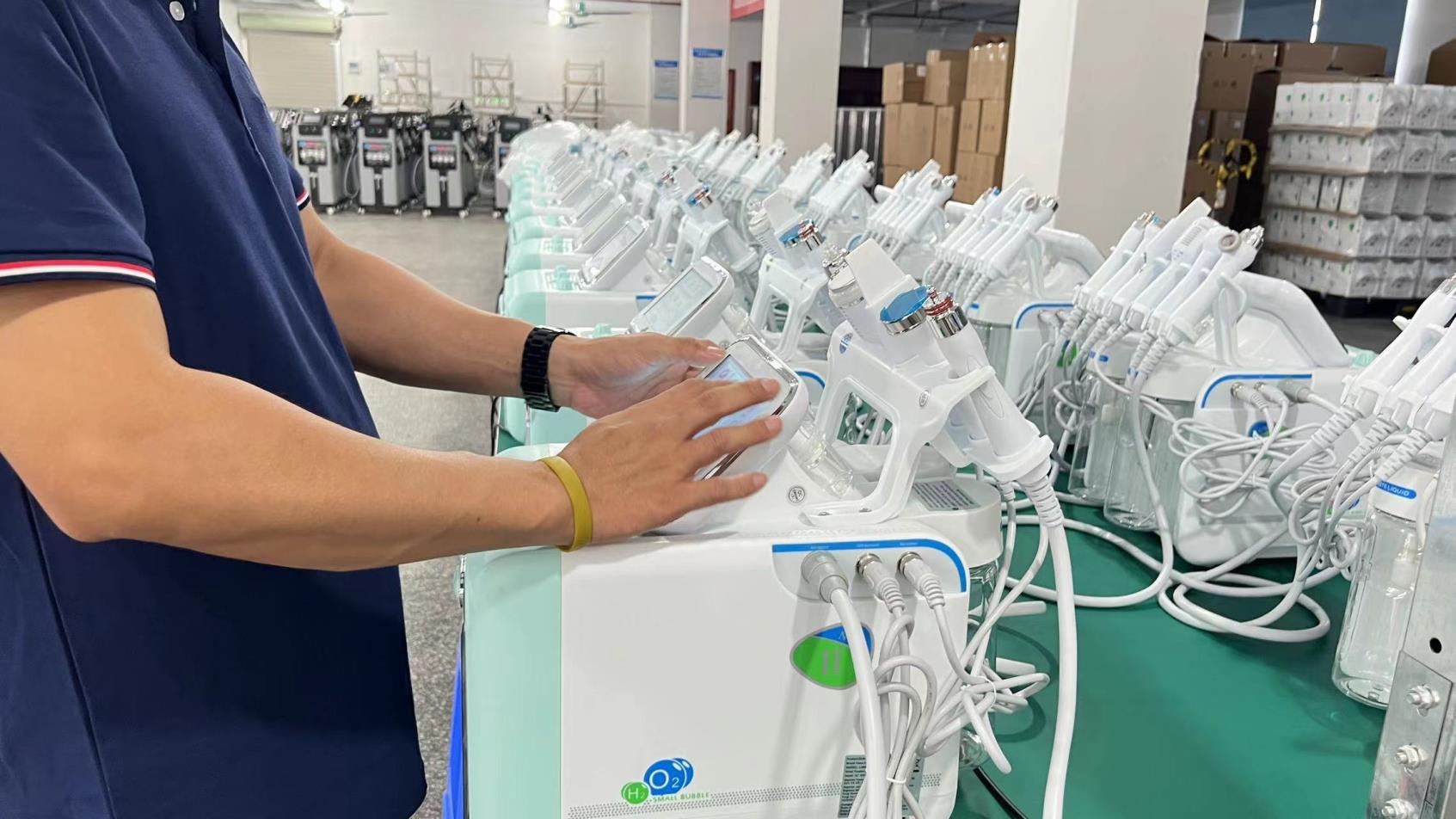
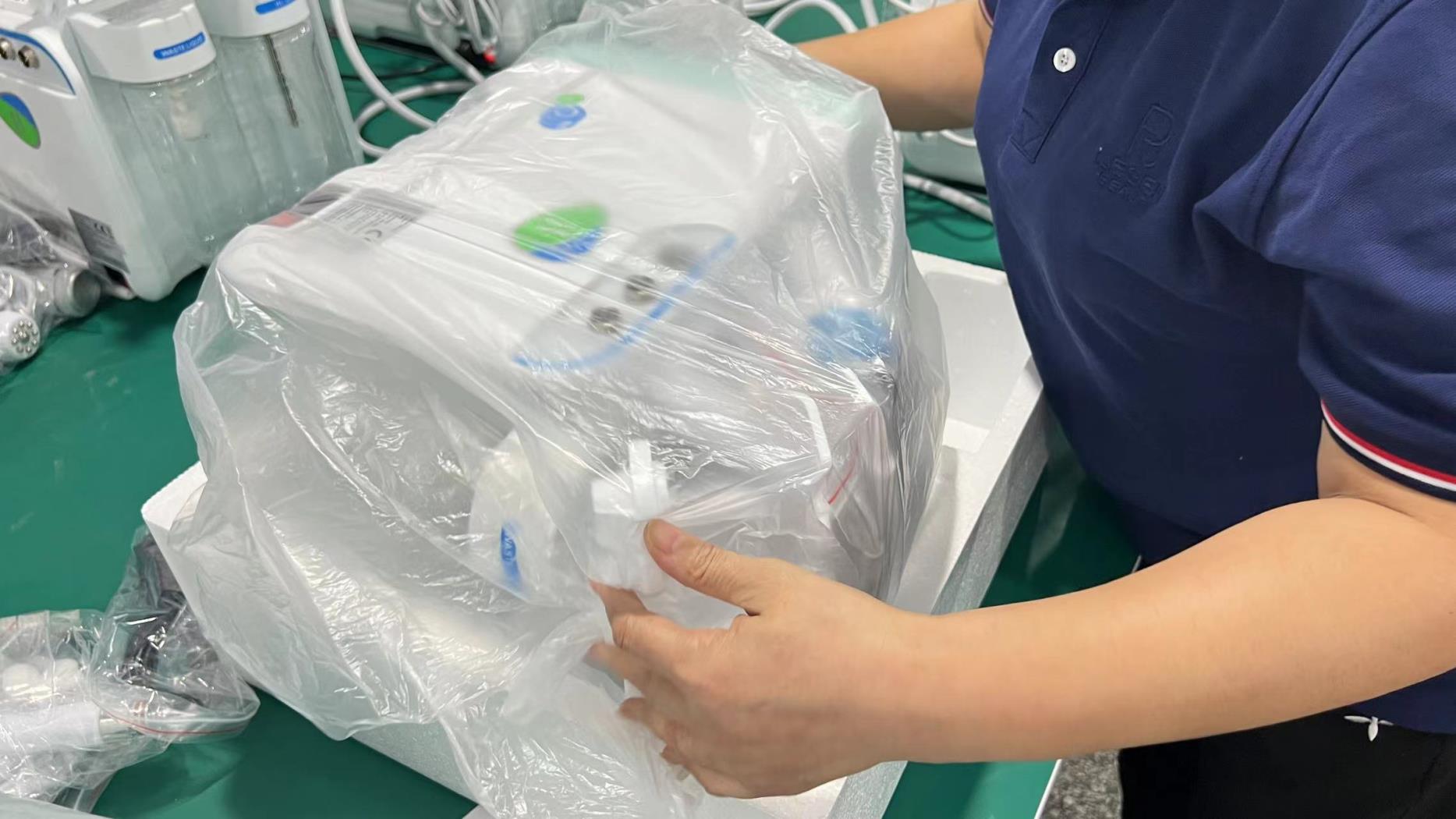
Our quality assurance protocol includes multiple checkpoints: raw material inspection, electronic components testing, and stress testing. Below is an overview of our manufacturing process, showing the assembly and quality control steps that prepare our machines for export to the German market.
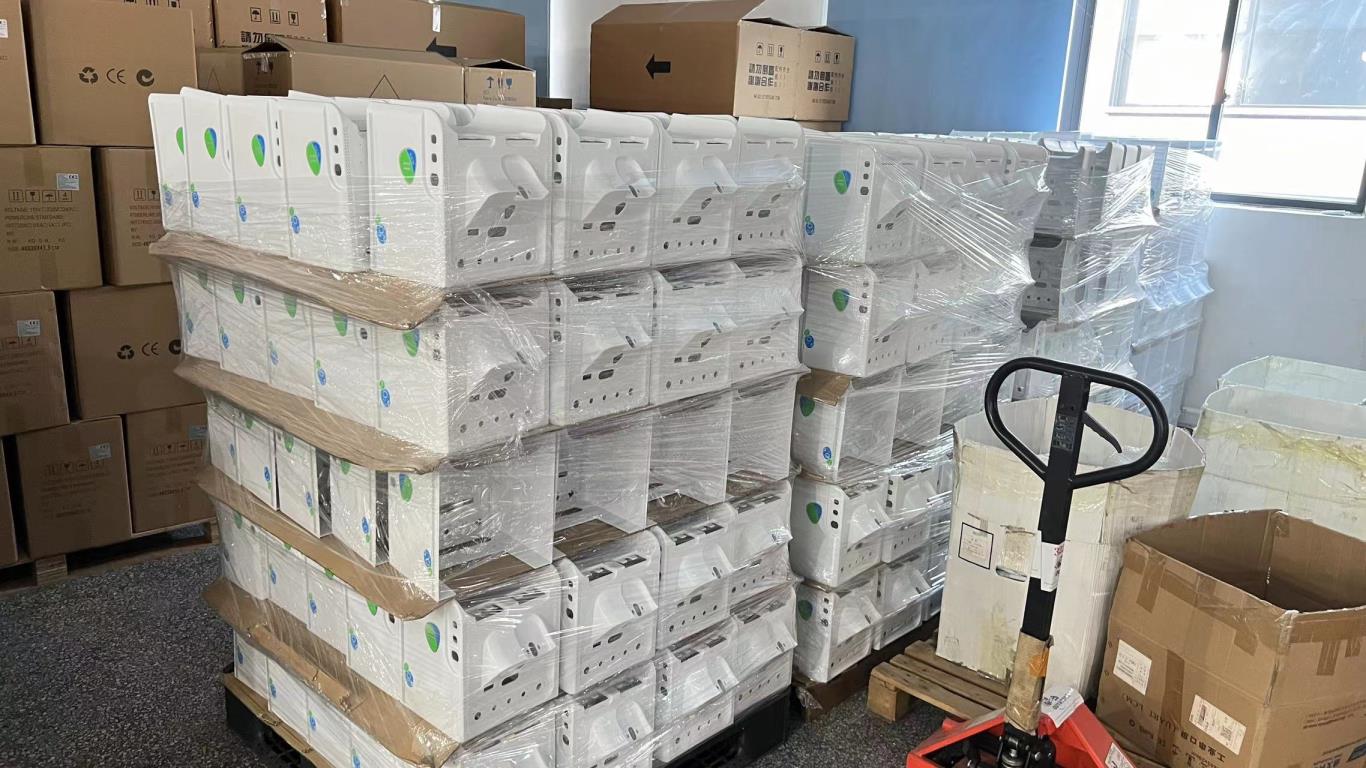
Raw Material Sourcing
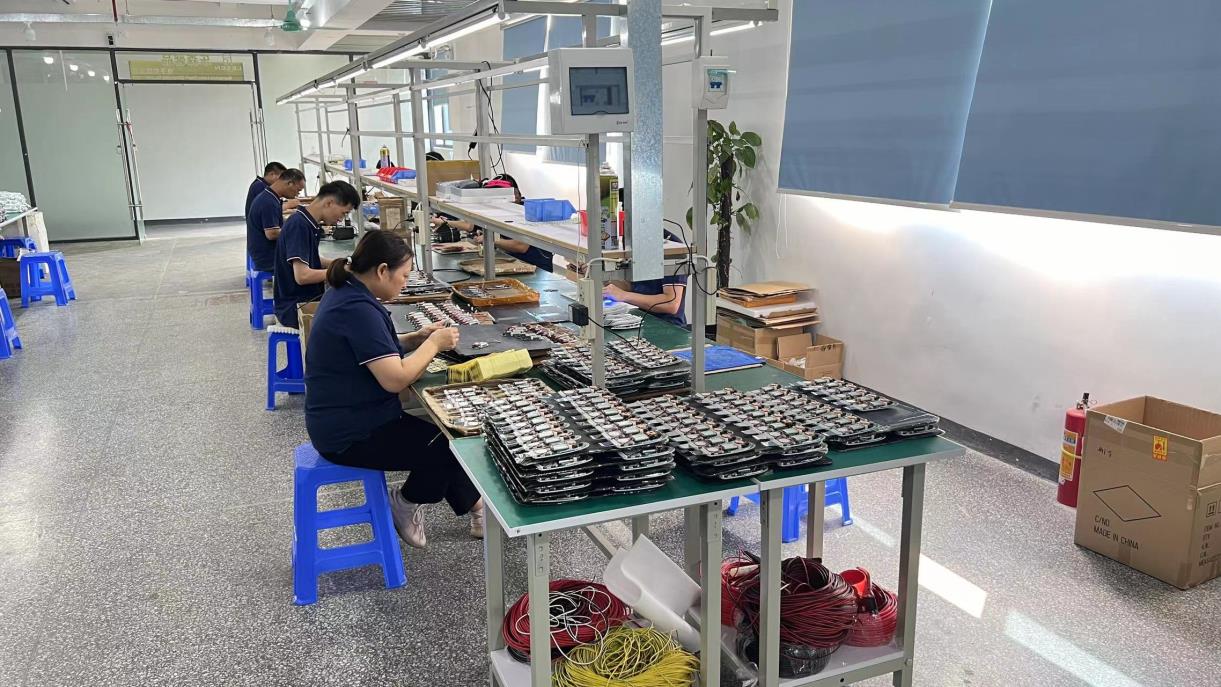
Assembly 1
Assembly 2
Functional Testing
Packaging
Assembly Line
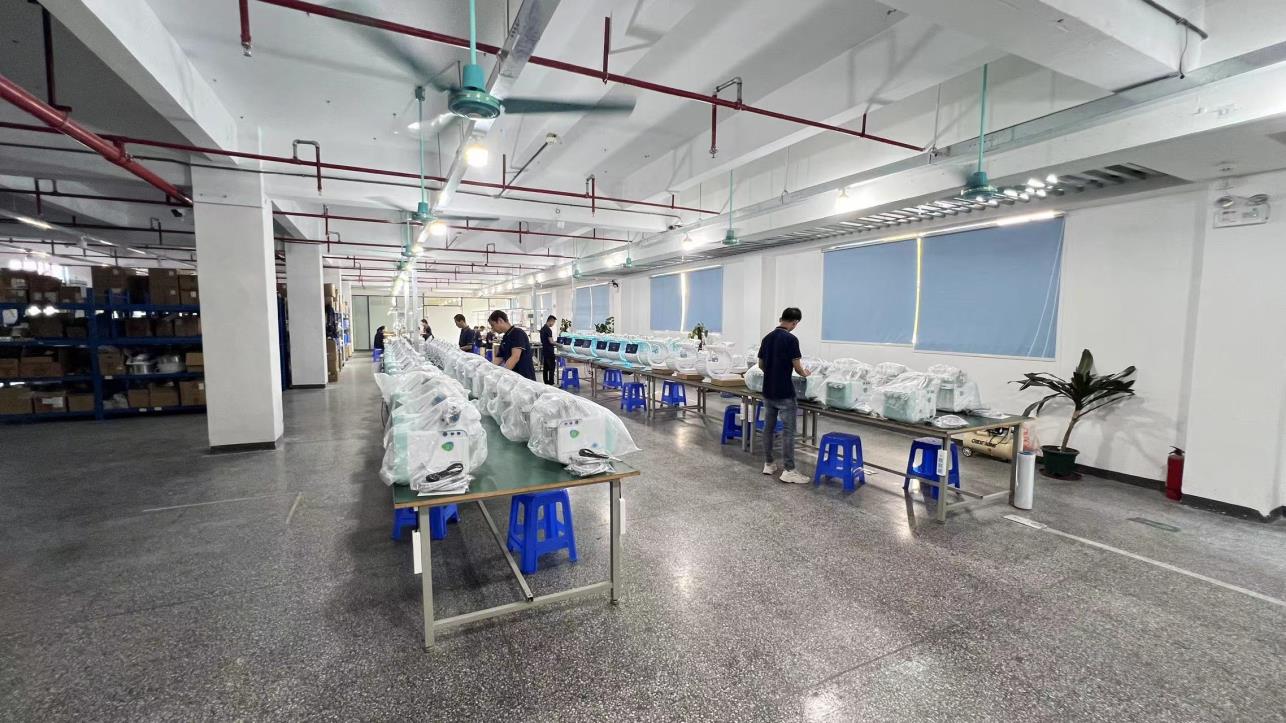
Test Line
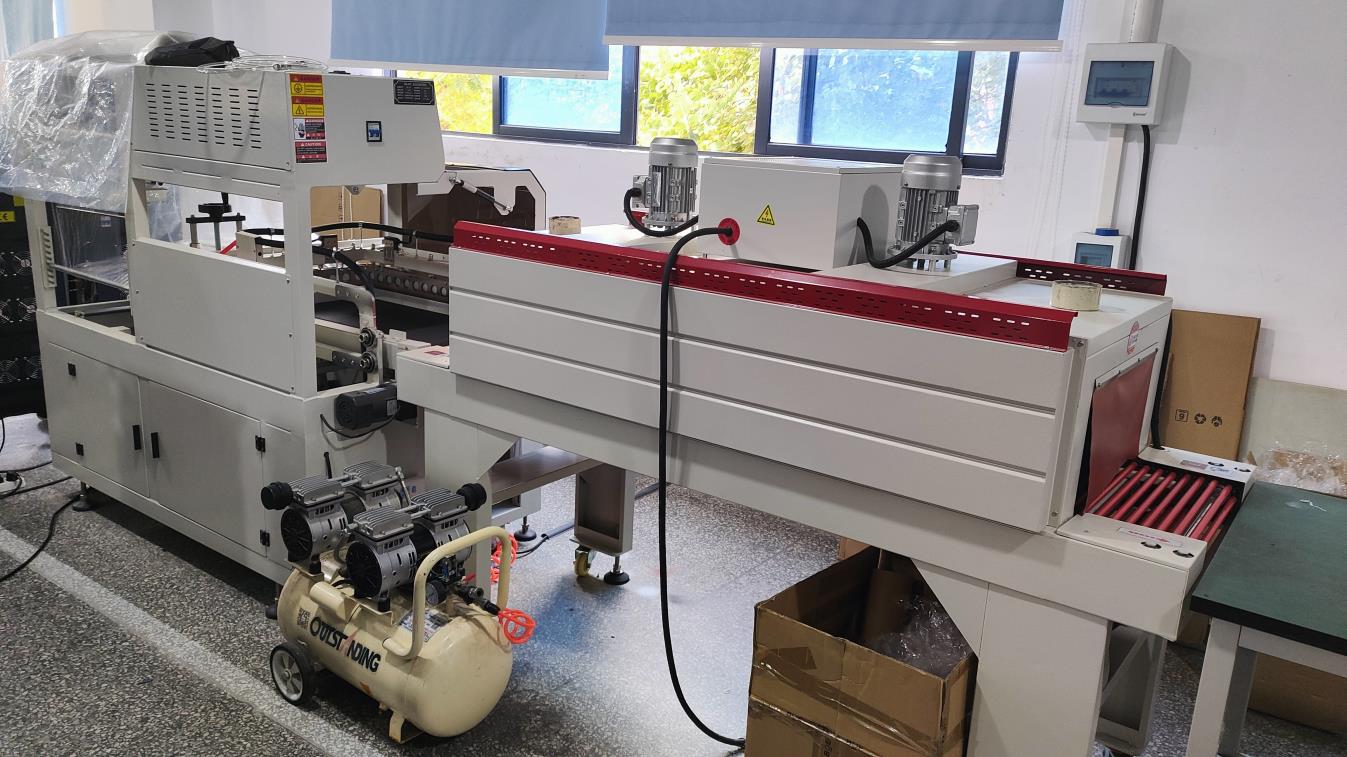
Shrink Wrap Machine
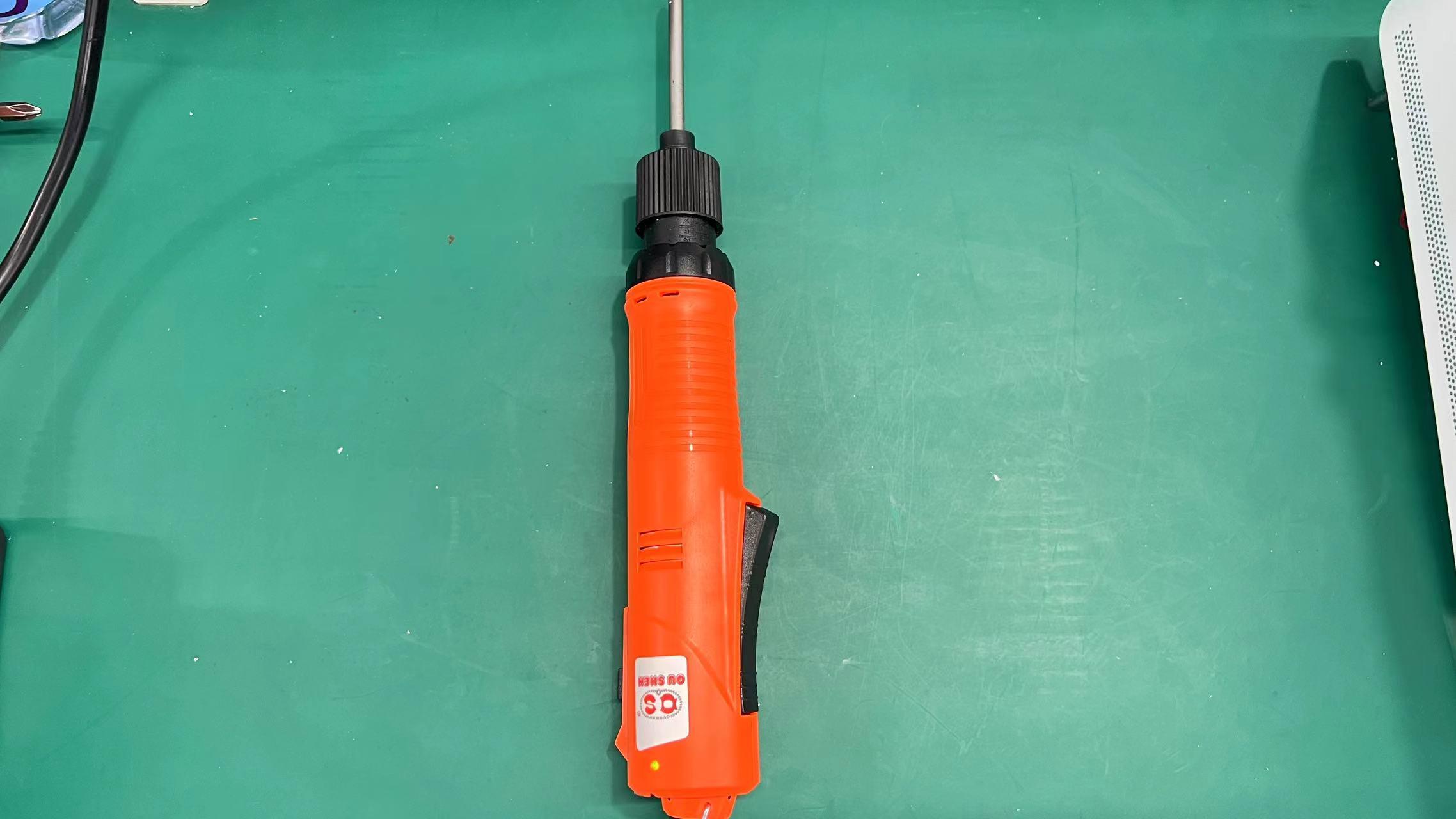
Electric Tools
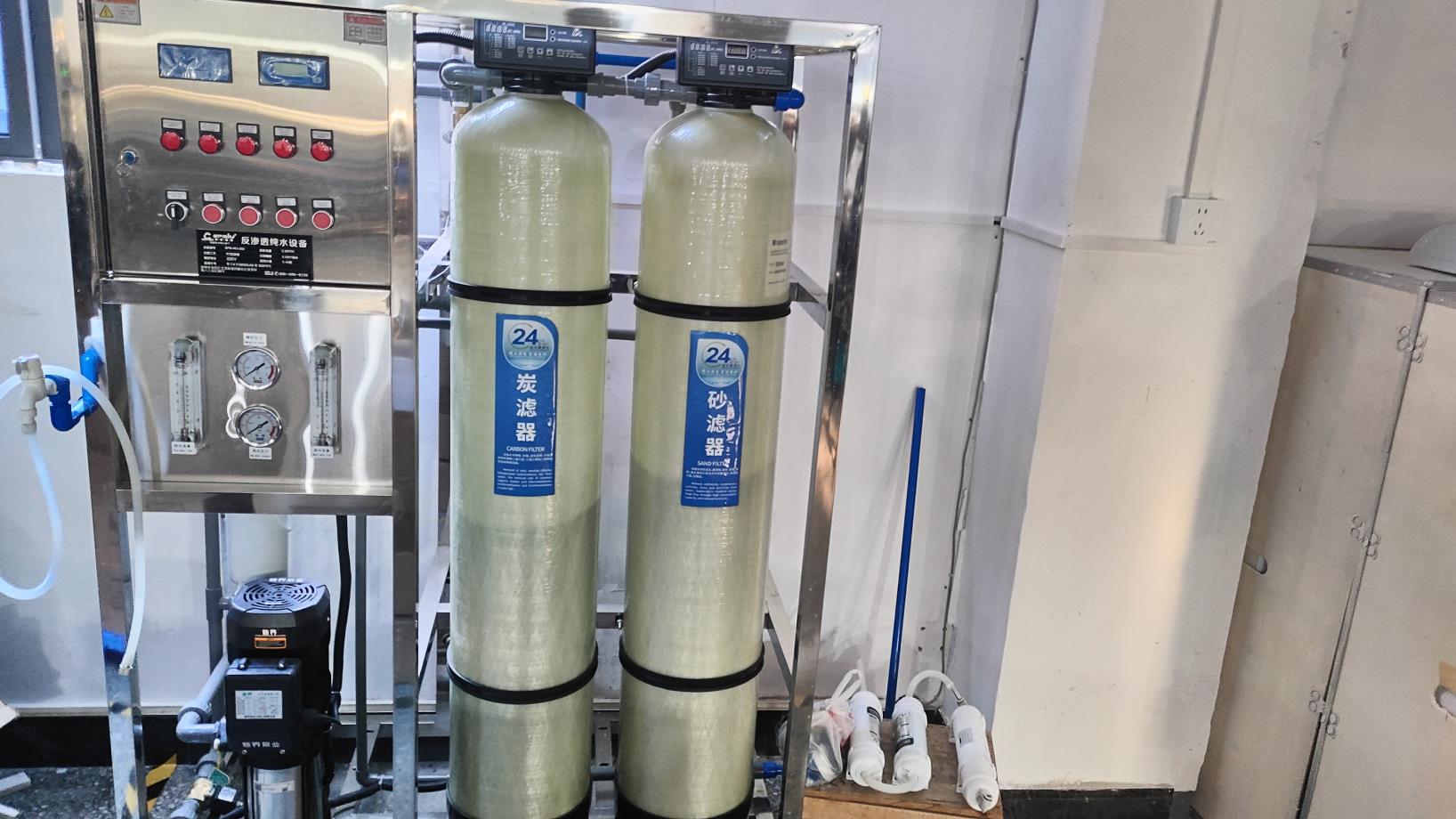
Water Filtration Device
A key element of our manufacturing process is the Purified Water Filtration Device. Diode lasers rely on micro-channel cooling paths within the laser bars. Standard water can deposit micro-scale minerals, block these channels, and cause the diode stack to burn out. We use high-grade deionized water filtration systems in our testing phases and supply similar system components to guarantee long-term reliability for our clients in Germany.
Partner with Yiki Beauty to access OEM/ODM services, custom software interfaces in German, and localized marketing support.
Send Inquiry NowEnsuring reliable operations, fast shipping, and technical backup for our European business partners.
We understand that importing aesthetic systems into Germany involves managing logistics, customs clearance, and compliance. To simplify this process, Shenzhen Yiki Beauty Co., Ltd. provides a complete support framework for importers in Berlin, Hamburg, Munich, and other German hubs:
A comprehensive range of aesthetic devices, featuring portable models and high-capacity dual-handpiece platforms.
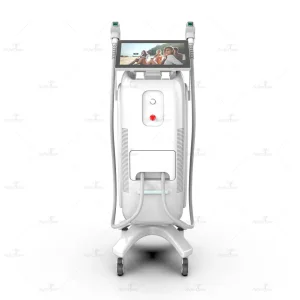
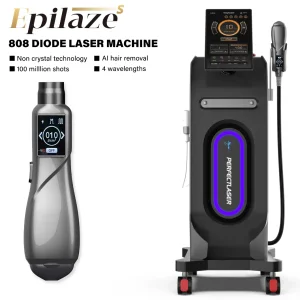
A preview of our upcoming developments in intelligent hair removal technology.
The aesthetic laser market is shifting from manual settings to intelligent, data-driven systems. Yiki Beauty is focusing on integrating smart technologies to improve clinical outcomes, enhance safety, and streamline operations:
Common questions from clinical operators, distributors, and business owners regarding compliance and technology.
1. How do Yiki Beauty diode lasers comply with German NiSV regulations?
2. Why is the 940nm wavelength included along with 755nm, 808nm, and 1064nm?
3. What is the typical lifespan of the diode laser stack?
4. Why is deionized water filtration essential for these machines?
5. Can these devices operate safely on dark skin (Fitzpatrick VI)?
6. What is the lead time and shipping duration to Berlin?
7. Do you provide training and certification support for German operators?
8. What is the return on investment (ROI) profile for a Berlin aesthetic clinic?
Ready to discuss custom configurations, pricing, and shipping terms?
Send Inquiry Now Yiki Beauty