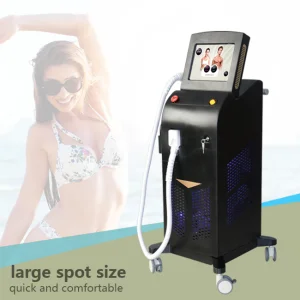
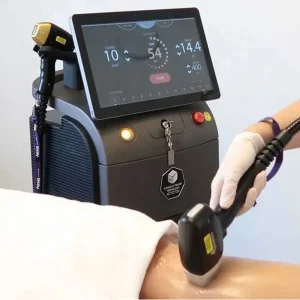
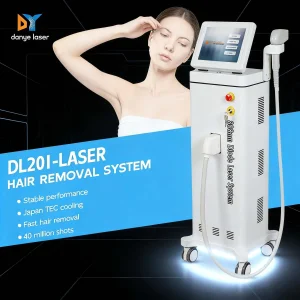
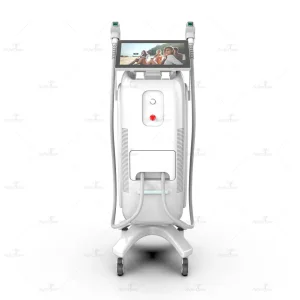
Diode Laser Hair Removal Device Factories & Exporters in Bangladesh

Clinical-Grade Laser Aesthetic Systems & High-Power Epilation Technology: Bridging Global Manufacturing with Bangladesh’s Expanding Medical Aesthetics Market

Request Factory-Direct Pricing & Catalogue
Featured Innovations

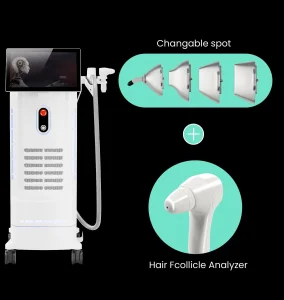
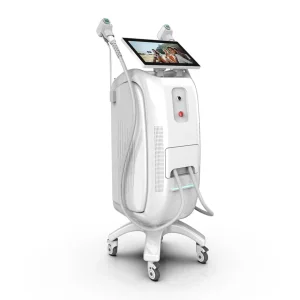
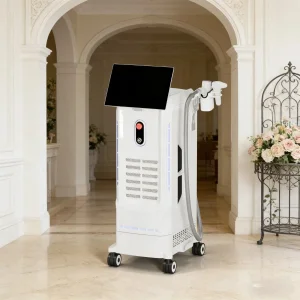
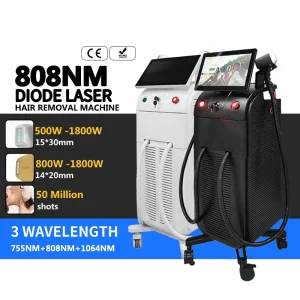
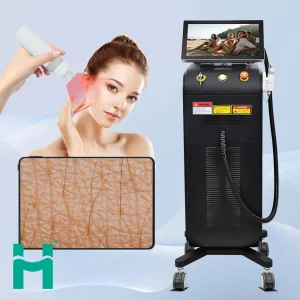
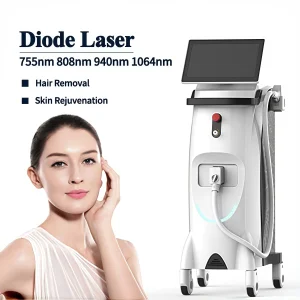
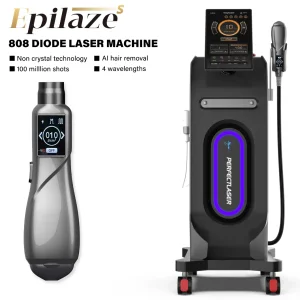
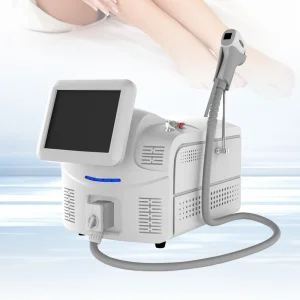
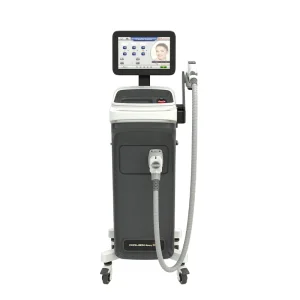
Leading Diode Laser Systems for Bangladesh Aesthetic Clinics

Engineered for deep melanin penetration and robust epidermal cooling, ideal for South Asian skin phenotypes.

1. Executive Summary: The Diode Laser Revolution in Bangladesh

The medical aesthetic landscape in Bangladesh is undergoing a seismic shift. Rapid urbanization, rising middle-class disposable incomes in metropolitan hubs like Dhaka, Chittagong, and Sylhet, and a heightened focus on personal grooming have created an unprecedented surge in demand for non-invasive aesthetic procedures. Among these, permanent hair removal has emerged as the most requested clinical treatment.

Historically, salons and clinics in South Asia relied on traditional waxing, threading, or low-powered Intense Pulsed Light (IPL) systems. However, IPL systems often fail to deliver permanent results on coarser hair and carry high risks of epidermal burns on darker skin types. Today, the clinical standard has decisively shifted to Diode Laser Hair Removal Systems (predominantly 808nm, 940nm, and 1064nm wavelengths). This whitepaper analyzes the commercial dynamics, regulatory pathways, technical physics, and operational execution required for importing and scaling diode laser systems in Bangladesh.

28%
Bangladesh Aesthetic CAGR
808nm+
Gold Standard Wavelengths
100%
DGDA & CE Compliant
<6 Mos
Average ROI Period

2. Clinical Demographics & Skin Phenotypes in South Asia

To achieve maximum clinical efficacy while ensuring zero epidermal damage, practitioners in Bangladesh must understand the biophysics of South Asian skin. According to the Fitzpatrick Skin Phototype Scale, the vast majority of the Bangladeshi population falls within Type IV (light brown, burns minimally, tans easily), Type V (brown, rarely burns, tans dark), and Type VI (dark brown to black, never burns, deeply pigmented).

The Challenge of Melanin Competing Absorption: In lighter skin types (Fitzpatrick I-III), the target chromophore is exclusively the melanin within the hair follicle. In Fitzpatrick IV-VI skin, the high concentration of epidermal melanin acts as an competing chromophore. If a standard 755nm Alexandrite wavelength is applied with excessive energy, the laser light is absorbed by the epidermis rather than the hair root, resulting in post-inflammatory hyperpigmentation (PIH), blistering, or scarring.

Consequently, the ideal configuration for Bangladesh exporters and clinic procurement managers is a multi-wavelength diode system incorporating 808nm, 940nm, and 1064nm. The 1064nm component (historically Nd:YAG, now successfully integrated into solid-state diode arrays) features lower melanin absorption and deeper penetration profiles, bypassing the pigment-rich epidermis to directly coagulate the dermal papilla.

3. Technical Roadmap: Multi-Wavelength Laser Diode Integration

Modern professional aesthetic platforms utilize vertical stack diode arrays. Below is the technical breakdown of the wavelengths utilized in premium Chinese-manufactured systems exported to Bangladesh:

Wavelength Target Chromophore & Depth Best For (Skin & Hair Types) Safety Profile in South Asia
755nm (Alexandrite-equivalent) High melanin absorption; shallow penetration (bulge region). Fine, light-colored residual hair. Moderate; must be used with aggressive cooling on dark skin.
808nm (Classic Diode) Balanced absorption & deep penetration (bulb region). Coarse, dark hair; standard treatments. High; the universal gold standard for clinical hair removal.
940nm (Vascular Target) Oxyhemoglobin in micro-capillaries feeding the follicle. Resistant dark hair; hormonal hirsutism. Excellent; cuts nutrient supply to hair root without epidermal damage.
1064nm (YAG-equivalent) Deepest penetration (papilla); lowest epidermal melanin absorption. Fitzpatrick V-VI skin; deep-rooted pubic & beard hair. Maximum safety; bypasses epidermal pigment completely.

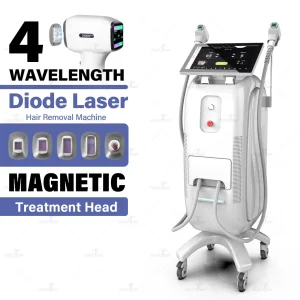
By combining these four wavelengths into a single handpiece, importers in Dhaka can offer a device capable of treating everything from fine facial hair on female patients to coarse beard grooming on male patients, maximizing the clinic's patient demographic range.

4. Macro Industry Solutions: Scaling Aesthetic Clinics in Dhaka & Beyond

Aesthetic clinic startups and chain expansions in Bangladesh require more than just a functional machine; they need a comprehensive operational ecosystem. Yiki Beauty's OEM/ODM vertical services are tailored to address these systemic industry bottlenecks:

  • Clinical Training & Protocol Standardization: Aesthetic medicine is relatively young in Bangladesh. Exporters must provide comprehensive online and on-site clinical protocols, detailing safe energy fluences, pulse widths, and cooling settings for varied patient profiles to prevent operator error.
  • Modular Engineering for Rapid Local Maintenance: Technical downtime is a clinic's worst enemy. Premium systems utilize a modular inner structure where the water circulation system, electrical control box, and diode driver are separated. This allows local technicians in Dhaka to swap plug-and-play components rapidly without sending the whole unit back to Shenzhen.
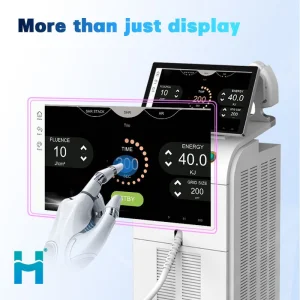
  • Advanced Software & Patient Database Management: Integrated Android OS platforms allow clinics to record patient profiles, treatment history, applied parameters, and photo progress directly on the device. This builds long-term clinical data assets and ensures consistent results across multi-center clinic chains.

5. Bangladesh Regulatory Framework, Import Logistics & DGDA Compliance

Importing medical and aesthetic machinery into Bangladesh requires strict compliance with local administrative regulations. The regulatory environment is governed primarily by the Directorate General of Drug Administration (DGDA) under the Ministry of Health and Family Welfare.

Essential Documentation for Customs Clearance:

To clear custom checkpoints at Hazrat Shahjalal International Airport (Dhaka) or Chittagong Port, importers must present:

  1. CE Certification (Conformité Européenne): High-end medical devices must carry CE markings (specifically Medical CE under MDD 93/42/EEC or MDR 2017/745) to verify safety compliance.
  2. ISO 13485: The manufacturer must hold ISO 13485 certification for medical devices quality management systems.
  3. Certificate of Free Sale (CFS): Documentation proving the device is legally sold and used in the country of origin and global markets.
  4. HS Code Standardization: Correct classification under Harmonized System (HS) Code 9018.90 (medical instruments and appliances) or 8543.70 (electrical machines and apparatus with individual functions) is critical to ensure proper duty assessment and avoid customs delays.

Shenzhen Yiki Beauty Co., Ltd. provides comprehensive compliance dossiers, including detailed schematic diagrams, electromagnetic compatibility (EMC) reports, and clinical study data, ensuring seamless clearing processes for Bangladeshi importers.
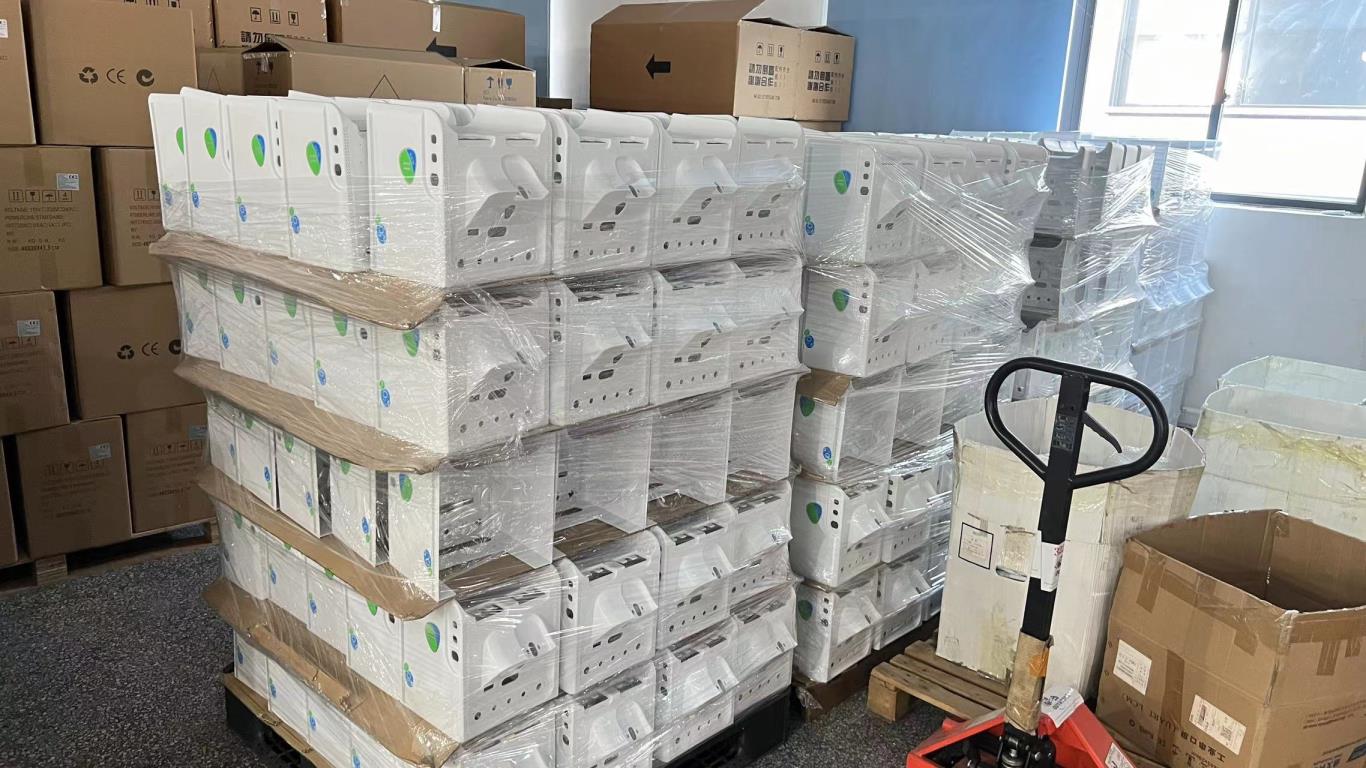
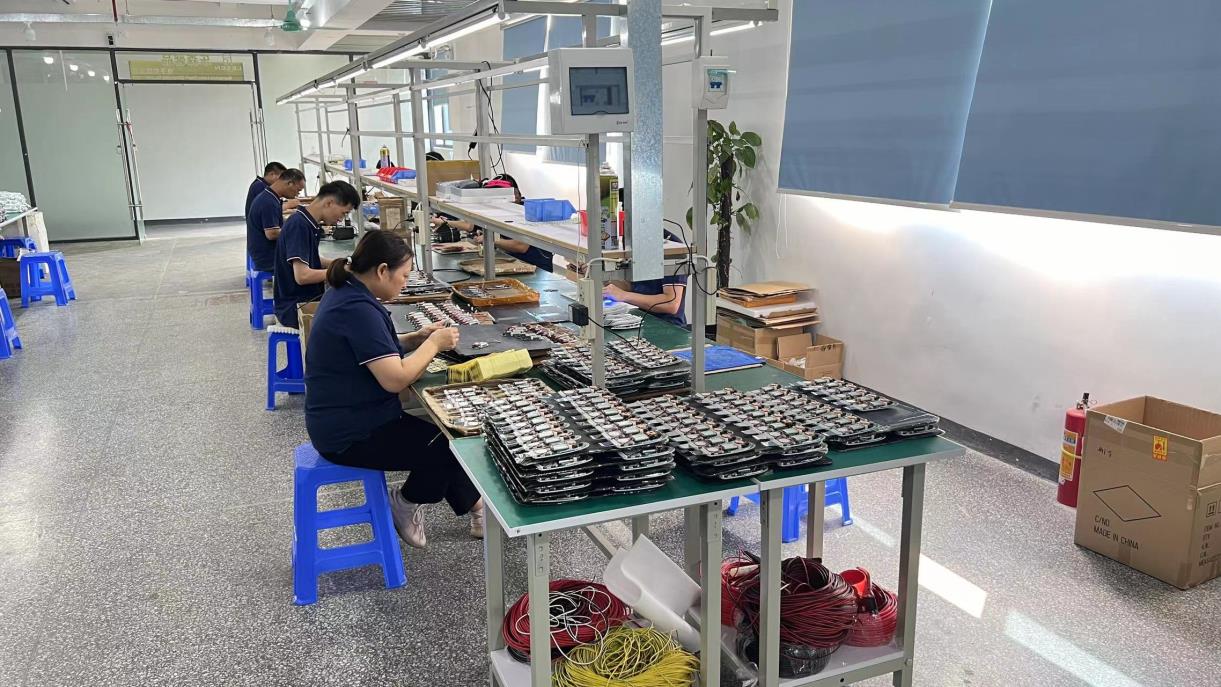
Factory-Direct Quality & Rigorous Testing

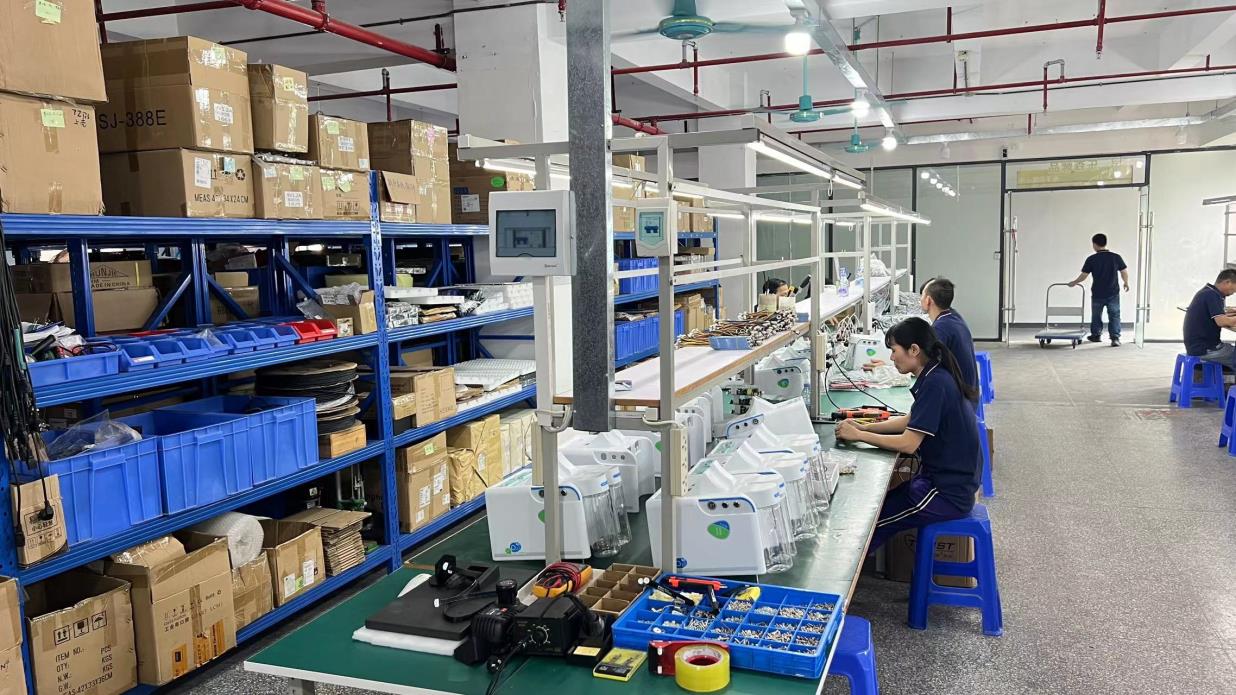
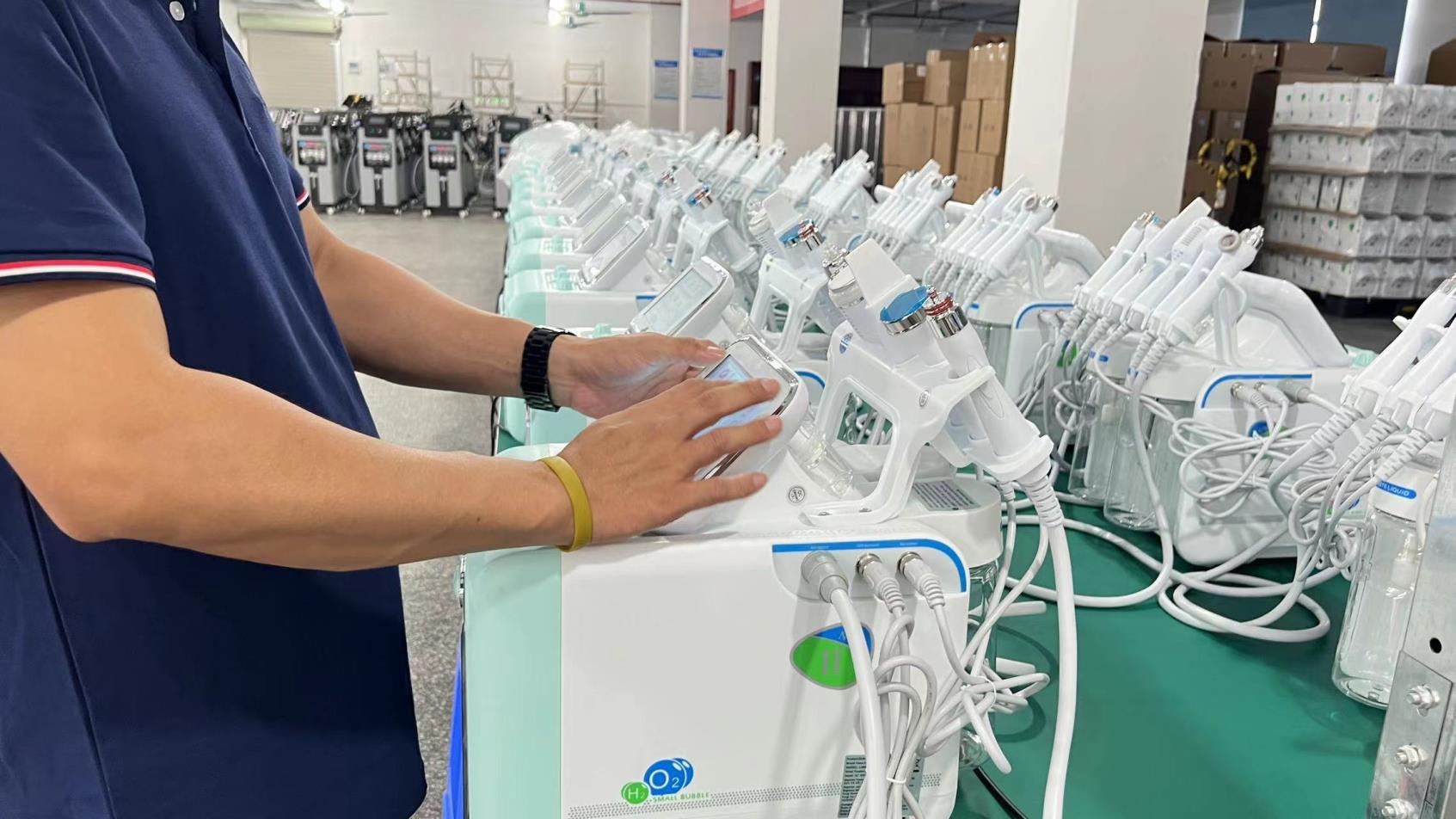
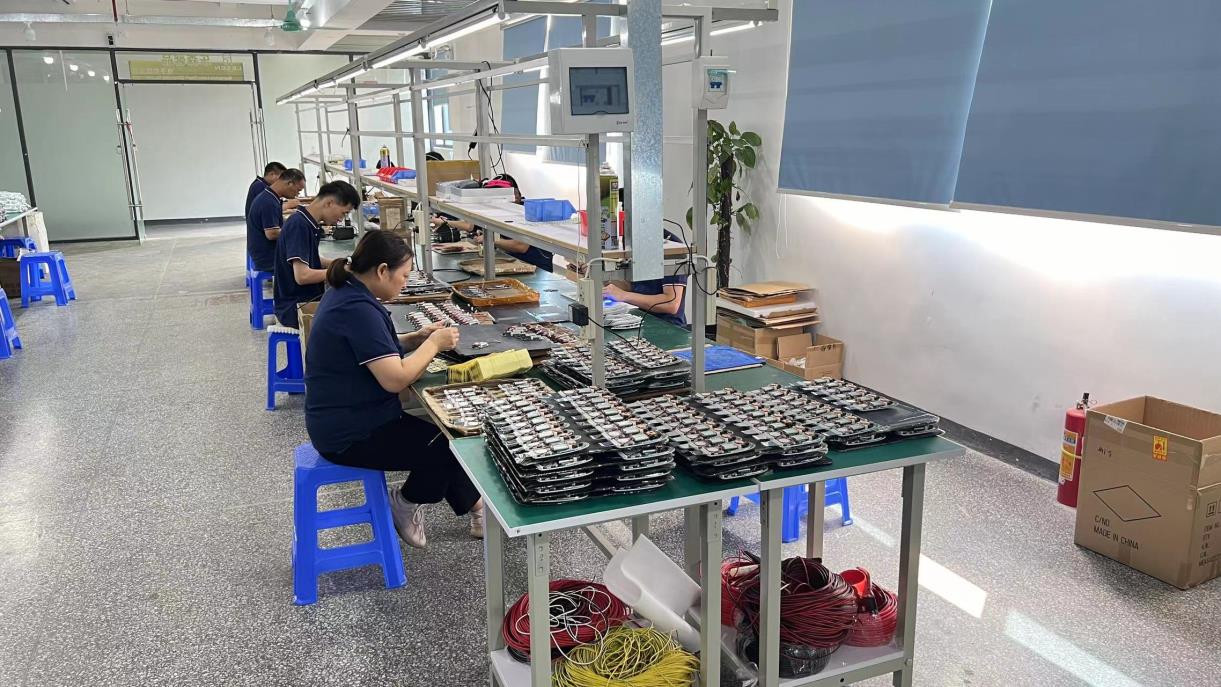
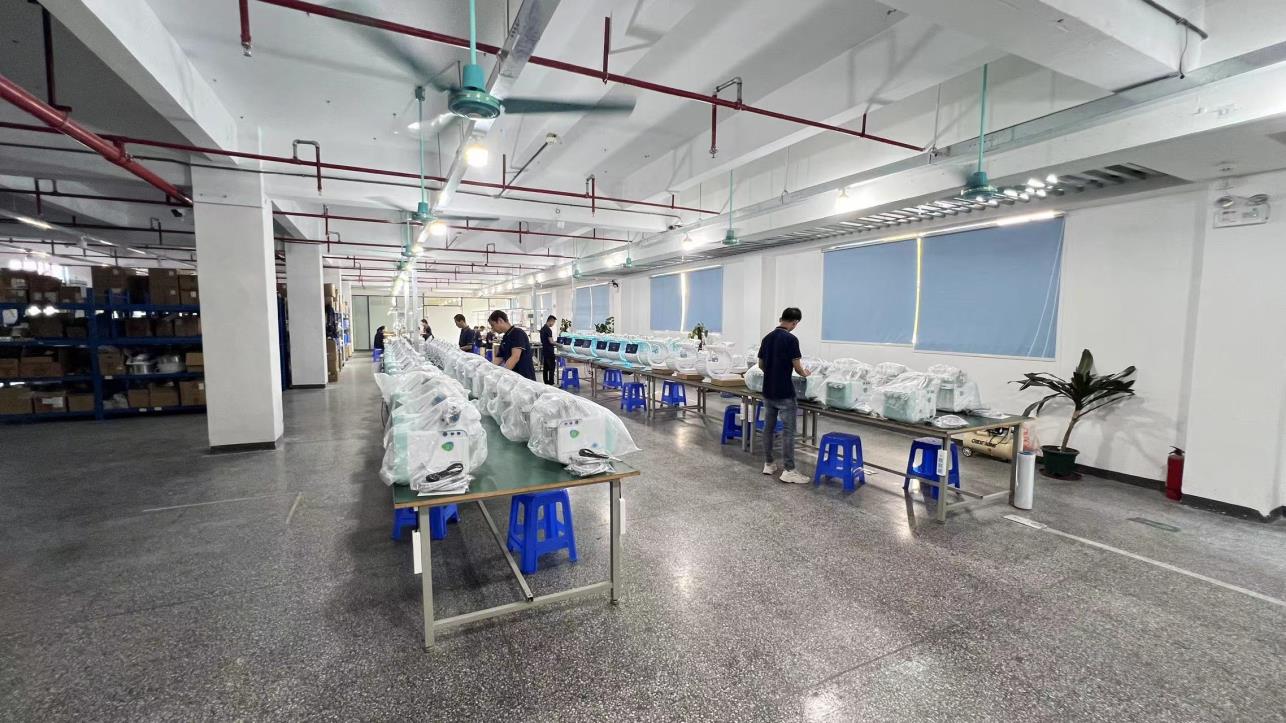
Shenzhen Yiki Beauty Co., Ltd. Manufacturing Facility

Take a look inside our cleanroom assembly lines and functional test zones. Every device undergoes a rigorous 148-point quality check before global export.

Raw Material Inspection Yiki Beauty
Raw Material Testing
Laser Handpiece Assembly Yiki Beauty
Precision Assembly Line 1
Chassis Integration Yiki Beauty
Precision Assembly Line 2
Functional Calibration Yiki Beauty
Functional Calibration
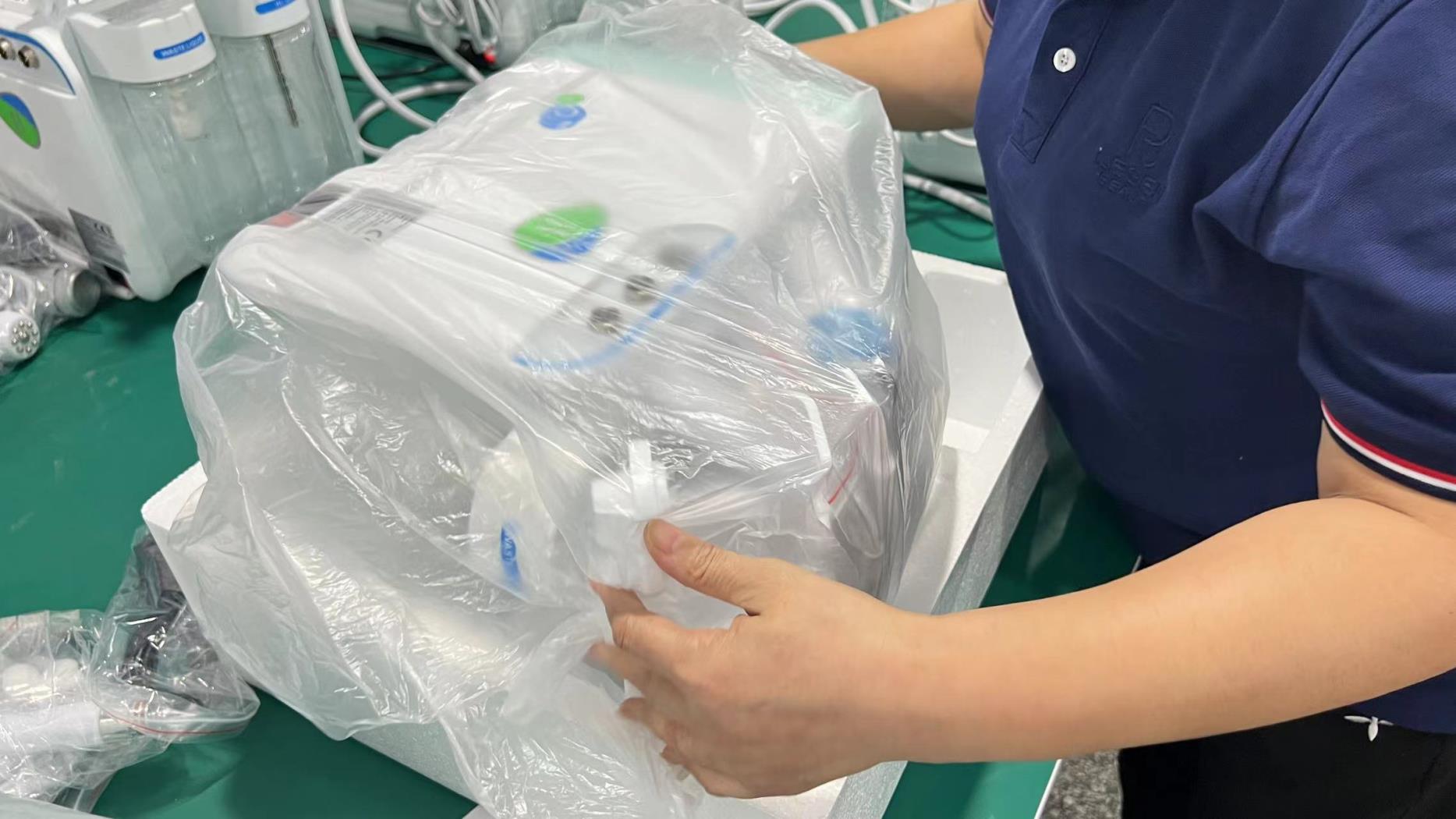
Secure Packaging Yiki Beauty
Export Packaging
Dust-Free Production Hall Yiki Beauty
Production Hall
Burn-In Stress Testing Yiki Beauty
Burn-In Stress Testing
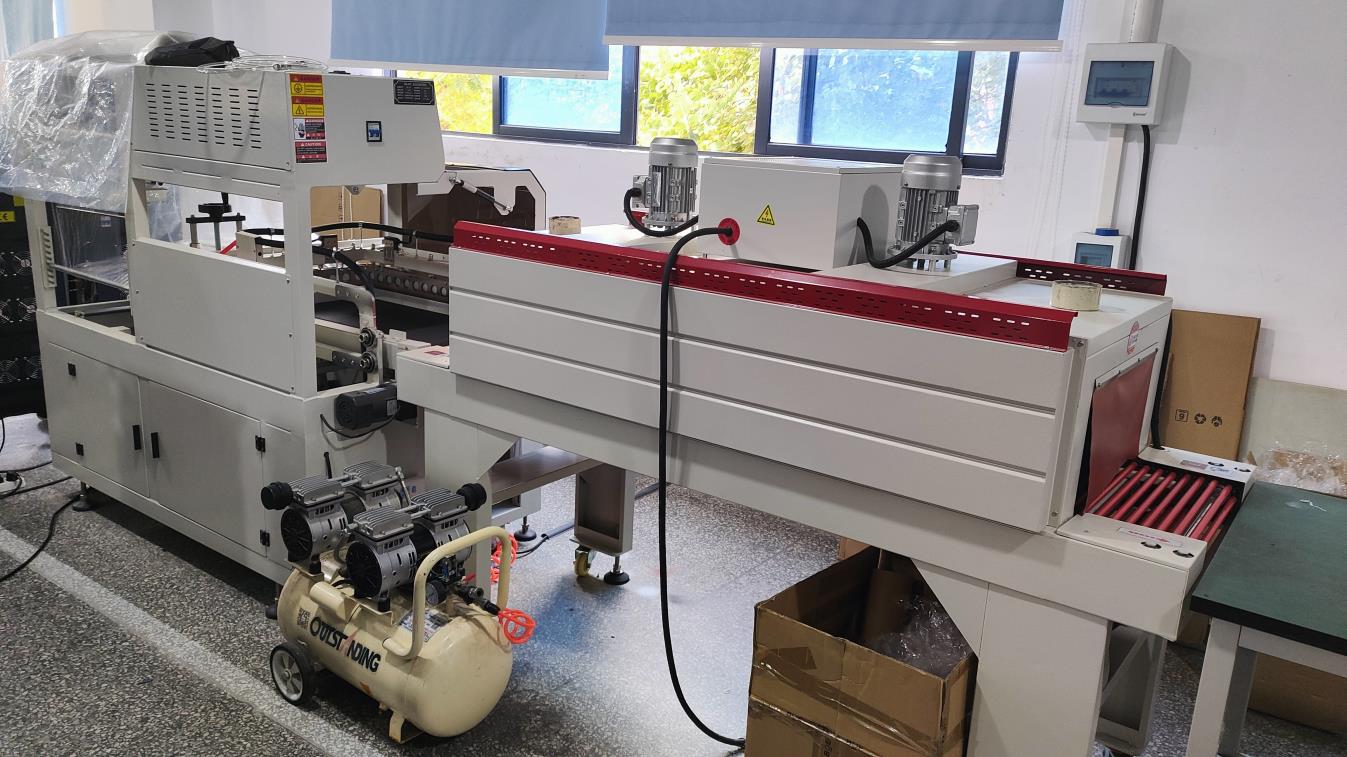
Shrink Wrap Preservation Yiki Beauty
Shrink Wrap Preservation
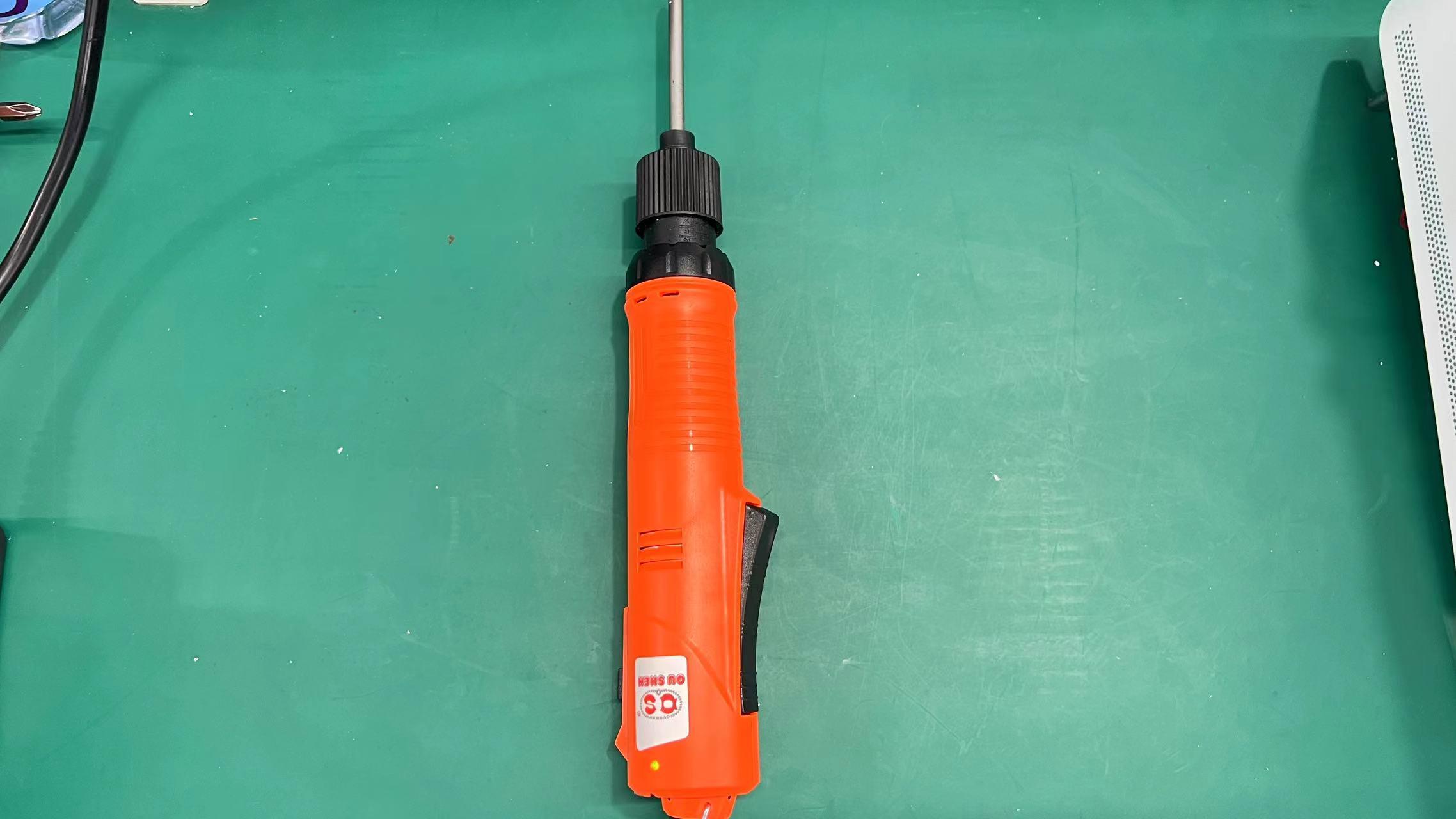
Calibrated Industrial Tools Yiki Beauty
Calibrated Tooling
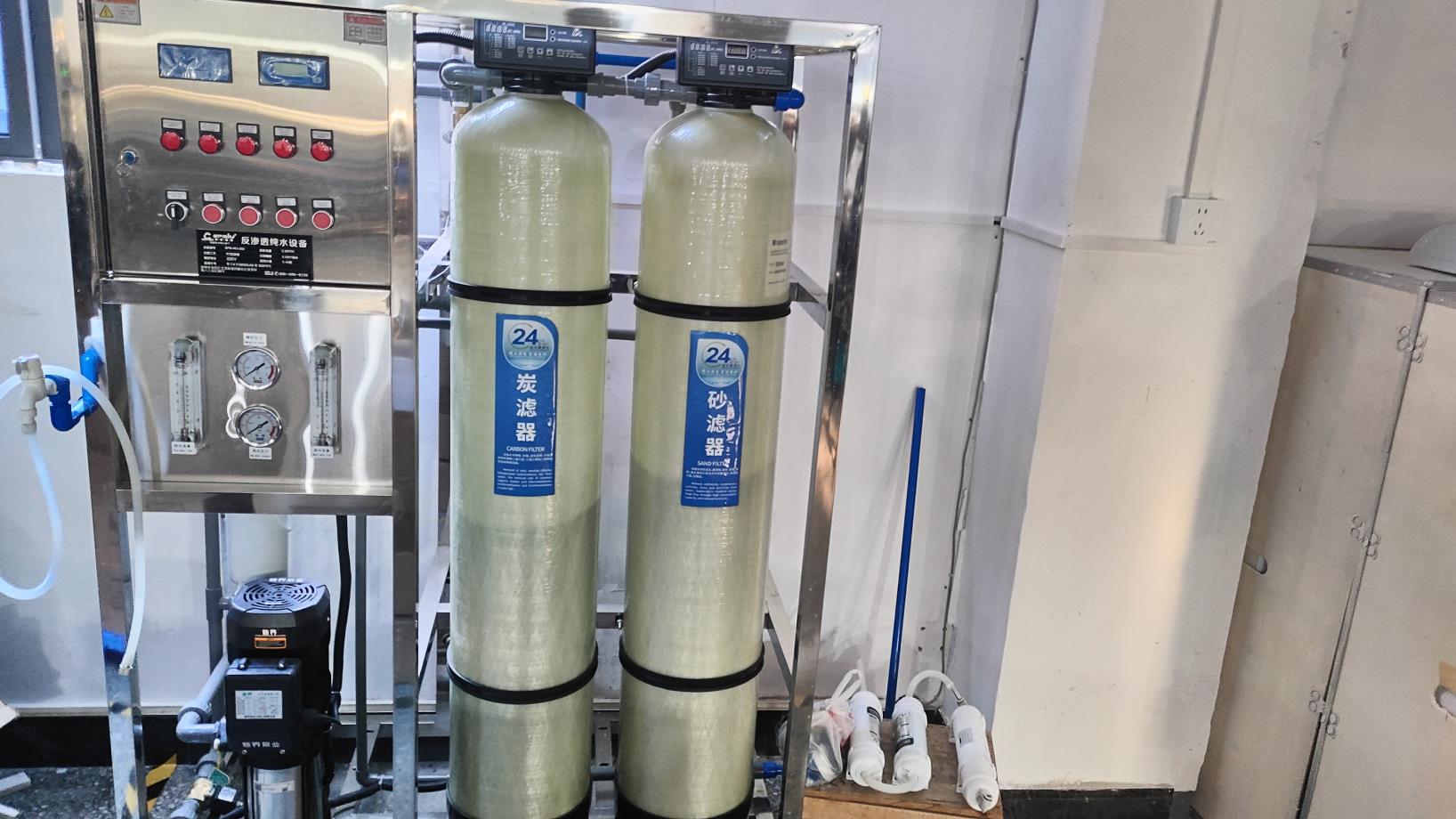
Deionized Water Filtration Yiki Beauty
Water Filtration Systems

About Shenzhen Yiki Beauty Co., Ltd.

Shenzhen Yiki Beauty Co., Ltd. is a professional enterprise integrating R&D, design, manufacturing, and global sales of advanced aesthetic and beauty equipment. The company is built by a team of experienced technical engineers and product designers, with fully in-house capabilities ranging from industrial appearance design and electronic system development to assembly, testing, and packaging.

Yiki Beauty is committed to providing a true one-stop solution for global customers, helping partners reduce complexity in product development, production, and branding. By combining innovative engineering with practical clinical and salon applications, the company continuously delivers safe, effective, and market-oriented beauty devices.

With a strong focus on quality control and technological innovation, Shenzhen Yiki Beauty Co., Ltd. supports OEM and ODM services, as well as private label branding. The company adheres to strict international quality standards and strives to build long-term partnerships with distributors, clinics, salons, and beauty chains worldwide. Our product portfolio covers a wide range of advanced aesthetic technologies, including HI-EMT body contouring machines, laser hair removal systems, Vela body shaping devices, shockwave therapy machines, TECAR therapy equipment, air pressure lymphatic drainage systems, 4D HIFU ultrasound machines, tattoo removal lasers, hydra dermabrasion systems, plasma pens, and various home-use beauty devices. We export to more than 15 major markets, including the United States, Germany, Australia, Canada, Italy, France, the United Kingdom, Spain, Russia, the Netherlands, Switzerland, Ukraine, Poland, Turkey, and Belgium, while continuously expanding our global footprint in emerging markets.

Full Medical Product Range

Industrial Grade Diode Laser Models for Bangladesh Importers

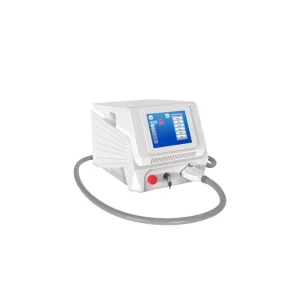
From portable lightweight configurations to high-power commercial platforms, explore our complete list of clinical options.

6. Global Supply Chain Dynamics & OEM/ODM Feasibility

For distributors in Bangladesh, selecting the right manufacturing origin determines long-term profitability. While European and US-branded systems carry significant brand prestige, they present prohibitively high upfront capital requirements (often exceeding $60,000 USD per unit) and expensive replacement parts.

Shenzhen-based manufacturers like Shenzhen Yiki Beauty Co., Ltd. bridge this gap by sourcing critical optical and thermal components globally, assembling them under strict ISO-certified cleanroom conditions, and exporting them at a fraction of the cost.

The Anatomy of a High-Quality Diode Laser System:

When evaluating a Chinese manufacturer for the Bangladesh market, importers should audit three critical subsystems:

  • The Diode Stack (The Heart of the Laser): High-end systems utilize gold-tin bonded diode bars sourced from industry leaders such as Coherent (USA) or Jenoptik (Germany). These bars withstand hundreds of millions of shots without power degradation.
  • The Cooling Mechanism (Thermoelectric & Water): Diode stacks produce immense heat. Without constant thermal management, the diode bars will burn out. High-quality devices utilize dual-pump water filtration systems coupled with TEC (Thermoelectric Cooling) plates or micro-channel copper cooling bars to maintain water temperatures below 25°C.
  • The Power Supply: Sustaining high power outputs (such as 3000W or 2000W) requires medical-grade power supply units capable of delivering stable current pulses without voltage spikes.

7. Technical Comparison: Standard Diode vs. Multi-Wavelength Systems

For clinic directors in Dhaka and Chittagong deciding on their next capital investment, here is a detailed breakdown of how standard single-wavelength systems compare to modern multi-wavelength platforms:

Standard 808nm Systems: Highly effective for average Fitzpatrick Types III-IV. They target the melanin pigment directly but require careful adjustments and experienced technicians to prevent skin damage in darker skin tones.

Multi-Wavelength Systems (755nm + 808nm + 940nm + 1064nm): Provide a comprehensive clinical solution. The 1064nm wavelength targets the deep hair follicle papilla without competing with epidermal melanin, making it safe for Fitzpatrick V and VI. The 940nm wavelength targets hemoglobin to disrupt the follicle's micro-vascular support, while the 755nm wavelength treats remaining fine hair. This approach delivers safer treatments and higher clearance rates in fewer sessions.

8. FAQ: Navigating Diode Laser Investment in Bangladesh

Q: What is the average ROI for a 3000W Diode Laser device in a Dhaka-based clinic?
A: With a mid-to-high-end clinic charging between 5,000 to 12,000 BDT per session (depending on the target body area), a clinic performing 5 to 8 treatments a day can expect to recoup the machine's initial capital expenditure within 4 to 6 months. High shot lifespans (up to 100 million shots) ensure long-term profitability.
Q: How does Yiki Beauty guarantee safe treatments on Fitzpatrick Skin Type V and VI in Bangladesh?
A: We integrate the 1064nm wavelength into our diode arrays, which has lower absorption by epidermal melanin and deep dermal penetration. Combined with our dual-TEC sapphire contact cooling tip that chills the skin to -5°C to -10°C, the skin surface remains protected during energy delivery.
Q: What are the power requirements for operating these devices in Bangladesh?
A: Our devices are built to support standard AC 220V/110V (50/60Hz) power grids. Given occasional voltage fluctuations in Bangladesh, we advise clinics to use an external high-power voltage stabilizer (typically 3kVA to 5kVA) to protect the sensitive internal electronic boards.
Q: How are spare parts and technical support handled post-purchase?
A: Yiki Beauty provides a comprehensive 2-year warranty on all clinical units. We ship standard replacement components (such as water filters, outer handpiece shells, and power cords) along with the primary machine. In case of technical faults, our engineers provide remote video diagnostic support within 24 hours.
Q: Can the software interface be customized for local clinics?
A: Yes, through our ODM/OEM services, we can customize the Android UI software to include local branding, pre-set skin type parameters specifically configured for South Asian phenotypes, and custom language options.