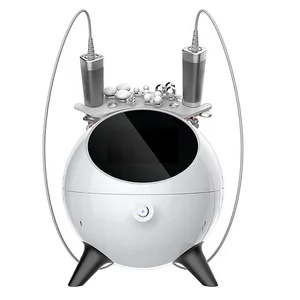
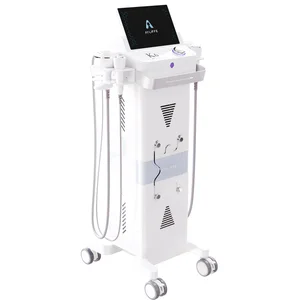
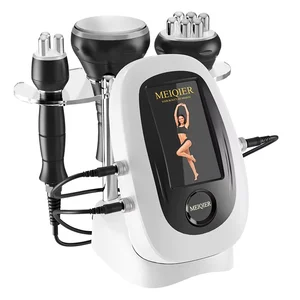
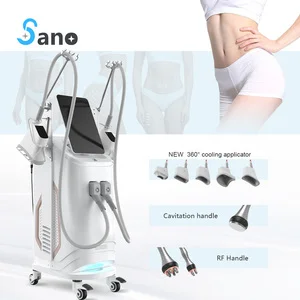
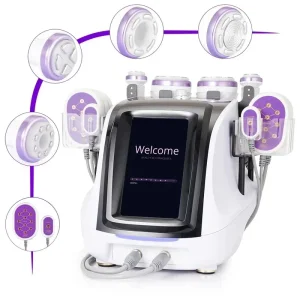
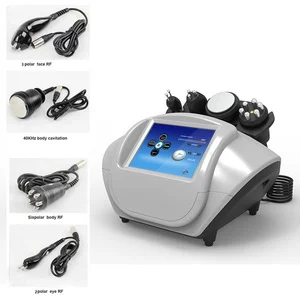
The Definitive B2B Procurement Whitepaper on Non-Invasive Body Contouring Technologies & Medical Aesthetics Supply Chain in the Balkan Region
Over the past decade, the global medical aesthetics market has witnessed a monumental transition from invasive surgical procedures to highly effective, zero-downtime, non-invasive therapies. In Eastern Europe, and specifically within the Republic of Serbia, this trend is expanding at an unprecedented compound annual growth rate (CAGR). Advanced multi-technology body contouring devices—principally those incorporating Ultrasonic Cavitation, Radio Frequency (RF) thermal energy, vacuum suction, and cryo-lipolysis—have become the core financial engine for progressive aesthetic clinics, dermatological practices, and high-end wellness salons across Belgrade, Novi Sad, and Niš.
This whitepaper analyzes the current commercial dynamics, technical pathways, regulatory environments, and procurement structures for professional Cavitation RF slimming equipment supplied from Shenzhen, China, to medical and beauty businesses in Serbia. As direct-to-manufacturer supply chains replace intermediary European distributors, Serbian buyers are uniquely positioned to leverage substantial capital efficiency. Achieving this requires strict alignment with local safety standards, European CE regulations, and clinical efficacy benchmarks.
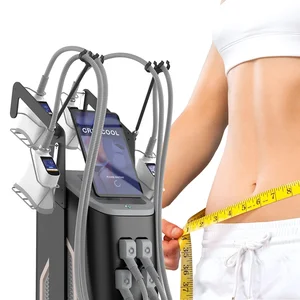
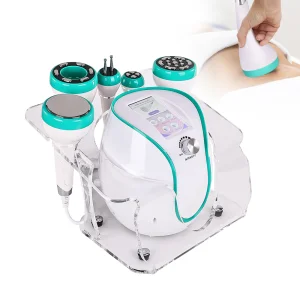
Serbia represents a vibrant, transitioning market within the Balkan region. Following substantial urbanization and economic growth, cities like Belgrade, Novi Sad, Niš, and Kragujevac have seen a rapid proliferation of aesthetic medical practices, anti-aging clinics, and weight-management centers. Consumer purchasing behavior in Serbia is heavily influenced by Western European beauty standards, combined with an increasing preference for non-invasive treatments over surgical options. This trend is driven by two main factors: affordability and minimal recovery times.
Furthermore, medical and wellness tourism has emerged as a significant economic driver. Patients from neighboring countries—including Croatia, Bosnia & Herzegovina, Montenegro, and Austria—frequently travel to Belgrade for high-caliber dermatological and cosmetic treatments. To remain competitive, Serbian clinic owners require state-of-the-art multi-technology platforms that can deliver visible fat reduction and skin tightening in single or double-session treatment plans.
From a B2B perspective, sourcing equipment directly from leading global hubs like Shenzhen enables Serbian aesthetic entrepreneurs to bypass high European import markups. Rather than paying premium retail prices to secondary distributors, direct sourcing allows clinics to maximize their return on investment (ROI). This cost advantage can then be used to offer competitive local pricing or to fund localized marketing campaigns within the Balkan territory.
To understand the therapeutic efficacy of these systems, it is essential to analyze the biophysical processes that occur when tissue interacts with acoustic and electromagnetic energy.
Ultrasonic energy is delivered into the subcutaneous adipose layer via a specialized transducer, typically operating at 40KHz or 80KHz. This low frequency allows the sound waves to penetrate deep enough to reach localized fat deposits.
As the acoustic waves propagate through the tissue, they alternate between high-pressure (compression) and low-pressure (rarefaction) cycles. During the low-pressure cycle, micro-bubbles expand within the interstitial fluid surrounding the adipocytes (fat cells). In the subsequent high-pressure cycle, these bubbles collapse violently. This process generates localized shockwaves, high temperatures, and intense shear stress, which break down the membranes of the targeted fat cells.
Once the adipocyte membranes are disrupted, the released triglycerides and cellular debris enter the lymphatic system. At this stage, Radiofrequency (RF) energy is applied to the skin.
Using multi-polar configurations (ranging from tri-polar to octapolar arrangements), high-frequency electrical currents flow through the dermis and subcutaneous layers. Because fat tissue has higher electrical resistance compared to the dermis, it selectively heats up. Keeping target temperatures between 40°C and 43°C triggers two key reactions: it causes immediate contraction of existing collagen fibers, and it stimulates fibroblasts to synthesize new collagen. The result is a visible tightening of the skin and a smoother overall texture.
| Technology Component | Operating Parameter | Primary Physiological Mechanism | Clinical Indication |
|---|---|---|---|
| Ultrasonic Cavitation | 35KHz - 80KHz, Up to 50W/cm² | Acoustic cavitation, micro-bubble implosion, adipocyte membrane lysis | Localized adiposity, stubborn fat pockets, cellulite reduction |
| Multi-Polar RF | 1MHz - 5MHz, Bi-polar to Octapolar | Controlled volumetric heating, collagen denaturation, neocollagenesis | Skin laxity, dermal remodeling, post-pregnancy abdomen recovery |
| Endermologie / Vacuum | 600mmHg Pulsed / Continuous | Mechanical lymphatic drainage, microcirculation enhancement | Edema reduction, metabolic clearance of emulsified lipids |
| Diathermy (RET/CET) | 448KHz (Indiba Standard) | Deep ion mobility, sub-thermal to thermal biostimulation | Visceral fat reduction, deep-tissue rehabilitation, facial rejuvenation |

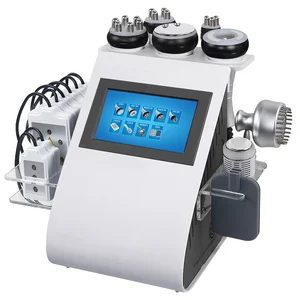
Yiki Beauty is committed to providing comprehensive, one-stop solutions for global partners, helping distributors and clinics streamline product development, production, and branding. By combining practical clinical and salon needs with engineering, the company manufactures reliable, safe, and effective beauty devices. We support OEM/ODM services and private label branding under strict international quality standards, building long-term partnerships with distributors, clinics, salons, and beauty chains worldwide.
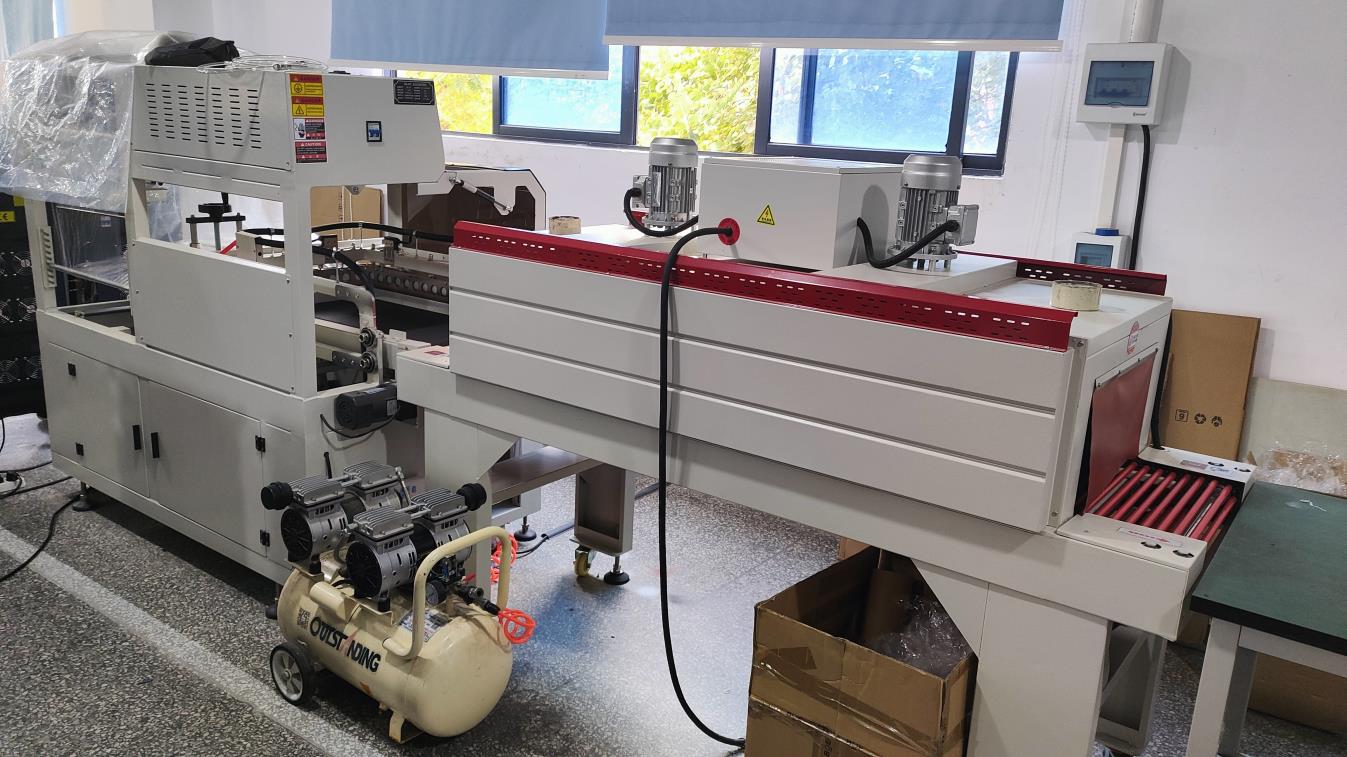
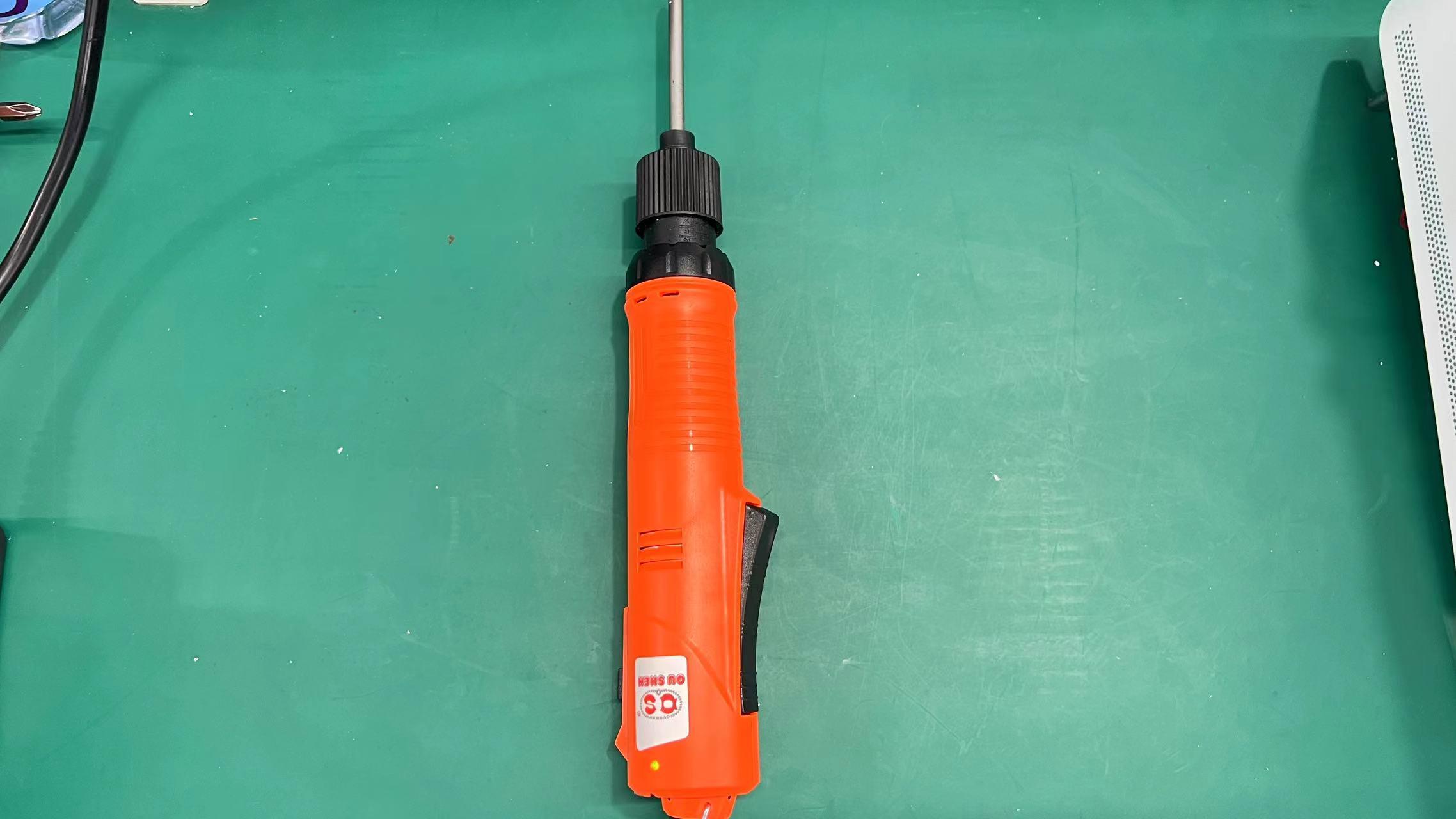
To ensure every machine exported to Serbia complies with international standards, Yiki Beauty maintains rigorous, document-controlled quality checks at each step of the manufacturing process.
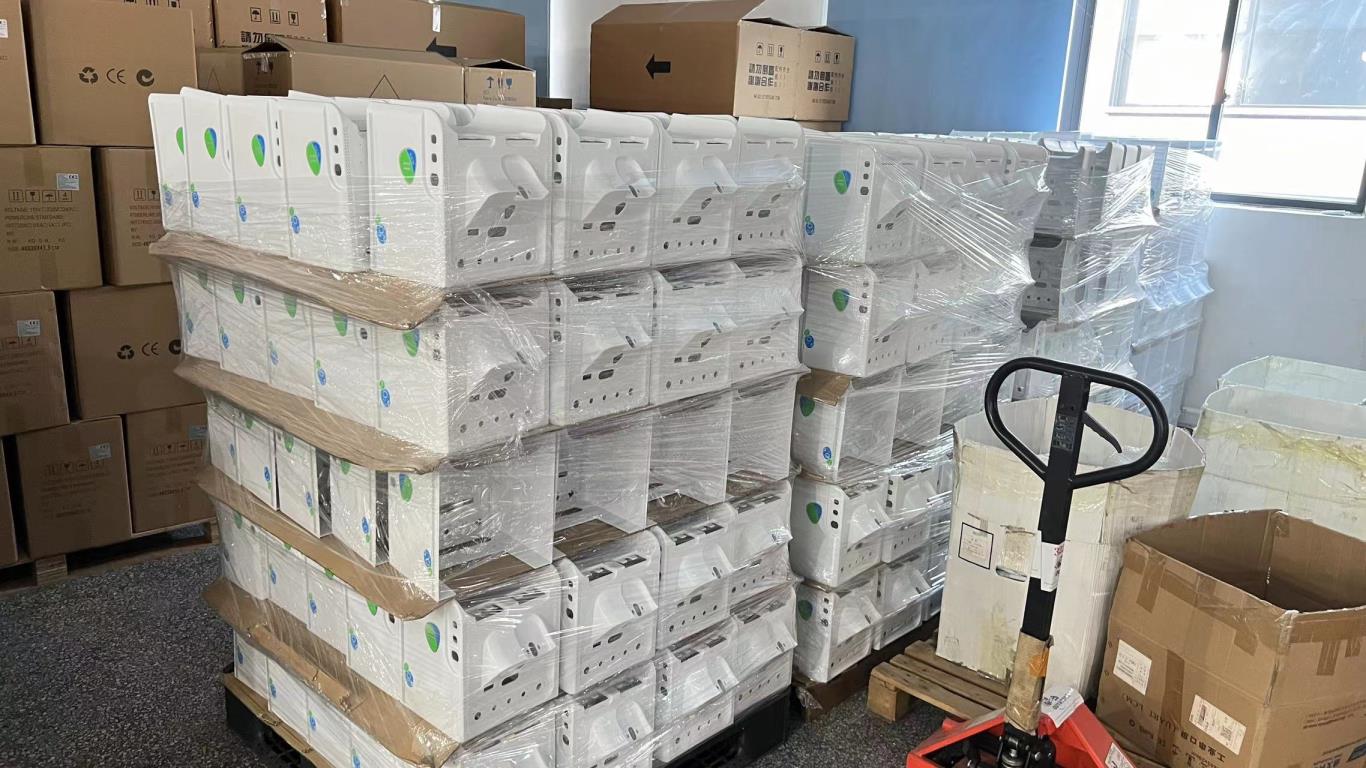
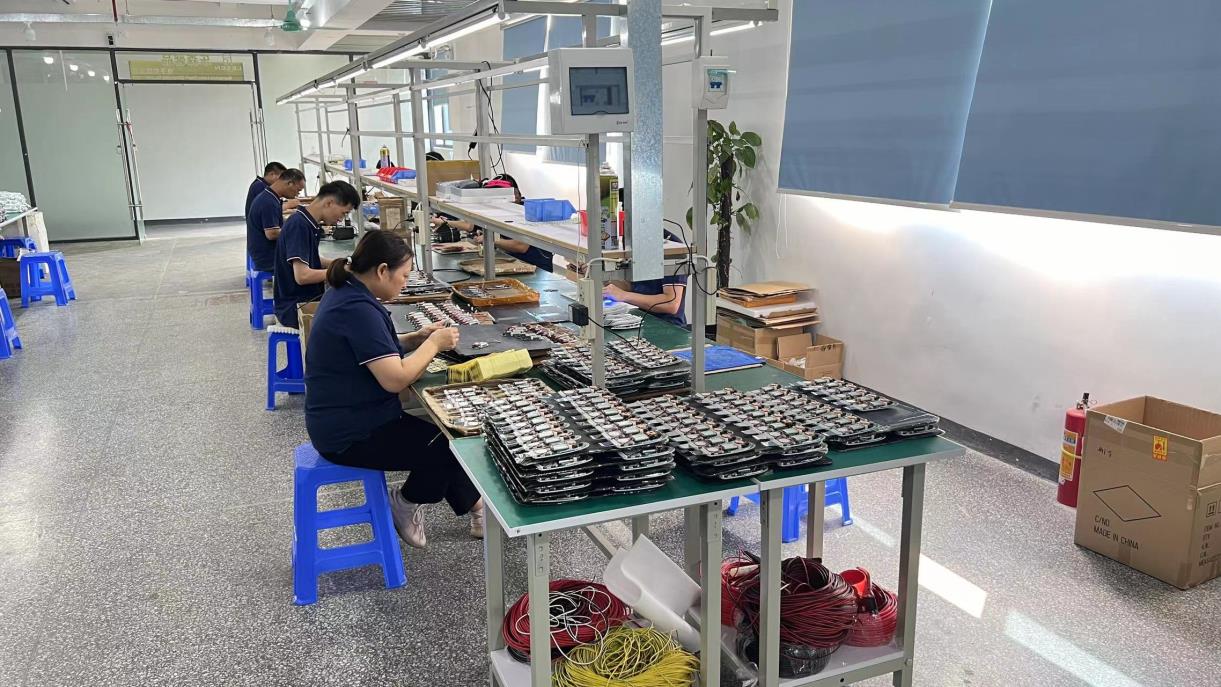
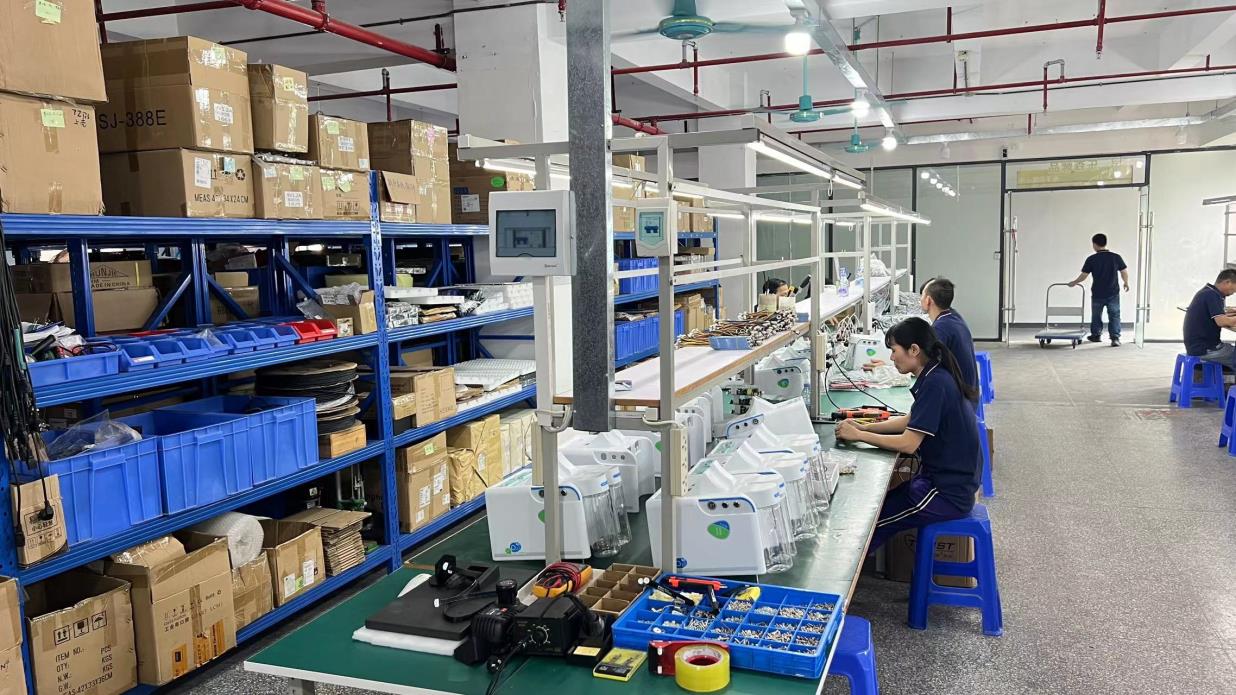
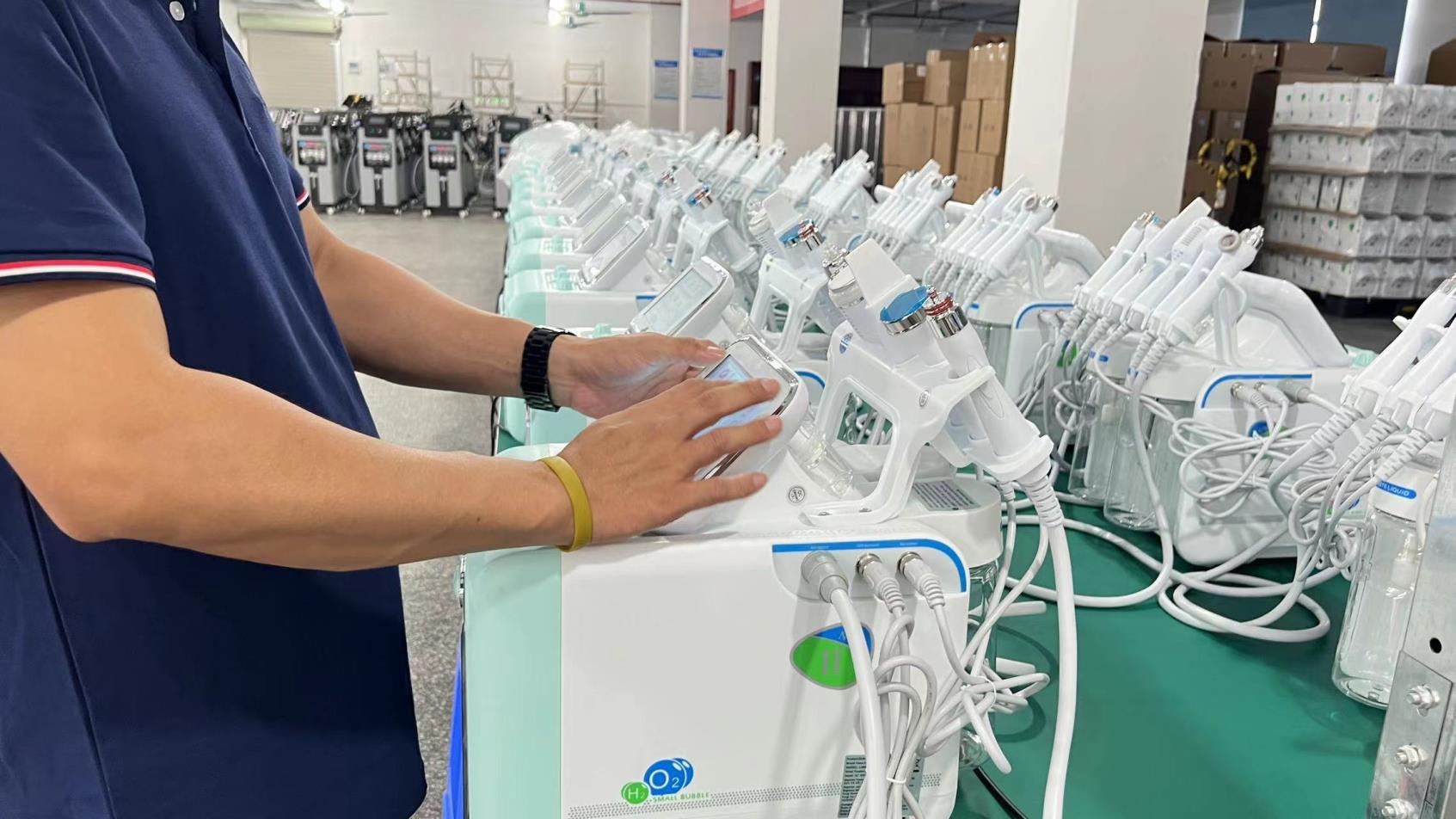
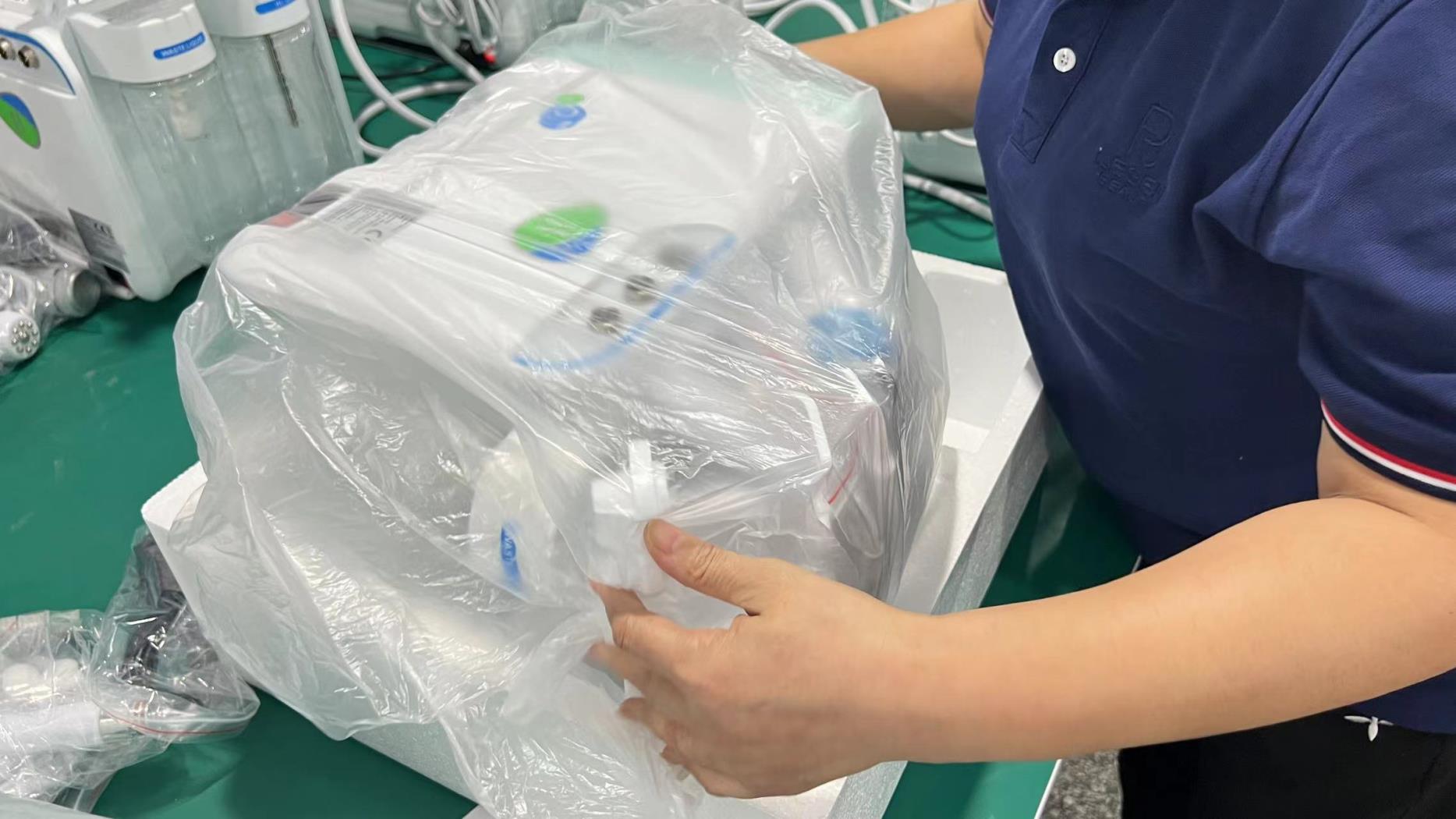
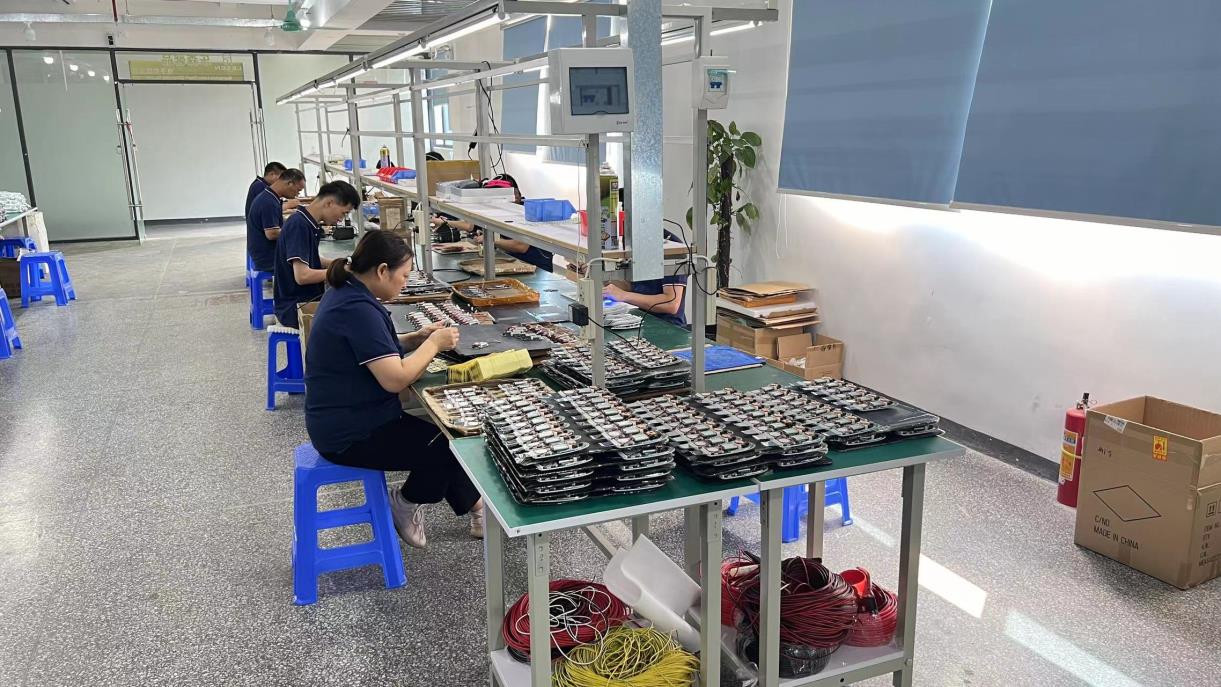
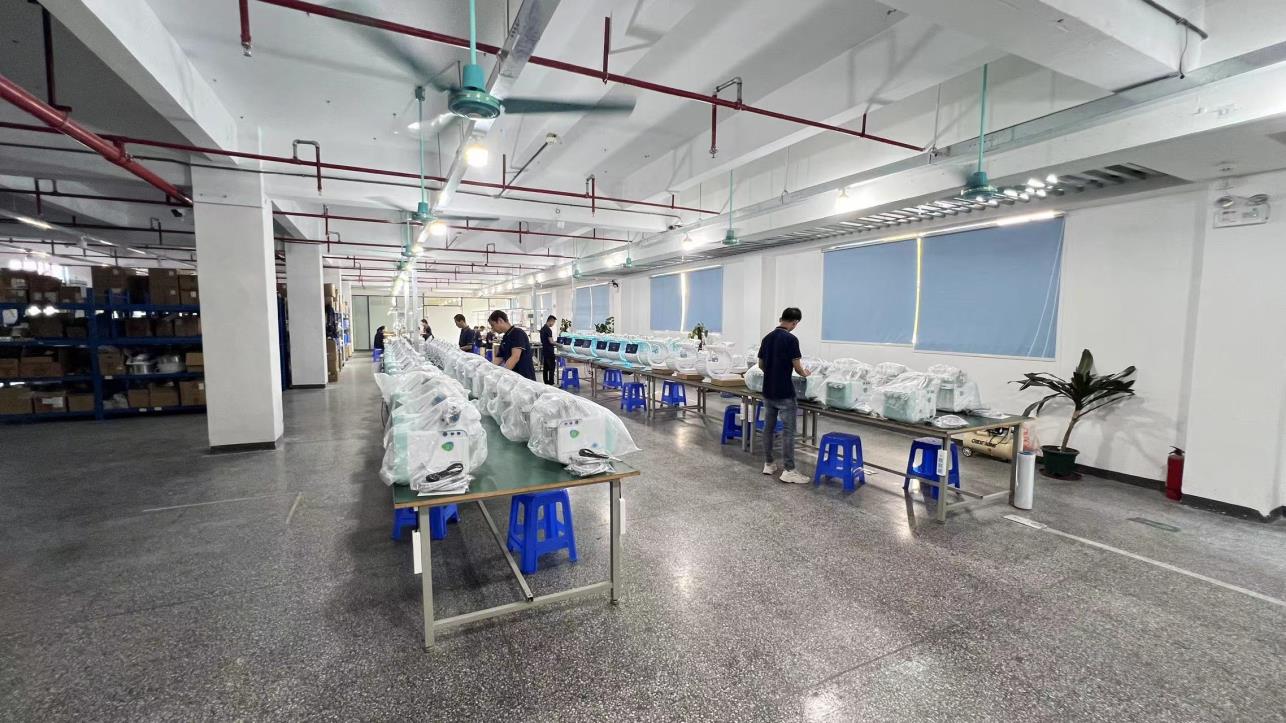

Importing beauty equipment into Serbia requires careful navigation of both regional and national regulatory frameworks. While Serbia is in the process of aligning its medical device guidelines with the EU Medical Device Regulation (MDR 2017/745), the primary authority managing these products is ALIMS (Agencija za lekove i medicinska sredstva Srbije - Medicines and Medical Devices Agency of Serbia).
Depending on whether a device is classified as a professional cosmetic system or a medical device, importers must provide specific documentation. At Yiki Beauty, we assist Serbian B2B buyers by providing comprehensive technical documentation, including:
We offer flexible shipping solutions to Serbia, including air freight to Belgrade Nikola Tesla Airport (BEG) for time-sensitive orders, or maritime transport to European transit ports (such as Thessaloniki, Greece, or Rijeka, Croatia) followed by overland shipping to final destinations in Belgrade, Novi Sad, or Niš.
The non-invasive body contouring sector is evolving towards higher integration and smarter operations. Future developments focus on:

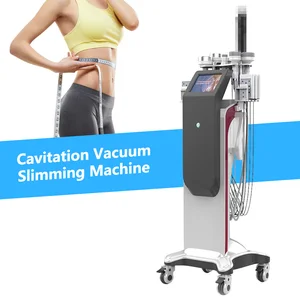
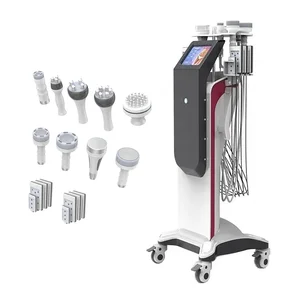
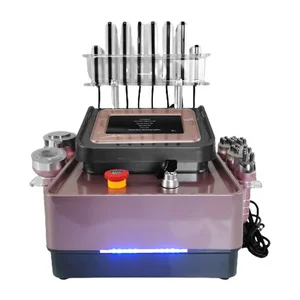
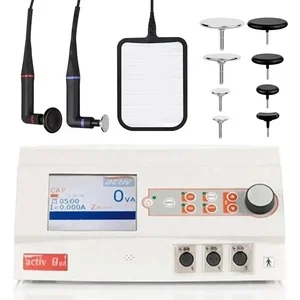
Partner with Shenzhen Yiki Beauty Co., Ltd. for direct factory pricing, certified equipment quality, and dedicated supply chain support customized for the Serbian market.
 Yiki Beauty