Precision-engineered systems engineered for maximum physiological response and clinical efficacy.
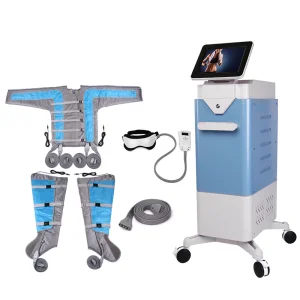
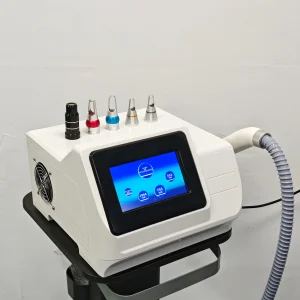
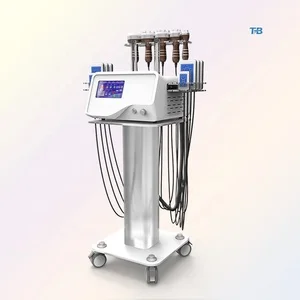
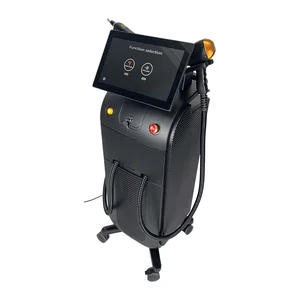
How the convergence of semiconductor technology and aesthetic medicine is redefining photobiomodulation standards globally.
Modern LED phototherapy relies heavily on the scientific principles of photobiomodulation (PBM). Unlike conventional thermal lasers that ablate or damage tissues to trigger secondary healing, LED phototherapy uses narrow-band wavelengths to stimulate mitochondrial activity without elevating tissue temperature. When cells absorb photons from specific light spectra (typically between 415nm blue and 830nm near-infrared), the intracellular photoreceptor cytochrome c oxidase (CCO) is activated.
This enzymatic activation accelerates the mitochondrial electron transport chain, boosting the synthesis of adenosine triphosphate (ATP), modulating reactive oxygen species (ROS), and prompting the release of nitric oxide (NO). The clinical result is improved cellular repair, reduced inflammation, and accelerated microcirculation. As leading manufacturers, China's high-tech factories have transitioned from simple LED bulb arrays to medical-grade, high-irradiance Surface Mounted Devices (SMDs) to ensure these biophysical pathways are triggered efficiently.
The global medical-aesthetic market is shifting toward dual and multi-wavelength treatments. Distributing companies and medical professionals no longer purchase single-spectrum devices. They demand sophisticated equipment capable of delivering multiple wavelengths simultaneously or sequentially. There is also a major trend toward combining LED phototherapy with other modalities—such as vacuum rolling, RF cavitation, and EMS muscle stimulation.
Additionally, safety standards are stricter than ever. Medical clinics require certifications like FDA 510(k), CE Medical Device Regulation (MDR), and ISO 13485 to ensure therapeutic reliability. High-end devices must feature stable output profiles, meaning the irradiance doesn't decay as the LED driver gets warm. This requires advanced thermal management systems, such as custom copper core PCBs and silent cooling fans.
Why Shenzhen and adjacent industrial zones represent the pinnacle of global medical electronics and phototherapy assembly.
Shenzhen's industrial cluster allows factories to source optical chips, driver circuits, heat sinks, and custom-molded housings within a 50-mile radius. This setup reduces production lead times and keeps prototyping swift.
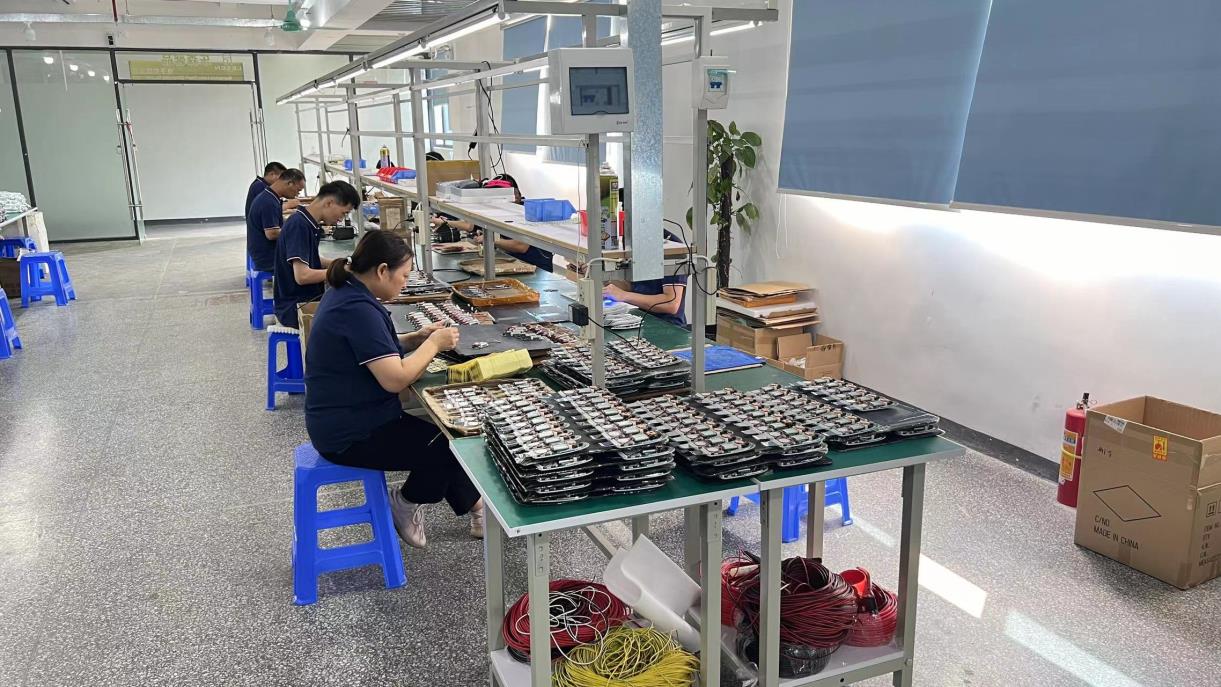
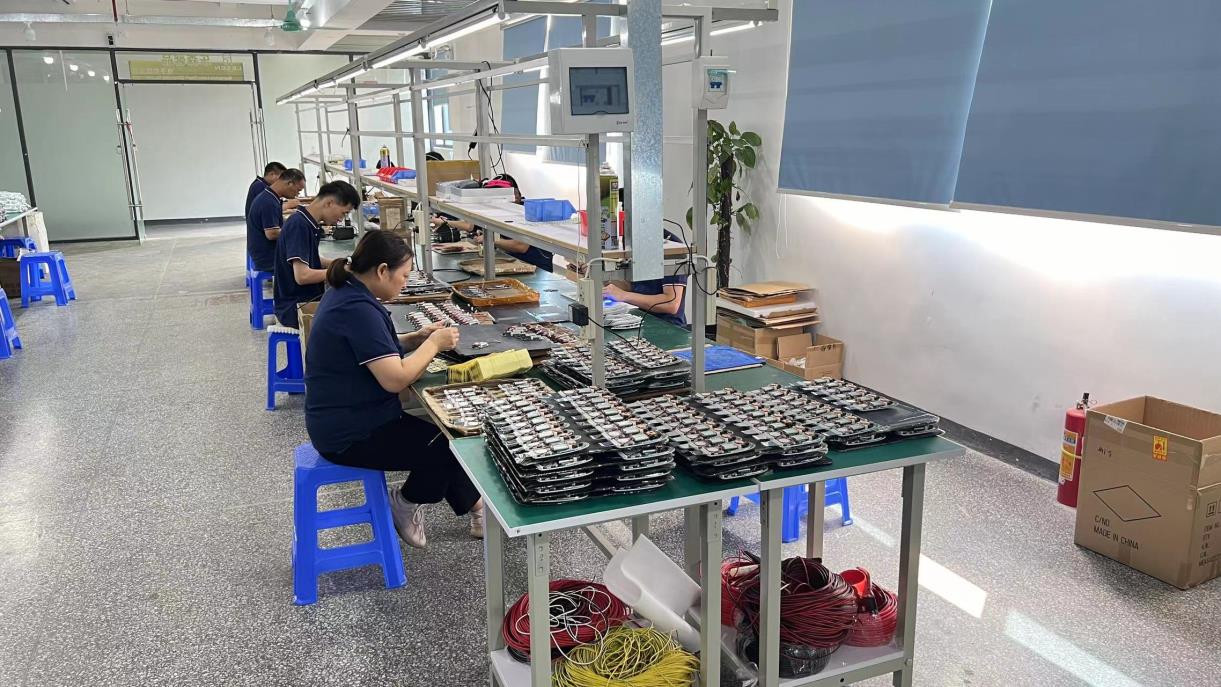
By automating SMD pick-and-place lines, factories maintain high solder connection quality, reducing panel failure rates to less than 0.1% while maintaining competitive manufacturing costs.
Advanced factories utilize automated optical inspection (AOI) alongside spectrophotometers to verify optical output, beam divergence, and power safety, matching European and US market standards.
The manufacturing ecosystem of medical-grade beauty machinery in China has evolved beyond simple assembly. In the past, companies imported high-cost key components from Japan or Germany. Today, local high-tech clusters in southern China produce medical-grade laser diodes, high-density LED arrays, RF generators, and central processing units with similar or superior tolerances. This development gives manufacturers like Shenzhen Yiki Beauty Co., Ltd. the capability to offer fully customized OEM/ODM options to overseas distributors, allowing brands to launch clinic-ready systems with lower upfront design costs.
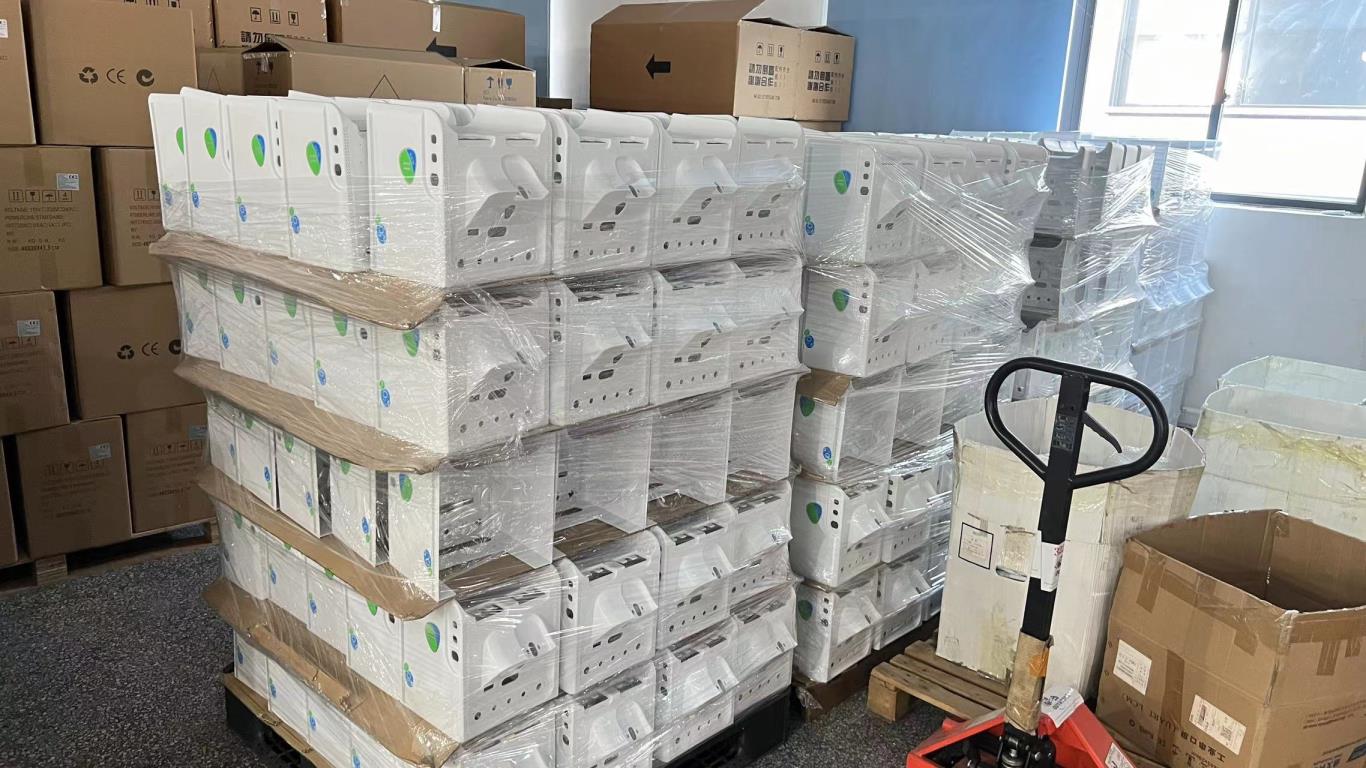
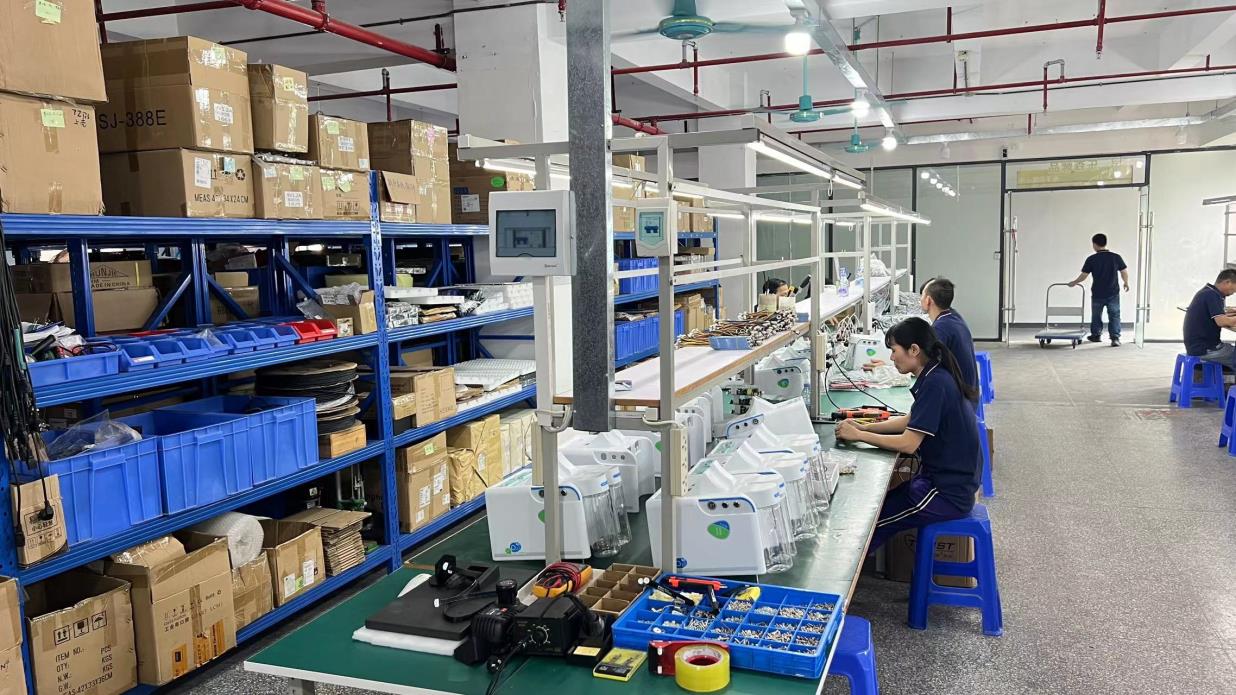
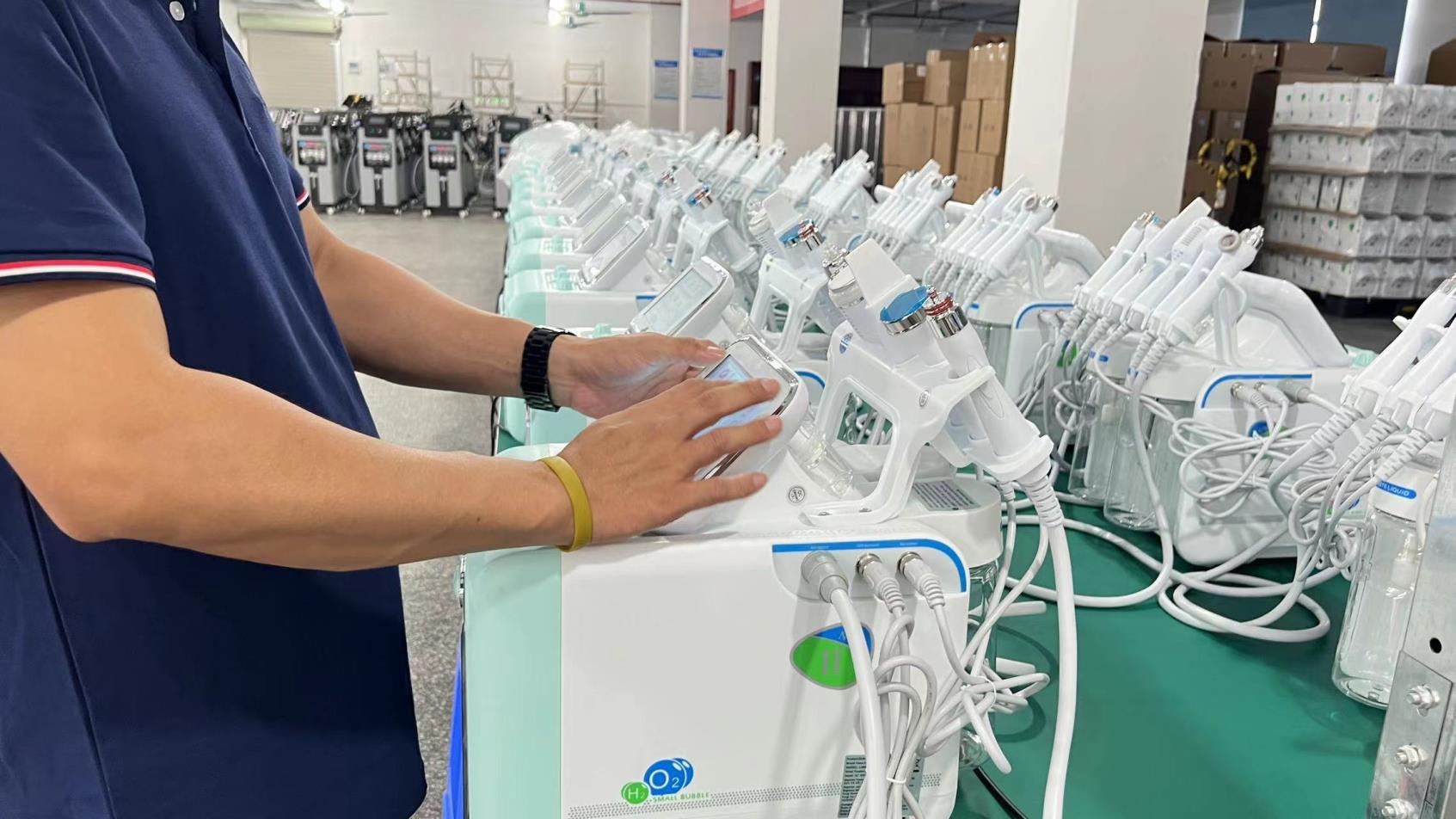
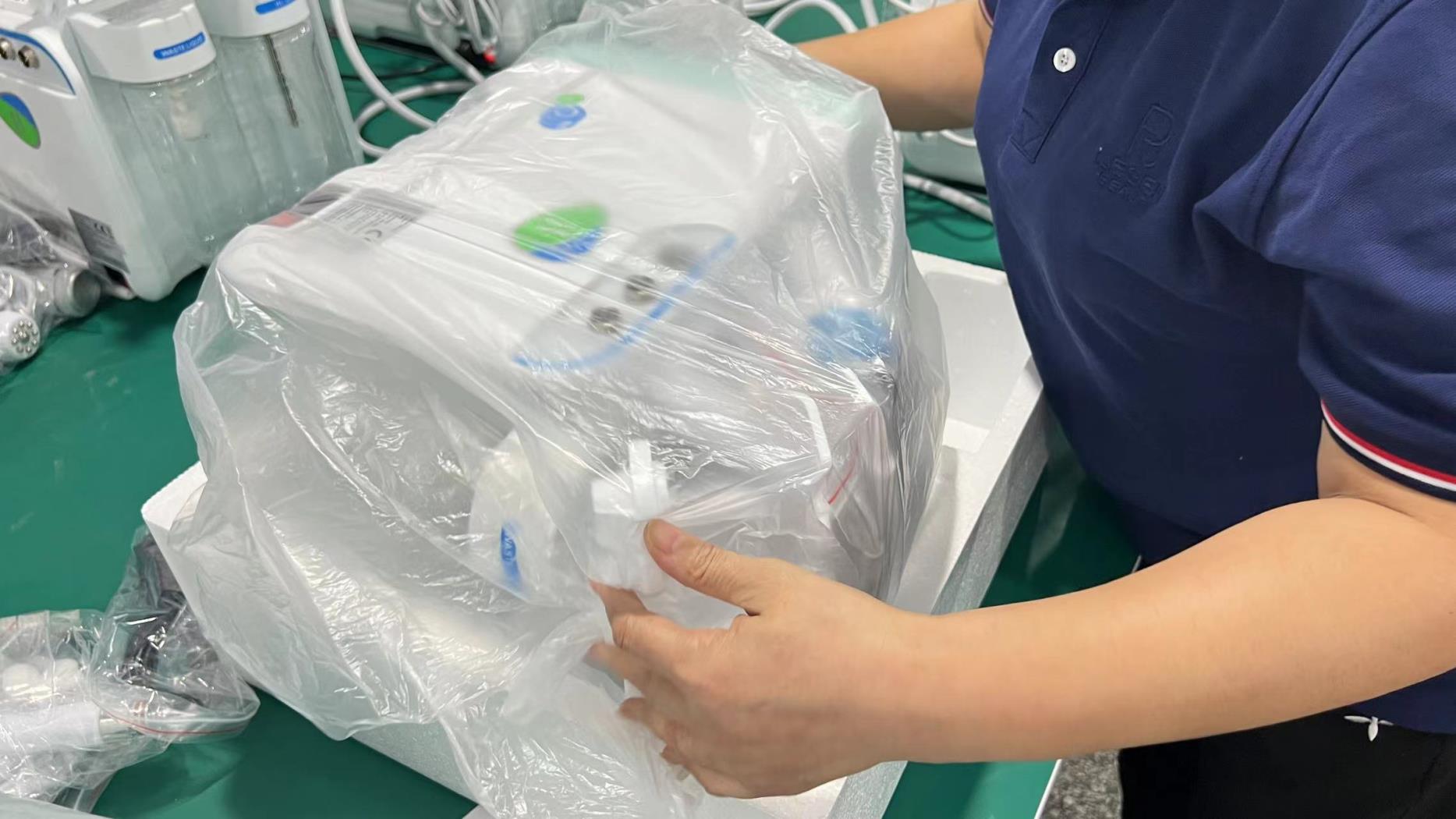
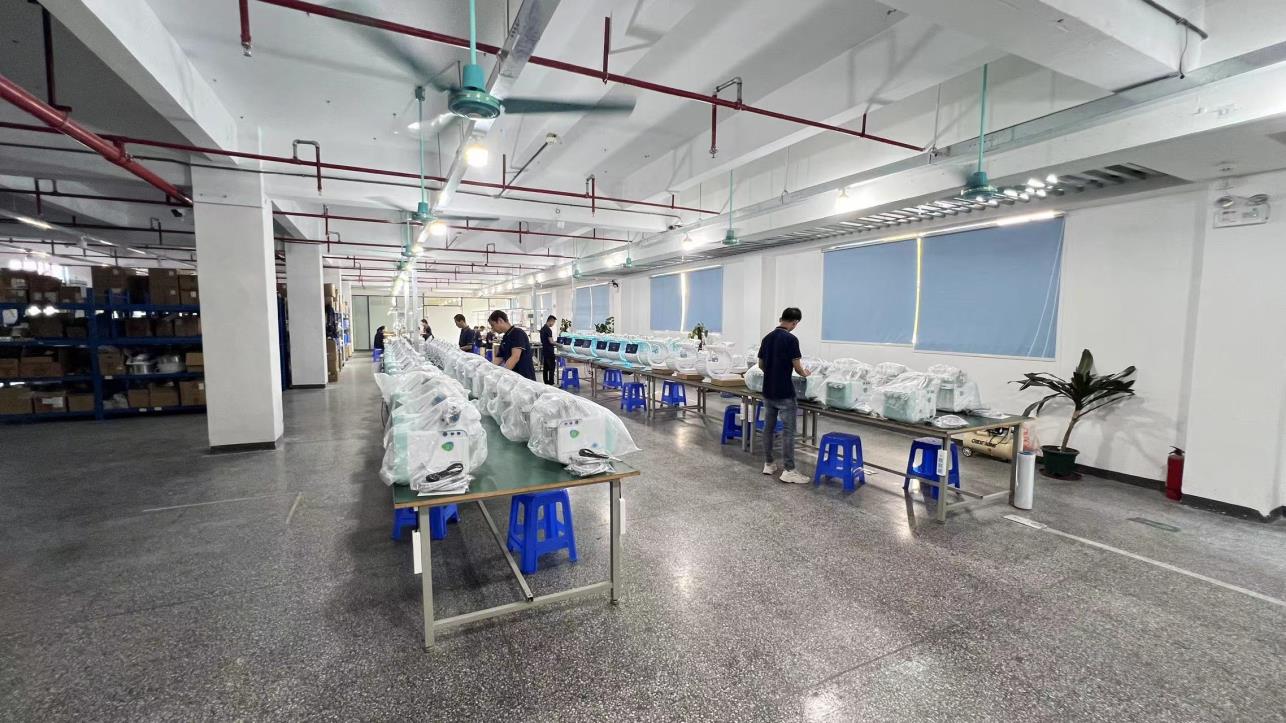
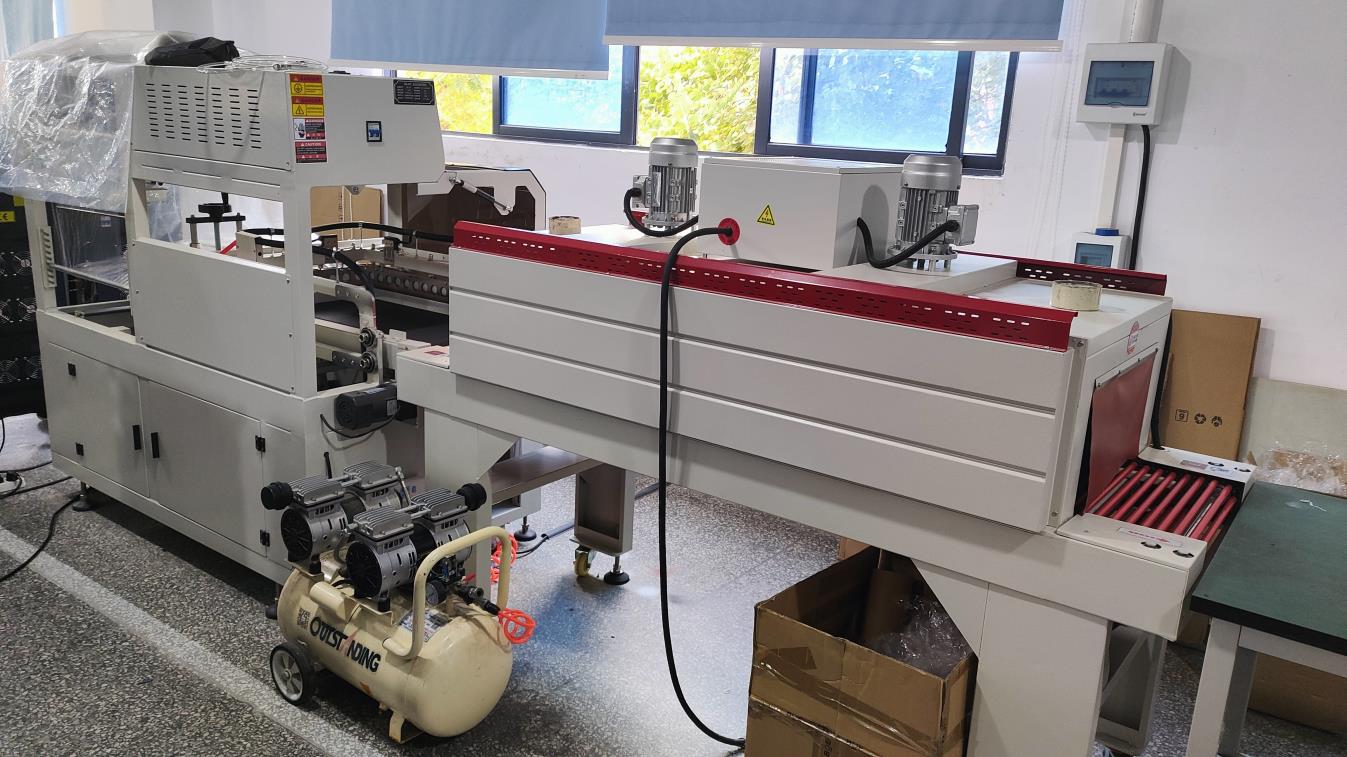
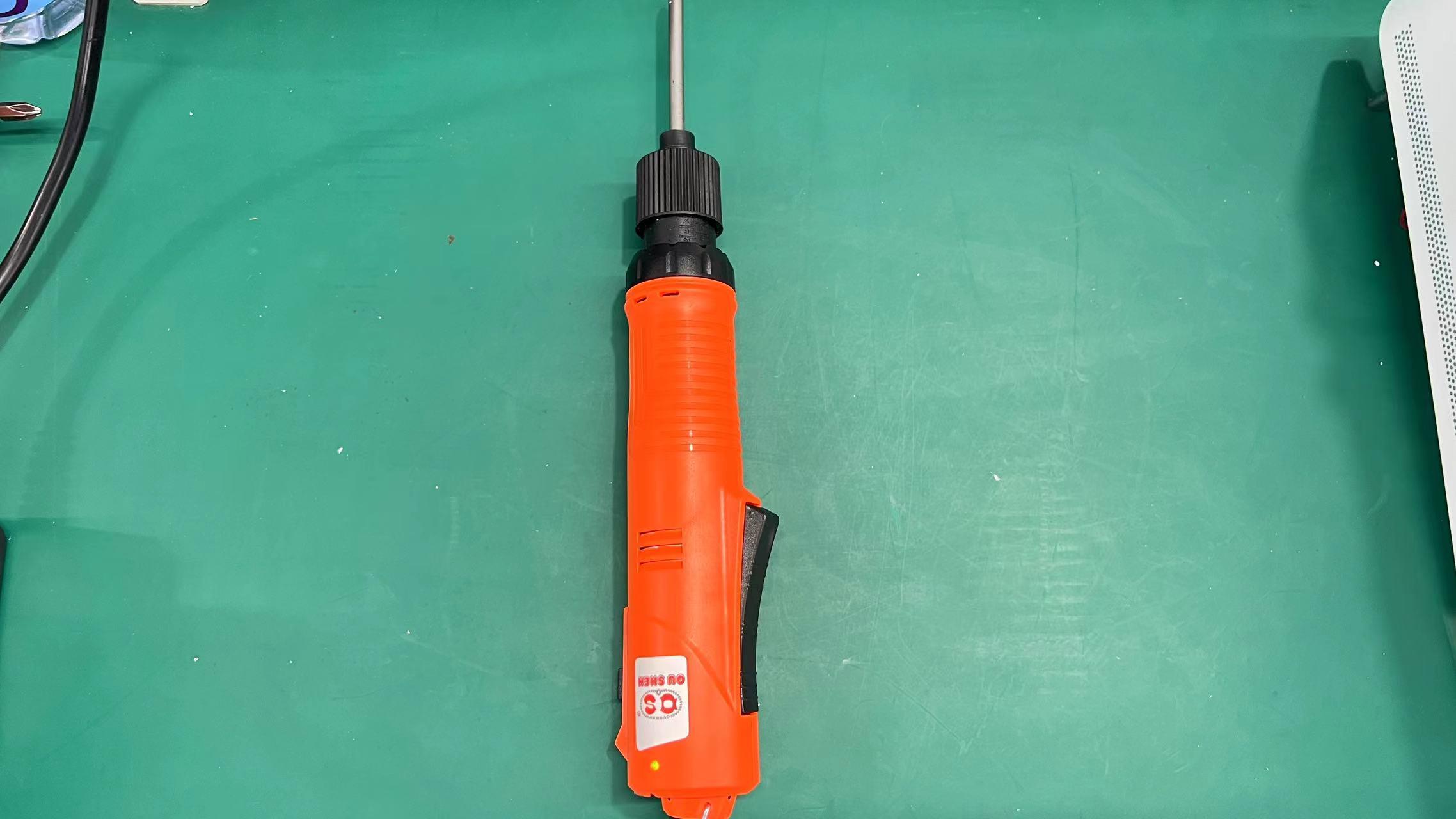
Shenzhen Yiki Beauty Co., Ltd. - A look inside our manufacturing lines and raw material testing processes.
Shenzhen Yiki Beauty Co., Ltd. is a professional enterprise integrating R&D, design, manufacturing, and global sales of advanced aesthetic and beauty equipment. The company is built by a team of experienced technical engineers and product designers, with fully in-house capabilities ranging from industrial appearance design and electronic system development to assembly, testing, and packaging.
Yiki Beauty is committed to providing a true one-stop solution for global customers, helping partners reduce complexity in product development, production, and branding. By combining innovative engineering with practical clinical and salon applications, the company continuously delivers safe, effective, and market-oriented beauty devices.
With a strong focus on quality control and technological innovation, Shenzhen Yiki Beauty Co., Ltd. supports OEM and ODM services, as well as private label branding. The company adheres to strict international quality standards and strives to build long-term partnerships with distributors, clinics, salons, and beauty chains worldwide.
Our product portfolio covers a wide range of advanced aesthetic technologies, including:
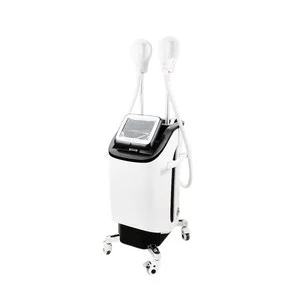
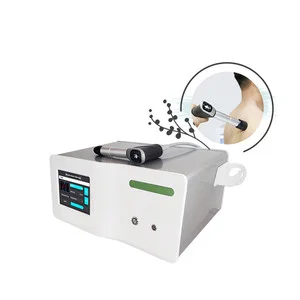
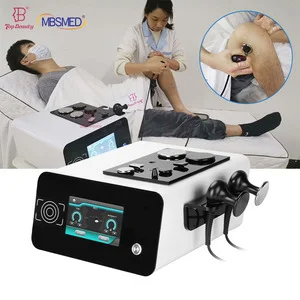
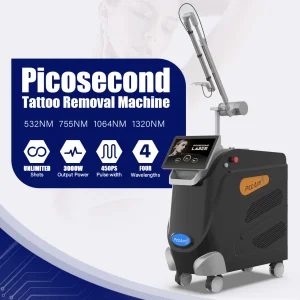
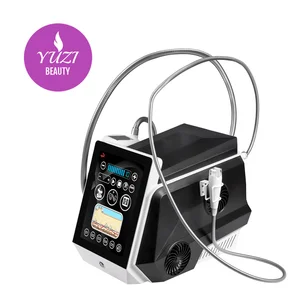
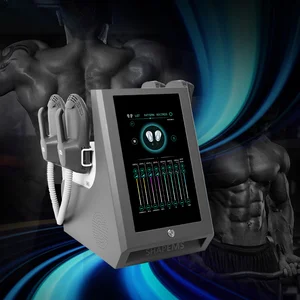
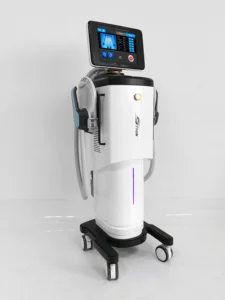
HI-EMT body contouring machines, laser hair removal systems, Vela body shaping devices, shockwave therapy machines, TECAR therapy equipment, air pressure lymphatic drainage systems, 4D HIFU ultrasound machines, tattoo removal lasers, hydra dermabrasion systems, plasma pens, and various home-use beauty devices.
Shenzhen Yiki Beauty Co., Ltd. exports to more than 15 major markets, including the United States, Germany, Australia, Canada, Italy, France, the United Kingdom, Spain, Russia, the Netherlands, Switzerland, Ukraine, Poland, Turkey, and Belgium, while continuously expanding its global footprint in emerging markets.
Driven by innovation, reliability, and customer success, Yiki Beauty is dedicated to becoming a trusted global partner in the aesthetic equipment industry.
A manual for B2B buyers looking to evaluate Chinese manufacturing capacity and localize clinical treatments.
One of the biggest issues in phototherapy sourcing is inaccurate specs. Many suppliers claim an irradiance of over $150 mW/cm^2$ at 10cm distance using simple LED panels. In practice, without high-current LED drivers and premium optical focus lenses, these outputs often fall below $20 mW/cm^2$, rendering the device clinically ineffective.
When audit teams inspect factories like Yiki Beauty, they check that the company uses calibrated energy meters and spectrometer integration spheres. Evaluating raw material imports, circuit-board layouts, and heat sinks is critical to finding a partner capable of delivering stable, long-term optical output.
Aesthetic clinics across regions have unique power, design, and interface requirements. For example, North American markets require 110V 60Hz power supplies with UL or ETL certifications, whereas European clinics need CE MDR compatibility. The touchscreen interface must also be translated accurately to support multi-language options for global clinics.
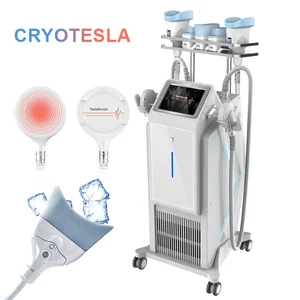
Aesthetic operators also value versatility. Combining multi-wavelength LED boards with body contouring, fat freezing (cryolipolysis), or shockwave devices allows salons to optimize their treatment rooms, offering combined services in a single treatment slot.
Following invasive procedures such as fractional CO2 laser, micro-needling, or chemical peels, skin barrier function is compromised. Applying 830nm near-infrared and 630nm red light accelerates epithelial cell growth, reduces patient down-time by up to 50%, and lowers the risk of post-inflammatory hyperpigmentation (PIH).
Salons combine 415nm blue light with microdermabrasion or ultrasound pore extraction. The light reduces acne-causing bacteria, balances sebum output, and calms active inflammation, providing a non-pharmacological solution for acne-prone skin.
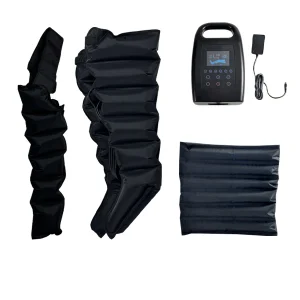
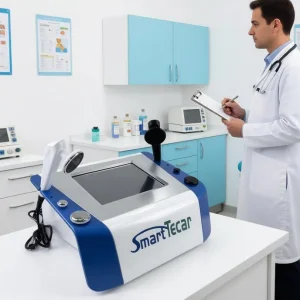
Sports medicine clinics and rehabilitation facilities integrate NIR phototherapy with CET RET Tecar therapy or lymphatic drainage suits. The combined treatment boosts local blood flow, accelerates lactic acid clearance, and relieves deep muscle stiffness in athletes.
Get answers to technical and procurement questions about phototherapy and aesthetic machinery imports.
High-quality manufacturers maintain a tolerance limit of ±3nm to ±5nm. Lower-tier components can shift by up to ±15nm, moving the wavelength outside the optimal optical window and reducing the treatment's clinical effectiveness.
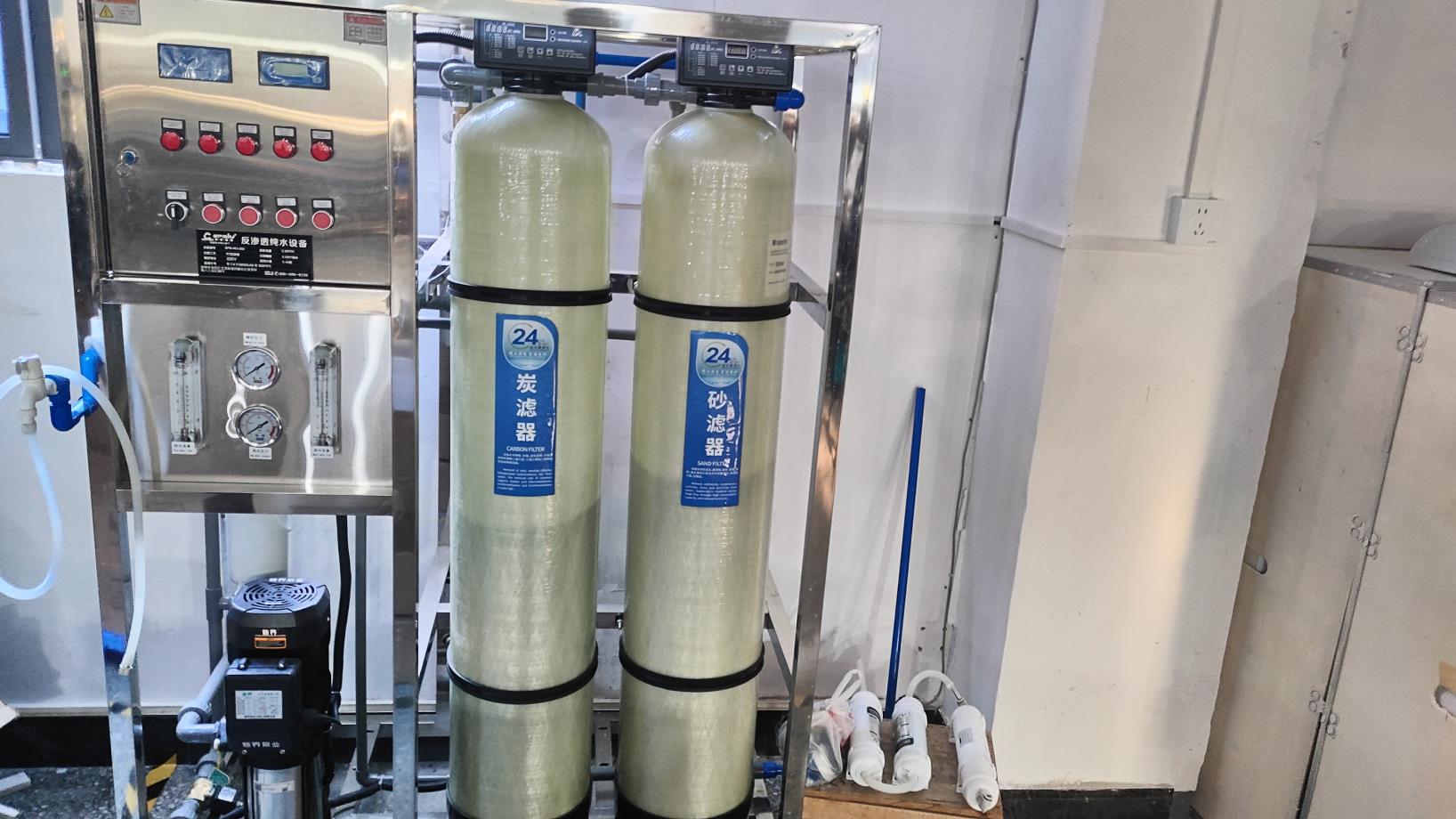
We use thick copper-core printed circuit boards (PCBs), high-grade aluminum heatsinks, and quiet, speed-controlled fans. High-energy devices like Tecar therapy or IPL systems also feature active water cooling, complete with a purified water filtration system, to ensure the temperature stays safe during long treatments.
Yes. Our in-house design and engineering teams support full brand integration. We can customize outer casing designs, colors, and logos, as well as translate the system firmware and user interface into over 15 languages, including Spanish, German, French, and Russian.
Every device goes through a structured multi-stage test process. This includes raw material inspection, safety checks for ground resistance, a 48-hour continuous power burn-in, output stability testing, and a final appearance check before being wrapped and boxed.
Engineered for clinics, rehabilitation facilities, and high-volume aesthetic centers.
 Yiki Beauty