2026 Top Why Drink Water After Cavitation And Lymph Drainage?

Time:2026-10-19 Author:Ethan
0%

After cavitation and lymph drainage, many people reach for water before leaving the clinic. That simple habit deserves a closer look. This guide explores why drinking water is essential after cavitation and lymph drainage, without promising instant fat loss or dramatic detoxification. Cavitation treatments use ultrasound energy to target fat tissue, while lymphatic massage applies gentle, directional pressure. Neither procedure replaces balanced nutrition, movement, or medical care.

Water helps maintain blood volume, supports normal circulation, and assists the kidneys with everyday waste removal. It also reduces the chance of confusing thirst with hunger during recovery. After a session, a cool bottle beside you can provide a practical reminder to sip gradually. Do not force excessive amounts. More is not always better. Individual needs vary with body size, activity, climate, and health conditions.

Evidence around post-treatment hydration is often presented too confidently. Drinking water cannot guarantee faster results, remove fat directly, or prevent every side effect. That claim needs restraint. A qualified practitioner should explain realistic outcomes, possible tenderness, and appropriate aftercare. People with kidney, heart, or fluid-balance conditions should ask a healthcare professional before changing their intake. Clear guidance matters more than marketing language.

This article examines hydration timing, reasonable fluid habits, warning signs, and common misconceptions. It also considers what clients may actually experience, from a dry mouth after treatment to mild fatigue later in the day. Small steps count. Careful hydration supports recovery, but it works best within a responsible, evidence-informed plan.
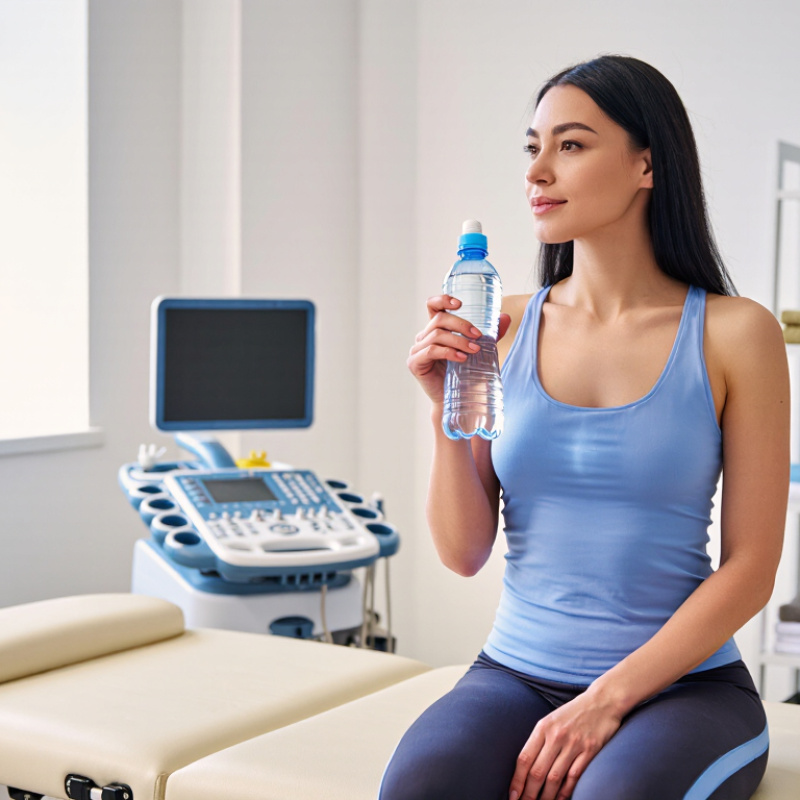
2026 Top Why Drink Water After Cavitation And Lymph Drainage?

Cavitation and Lymphatic Drainage: Definitions, Methods, and Treatment Goals

2026 Top Why Drink Water After Cavitation And Lymph Drainage?

Cavitation uses focused ultrasound energy beneath the skin. Its cosmetic goal is localized body contouring, not medical weight loss. Lymphatic drainage uses gentle manual strokes or controlled compression. The method aims to support fluid movement and reduce temporary swelling. Treatment plans should follow a qualified practitioner’s assessment, especially when circulation, kidney, or heart problems exist.

Water supports normal blood volume and kidney function after either procedure. It does not “flush out” melted fat. That phrase sounds convenient, but it oversimplifies human physiology. The National Academies lists adequate daily water intake at about 2.7 liters for women and 3.7 liters for men, including water from food. These figures are general, not post-treatment prescriptions.

Drink steadily.

A 2023 International Society of Aesthetic Plastic Surgery report recorded more than 19 million nonsurgical aesthetic procedures worldwide. That growth shows strong public interest, not proof that every technique works equally well. Research on cavitation outcomes remains variable, and lymphatic drainage evidence depends on the condition treated. Mild thirst, darker urine, or a dry mouth may suggest inadequate intake, but forcing excessive water can also be unhelpful. A realistic clinic protocol should provide measured hydration advice, explain expected swelling, and identify warning signs such as persistent pain, unusual redness, or severe dizziness.

How Cavitation and Lymphatic Drainage May Affect Post-Treatment Fluid Balance

Why Drink Water After Cavitation and Lymphatic Drainage?

Cavitation uses ultrasound energy around targeted fatty tissue. Lymphatic drainage uses gentle, rhythmic pressure to encourage fluid movement. Neither treatment instantly removes fat or guarantees lasting fluid loss. However, temporary changes may occur in the treated area. Skin can feel warm, tender, or slightly swollen. The body still regulates fluid through the kidneys, blood vessels, and lymphatic system.

Water supports normal circulation and kidney function after treatment. It may also reduce discomfort linked to mild dehydration. Sip water steadily instead of drinking a large amount at once. Pale-yellow urine is often a practical hydration sign. Your needs may differ with body size, exercise, climate, pregnancy, or medical conditions. More water is not always better.

A qualified practitioner should explain aftercare and screen for relevant health risks. People with kidney, heart, or liver problems should ask a clinician before changing fluid intake. Seek medical advice for severe pain, increasing redness, marked swelling, shortness of breath, or unusual weakness. Evidence for specific post-treatment water targets remains limited, and popular claims about “flushing toxins” are often overstated. I would treat hydration as supportive care, not a cure or a shortcut to body reshaping.

Hydration Benchmarks: EFSA Recommends 2.0–2.5 L Total Water Daily

Why Drink Water After Cavitation and Lymph Drainage?

Hydration matters after cavitation and lymph drainage, but water is not a magic treatment enhancer. EFSA recommends about 2.0–2.5 litres of total water daily for healthy adults under moderate conditions. This amount includes drinking water, other beverages, and moisture from foods such as soup, fruit, and vegetables. It does not mean everyone must drink exactly 2.5 litres of plain water.

After a session, keep a bottle nearby and take small sips through the day. A dry mouth, headache, or dark-yellow urine may suggest that your intake is low. Avoid drinking large amounts quickly. Your body still needs time to regulate fluid balance. Gentle movement can also support normal circulation, if your practitioner permits it.

The right amount changes with heat, exercise, body size, pregnancy, and medical conditions. People with kidney, heart, or fluid-balance concerns should ask a qualified healthcare professional before changing intake. I would not treat the EFSA range as a performance target. It is a practical benchmark, not a guarantee of faster results. Food contributes more water than many people expect. That part is easy to overlook.

Water After Treatment: Distinguishing Evidence-Based Care from Clinic Claims

2026 Top Why Drink Water After Cavitation And Lymph Drainage?

Water After Treatment: Distinguishing Evidence-Based Care from Clinic Claims

After cavitation or lymph drainage, many clinics recommend extra water. The advice sounds sensible, but the evidence needs careful interpretation. Drinking water supports normal hydration and helps the body maintain circulation, temperature, and kidney function. It does not directly flush away fat or guarantee faster inch loss.

Cavitation treatments use energy to affect fat cells, while lymph drainage uses gentle pressure to encourage fluid movement. Evidence for cosmetic cavitation remains mixed, and results vary between people. Lymphatic techniques may feel relieving, especially when temporary swelling or fluid retention is present. However, water alone cannot replace medical assessment or proven treatment.

Drink normally before and after the appointment. Small sips may feel easier than forcing a large bottle quickly. Pale-yellow urine is a practical hydration clue, though it is not a perfect test. More is not always better.

That matters.

A cautious practitioner should explain what is known, what is uncertain, and what depends on your health history. Dizziness, severe pain, unusual swelling, or persistent nausea deserves medical advice rather than another glass of water. Clinic instructions can be useful, but they are not automatically scientific evidence. Some recommendations may reflect habit, marketing, or individual experience. Reviewing the claim critically is part of safer aftercare.

Safe Hydration Planning: Medical History, Symptoms, and When to Seek Advice

2026 Top Why Drink Water After Cavitation And Lymph Drainage?

Water supports normal circulation after cavitation and lymph drainage. It may also ease thirst after lying still during treatment. However, more water is not always safer. A personalized plan matters more than a large bottle. Consider kidney disease, heart failure, liver disease, pregnancy, and prescribed fluid limits. Blood pressure medicines can also affect hydration needs. Tell your qualified practitioner about these conditions before treatment.

Watch your symptoms. Mild thirst is usually manageable with small sips. Dizziness, faintness, chest pain, shortness of breath, fever, or unusual swelling needs prompt medical advice. Seek urgent care for severe pain, confusion, or trouble breathing. Do not assume every symptom comes from dehydration. Infection, an allergic response, or another medical problem can look similar. The advice to “drink plenty” sounds helpful, but it is too vague. Urine color offers a clue, not a complete safety test.

Tips: Keep water nearby and sip slowly over several hours. Avoid forcing large amounts quickly. Record headaches, nausea, swelling, or reduced urination. Pause further sessions until a clinician reviews persistent symptoms. A qualified practitioner should explain expected reactions, aftercare limits, and when to contact a doctor. Evidence and individual responses can vary, so your treatment plan may need adjustment.

2026 Top Why Drink Water After Cavitation And Lymph Drainage? - Safe Hydration Planning: Medical History, Symptoms, and When to Seek Advice

A practical, individualized guide for post-treatment hydration and safety monitoring

Planning Dimension What Is Generally Reasonable Why It Matters Adjustments and Precautions Action Level
Purpose of Drinking Water Drink normally and regularly after a session to support ordinary hydration. Water does not reliably “flush out” fat or toxins, and extra water has not been proven to improve cosmetic treatment results. Hydration supports normal circulation, temperature regulation, digestion, and kidney function. Avoid forcing large volumes quickly. Thirst, urine color, activity, climate, and medical advice are better guides than a fixed post-treatment amount. Routine care
Before the Appointment Arrive normally hydrated. Sip water during the day and avoid beginning the appointment severely thirsty or dehydrated. Dehydration can contribute to headache, dizziness, fatigue, dry mouth, and darker urine. Do not use excessive water as a preparation strategy. Ask the provider whether food, caffeine, alcohol, or exercise restrictions apply. Plan ahead
First Few Hours Afterward Take small, comfortable sips according to thirst. A normal glass of water with a meal or snack is usually reasonable for many healthy adults. Small, spaced amounts are easier to tolerate than rapid intake and can help maintain usual hydration. If nausea, abdominal discomfort, or bloating occurs, pause, rest, and resume small sips only if tolerated. Monitor
Daily Fluid Planning Total fluid needs vary. A commonly cited adult reference is approximately 2.7 L per day for women and 3.7 L per day for men from all beverages and foods, not water alone. Food can provide a substantial portion of daily water, while needs rise with heat, exercise, fever, vomiting, or diarrhea. These are population reference values, not prescriptions. Follow clinician guidance if you have heart, kidney, or liver disease. Individualize
Urine and Thirst Checks Pale-yellow urine and normal thirst are commonly compatible with adequate hydration. Darker urine can occur with dehydration, although some medicines and foods also change urine color. Simple observations can help identify a need to review fluid intake. Clear urine all day while drinking excessively may indicate overhydration rather than excellent health. Do not rely on urine color alone. Self-check
Medical History: Kidney Disease Ask the treating clinician for a personalized fluid limit or target before treatment. Reduced kidney function can impair the body's ability to remove excess water and regulate electrolytes. Do not increase fluids simply because a procedure was performed. Follow prescribed fluid, sodium, and medication instructions. Seek advice first
Medical History: Heart Failure or Significant Heart Disease Use the fluid plan provided by the cardiology or medical team. Excess fluid may worsen swelling, breathlessness, or fluid retention in susceptible people. Report rapid weight gain, increasing ankle swelling, worsening shortness of breath, or difficulty lying flat. Seek advice first
Medical History: Liver Disease or Fluid Retention Confirm safe fluid intake with a qualified clinician before treatment. Liver disease may be associated with fluid accumulation and altered electrolyte balance. Do not self-treat swelling by drinking large amounts of water or changing diuretics. Seek advice first
Medicines and Supplements Tell the provider about diuretics, blood-pressure medicines, diabetes medicines, lithium, and supplements. Some medicines affect fluid balance, blood pressure, kidney function, or electrolyte levels. Do not stop, double, or change prescribed medicines to prepare for or recover from treatment. Review history
Pregnancy or Breastfeeding Discuss cosmetic cavitation and lymph drainage with an obstetric or primary-care professional before scheduling. Evidence and safety requirements may differ during pregnancy and breastfeeding. Do not assume that a non-invasive procedure is automatically appropriate during pregnancy. Professional review
Expected Mild Symptoms Temporary mild tenderness, warmth, localized redness, or short-lived soreness may occur depending on the technique used. Minor local effects can result from pressure, massage, or energy-based treatment. Symptoms should be improving, not progressively worsening. Follow the provider’s aftercare instructions. Observe
Symptoms Requiring Prompt Medical Advice Contact a healthcare professional for persistent vomiting, inability to keep fluids down, severe or worsening pain, marked swelling, spreading redness, blistering, fever, or unusual weakness. These symptoms may indicate dehydration, infection, skin injury, or another condition unrelated to routine hydration. Contact the treating provider or a medical service promptly rather than trying to correct symptoms with extra water. Call promptly
Emergency Warning Signs Seek emergency care for trouble breathing, chest pain, fainting, confusion, seizure, severe allergic symptoms, sudden one-sided weakness, or inability to wake normally. These signs can represent a medical emergency and are not expected effects of routine hydration or cosmetic aftercare. Call local emergency services. Do not drive yourself if severely unwell. Emergency
Avoiding Overhydration Do not rapidly consume excessive water or use water-loading plans. Very high water intake can dilute blood sodium, causing headache, nausea, confusion, seizures, or other serious effects. Risk is higher when large volumes are consumed quickly or when kidney, heart, liver, or medication factors are present. Avoid excess
Electrolyte Drinks For a brief, routine cosmetic session, plain water and normal meals are often sufficient for healthy adults. Electrolyte products are not automatically necessary after cavitation or lymph drainage. Choose products carefully if you have diabetes, kidney disease, hypertension, or a sodium restriction; ask a clinician when unsure. Use selectively
Best Overall Plan Use a moderate, symptom-guided approach: arrive hydrated, sip normally afterward, eat as usual if comfortable, and follow individualized medical advice. Personal health status matters more than a universal “detox” or fixed water prescription. Confirm the procedure, practitioner qualifications, contraindications, and aftercare instructions before treatment. Personalized care

Safety note: This table provides general educational information and does not replace advice from a licensed healthcare professional. “Cavitation” may refer to different cosmetic procedures, and lymph drainage may be manual or device-assisted; follow the exact instructions provided for the treatment you received.

FAQS

Why is water recommended after cavitation or lymphatic drainage?

Water supports normal circulation and kidney function after treatment. Sip slowly. It may also ease discomfort linked to mild dehydration. It does not remove fat instantly.

Does drinking water flush out melted fat?

No. That claim oversimplifies human physiology. Cavitation aims at localized body contouring, not medical weight loss. Water supports normal body functions, but it is not a fat-removal shortcut.

How should I drink water after treatment?

Drink steadily over several hours. Keep a bottle nearby. Avoid forcing a large amount quickly. Pale-yellow urine can offer a useful hydration clue, but it is not a complete safety test.

How much water should I drink after a session?

There is no reliable universal post-treatment target. Needs vary with body size, climate, exercise, pregnancy, and health conditions. A personalized plan is safer than copying a large daily amount.

What changes might I notice after cavitation or drainage?

The treated area may feel warm, tender, or slightly swollen. Temporary fluid changes can occur. Neither method guarantees lasting fluid loss. Results can vary. I would avoid promising more than the evidence supports.

Who should ask a clinician before increasing fluids?

People with kidney, heart, or liver problems should seek individualized advice. Pregnancy and prescribed fluid limits also matter. Some blood pressure medicines can affect hydration needs. Tell the practitioner before treatment.

Which symptoms require medical advice after treatment?

Contact a clinician for persistent pain, increasing redness, unusual swelling, or severe dizziness. Chest pain, shortness of breath, fainting, confusion, or trouble breathing needs urgent care. Do not assume every symptom means dehydration.

What should a responsible aftercare plan include?

It should explain expected swelling, practical hydration, and treatment limits. A qualified practitioner should review your medical history. Record headaches, nausea, reduced urination, or worsening swelling. Pause additional sessions if symptoms persist. The simple answer feels incomplete.

Conclusion

Cavitation and lymphatic drainage are commonly discussed as noninvasive treatments intended to influence body contours, tissue fluid movement, or the appearance of temporary swelling. Understanding why drinking water is essential after cavitation and lymph drainage begins with fluid balance: adequate hydration supports normal circulation and kidney function, while the body processes and eliminates excess fluid through its natural systems. However, water alone does not guarantee faster fat loss or improve treatment results beyond what evidence supports.

Daily fluid needs vary according to body size, activity, climate, diet, and health status. As a general reference, EFSA guidance suggests approximately 2.0–2.5 liters of total water per day from beverages and food for many adults, but this is not a rigid post-treatment prescription. Drink gradually, follow qualified medical advice, and avoid excessive intake. People with kidney, heart, or liver conditions, or those experiencing severe pain, persistent swelling, dizziness, vomiting, or breathing difficulty, should seek professional guidance promptly.

Ethan

Ethan

Ethan is a seasoned marketing professional with a deep expertise in our company's innovative product line. With a passion for sharing knowledge and insights, he takes the lead in regularly updating our corporate blog, where he explores industry trends, product features, and effective marketing......