After intense training, athletes often face tight muscles, delayed soreness, and reduced movement quality. These effects can alter the next session. The World Health Organization recommends regular strength and aerobic activity, but recovery determines whether athletes can repeat that workload safely. This explains why do athletes use tecar therapy machines after training, especially when hands-on care alone feels insufficient.
Tecar therapy uses radiofrequency energy to support local circulation and tissue temperature. Practitioners commonly apply it around the hamstrings, calves, shoulders, or lower back. A warm applicator moves slowly across the skin. Athletes may feel gentle heat rather than pressure. The intended benefits include temporary pain relief, improved soft-tissue mobility, and easier movement. However, these outcomes depend on the device, treatment settings, injury status, and clinician skill. The evidence is promising, not conclusive.
That distinction matters. A 2023 systematic review in the Journal of Clinical Medicine reported potential benefits from capacitive and resistive electric transfer therapy, but it also noted limited study quality and inconsistent protocols. The International Olympic Committee’s consensus guidance on sports injury prevention emphasizes load management, sleep, nutrition, and rehabilitation, rather than any single machine. The Global Wellness Institute estimated the wellness economy at about $6.3 trillion in 2023, showing strong demand for recovery services, not proof of clinical effectiveness. Tecar therapy should therefore complement assessment, progressive exercise, and medical advice. It should not replace them. More standardized trials are still needed, and some marketing claims deserve careful questioning.
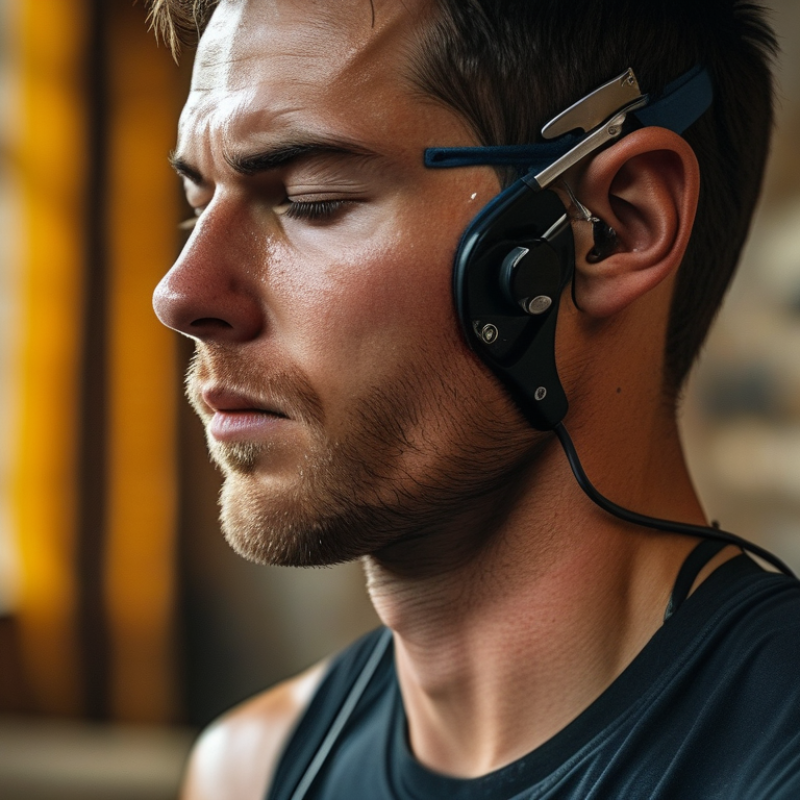
After hard training, many athletes seek Tecar therapy to reduce stiffness and restore comfortable movement. Understanding the device matters more than the warm sensation. Tecar, meaning capacitive and resistive electric transfer, uses radiofrequency current through treatment electrodes. Common frequencies range from 300 kHz to 1 MHz. The current creates oscillating ionic movement inside tissues. Some energy becomes heat. This may improve local circulation, tissue extensibility, and short-term comfort.
The capacitive mode usually targets muscles and other water-rich tissues. The resistive mode reaches tissues with higher resistance, such as tendons, fascia, and joints. A therapist adjusts intensity, electrode placement, and treatment time. That detail matters. A 2022 systematic review in the Journal of Clinical Medicine examined 13 Tecar-related studies and reported promising pain and mobility findings. However, the studies used different protocols and small participant groups. The evidence remains uneven.
After a demanding session, an athlete may notice warmth around a tight calf or smoother ankle movement. That feeling is real, but it does not prove faster tissue repair. The 2022 review also supports cautious interpretation.
Tecar should complement sleep, hydration, progressive loading, and clinical assessment. It should not replace them. Practitioners must check sensation, inflammation, implanted electronic devices, and other contraindications before treatment. I would question any claim promising instant recovery. The mechanism is plausible, yet the research still needs larger, better-controlled trials.
After demanding training, athletes often want recovery that feels targeted, calm, and practical. Tecar therapy uses radiofrequency energy to support local tissue treatment. A trained therapist adjusts the intensity and method for each athlete. The goal may include easing muscle tightness, improving comfort, and supporting movement before the next session. It should not feel painfully hot. Comfort matters.
Many athletes choose Tecar therapy because it fits easily into post-training routines. A runner may receive treatment around tired calves after hill work. A basketball player may focus on the thigh or shoulder after repeated jumping and shooting. During treatment, the athlete can usually describe pressure, warmth, and tenderness in real time. That feedback helps the clinician work more carefully. Small details matter.
Still, Tecar therapy is not a shortcut or a guaranteed solution. Research and results can vary by injury, treatment plan, and individual response. I would not use it to ignore sharp pain, swelling, weakness, or reduced function. Those signs deserve proper assessment by a qualified healthcare professional. Athletes should also disclose medical conditions, implanted devices, pregnancy, and recent injuries before treatment. It may feel helpful, yet recovery still depends on sleep, nutrition, load management, and rehabilitation exercises. The honest question is whether it improves function over time, not whether one session feels impressive.
After demanding training, athletes often feel tight muscles, heavy legs, or mild post-exercise soreness. Tecar therapy uses controlled radiofrequency energy to create gentle warmth in targeted tissues. In sports rehabilitation, trained professionals may use it to support comfort and movement after exercise.
The warmth can help muscles relax and may support local circulation. This effect can make stretching and low-intensity mobility work feel easier. Some athletes report less stiffness around the calves, hamstrings, shoulders, or lower back. Evidence remains mixed, so treatment should complement sleep, hydration, nutrition, and carefully planned recovery. It is not a shortcut.
A therapist usually adjusts the energy level, treatment area, and session length to the athlete’s condition. For example, a runner might receive gentle treatment around tight calves before controlled ankle movements. The therapist should also check for skin problems, reduced sensation, implanted electronic devices, pregnancy, or other medical concerns. Professional screening matters.
Results vary. That deserves honesty. Feeling warmer does not always mean faster tissue healing. Athletes should report sharp pain, unusual swelling, numbness, or worsening symptoms instead of masking them with treatment. Proper assessment remains essential, especially after a suspected strain or joint injury. Recovery should feel supported, not rushed.
| Recovery Dimension | What Post-Training Tecar Therapy May Do | Potential Athlete Benefit | Typical Clinical Focus | Evidence Status | Important Considerations |
|---|---|---|---|---|---|
| Local circulation | Radiofrequency diathermy can produce controlled tissue heating and may increase local blood flow when an appropriate thermal dose is used. | May support comfort and the normal transport of oxygen, nutrients, and metabolic by-products during recovery. | Large muscle groups such as the quadriceps, hamstrings, calves, gluteal muscles, and lower back. | Limited to moderate; strongly dependent on temperature, treatment time, and protocol. | It should complement sleep, hydration, nutrition, and active recovery rather than replace them. |
| Post-exercise muscle soreness | Thermal and sensory effects may temporarily reduce the perception of stiffness or discomfort after demanding exercise. | Improved short-term comfort and easier movement during light mobility or recovery sessions. | Delayed-onset muscle soreness, general muscular tightness, and non-acute post-training discomfort. | Preliminary and protocol-dependent; not a guaranteed reduction in delayed-onset muscle soreness. | New, severe, or worsening pain requires assessment rather than routine heat treatment. |
| Range of motion | Deep or superficial heating may temporarily improve tissue extensibility and reduce the sensation of restriction. | May make gentle stretching, mobility drills, and technique work more comfortable immediately after training. | Hip, shoulder, ankle, and thoracic mobility where muscle tightness is a limiting factor. | Short-term improvements are reported in some rehabilitation studies; lasting gains require active mobility work. | Use controlled, pain-free movement; do not force a joint beyond its normal range. |
| Muscle relaxation | Warmth and comfortable sensory stimulation may decrease the feeling of muscle guarding or resting tension. | Can help an athlete transition from high-intensity work to a calmer recovery routine. | Areas with perceived tightness after sprinting, resistance training, jumping, or repeated accelerations. | Commonly reported clinical effect, but objective performance benefits are not consistently established. | Intensity should remain comfortable; excessive heat can increase discomfort or skin irritation. |
| Soft-tissue comfort | Capacitive or resistive radiofrequency modes may be used to deliver energy to superficial or deeper soft tissues, depending on the applicator and settings. | May reduce perceived stiffness and improve tolerance of hands-on therapy or active recovery. | Muscle, tendon, fascia, and periarticular soft-tissue complaints assessed by a qualified clinician. | Evidence varies by body region and condition; device settings and diagnosis matter. | It is not a substitute for diagnosis, progressive loading, or rehabilitation planning. |
| Preparation for active recovery | When symptoms are mild and non-acute, a brief treatment may be followed by walking, cycling, mobility, or therapeutic exercise. | May improve comfort during low-load movement, which is often more useful than passive treatment alone. | Post-training cooldowns and rehabilitation sessions under professional supervision. | Active recovery has broader support than passive modalities for maintaining movement and function. | The athlete should stop if pain, dizziness, unusual heat, or skin changes occur. |
| Return-to-training monitoring | Temporary symptom relief can help clinicians observe movement quality, but it does not prove that tissue has fully recovered. | May assist short-term comfort while the athlete follows a graded return-to-load plan. | Training-related soreness or minor soft-tissue symptoms that have already been clinically assessed. | Symptom relief should not be interpreted as evidence of complete healing or readiness for maximal loading. | Workload, strength, range of motion, pain response, and sport-specific function should guide progression. |
| Safety screening | Tecar therapy uses radiofrequency energy and may create significant local heat, so treatment must be selected and monitored carefully. | Reduces the risk of avoidable adverse effects when contraindications and dosing are checked. | Pre-treatment screening, temperature monitoring, skin checks, and communication throughout the session. | Safety depends on professional assessment and correct application. | Extra caution or avoidance may be required with implanted electronic devices, pregnancy, impaired sensation, active bleeding, suspected clotting problems, infection, open wounds, or unexplained acute pain. |
After training, Tecar therapy usually begins with a short clinical assessment. The practitioner asks about pain, swelling, recent injuries, and training load. They inspect movement and sensitive areas before choosing treatment settings. This matters because recovery should follow the athlete’s condition, not a fixed routine.
The athlete usually lies or sits comfortably, with the treatment area exposed. A conductive cream or lotion supports smooth electrode movement. The practitioner places a return plate and moves the active electrode slowly across the tissue. Warmth is common. Burning is not. A session often lasts 15 to 30 minutes, although duration depends on the goal and body region. The athlete may feel gentle heat around a tight calf or shoulder. Settings can change during treatment. The practitioner should ask about comfort repeatedly.
Afterward, the clinician checks movement, tenderness, and swelling again. The athlete may then perform easy mobility drills or breathing exercises. The World Health Organization reports that 1.71 billion people live with musculoskeletal conditions worldwide, showing why individualized care matters. Evidence for Tecar therapy remains developing, and results are not equally strong for every injury. A 2023 review in the Journal of Clinical Medicine described potential benefits for pain and function, but also noted small studies and varied protocols. That uncertainty deserves honesty. Tecar should not replace diagnosis, rehabilitation planning, sleep, or nutrition. Practitioners should screen for active infection, reduced sensation, implanted electronic devices, and pregnancy-related precautions before treatment.
Tecar therapy uses radiofrequency energy to warm deeper tissues. Athletes may seek it after hard sessions because warmth can reduce stiffness and improve comfort. However, recovery is not the same as healing. The World Health Organization recommends 150–300 minutes of moderate activity weekly, but it does not endorse Tecar therapy as essential recovery care. Recent rehabilitation reviews also describe radiofrequency evidence as promising, yet limited by small studies and inconsistent treatment settings.
The evidence is not perfect.
Safety deserves more attention than marketing claims. Athletes with pacemakers, implanted stimulators, or other electronic devices should avoid Tecar unless their specialist gives written clearance. Pregnancy, active cancer, suspected blood clots, serious infection, uncontrolled bleeding, and reduced skin sensation also require avoidance or medical assessment. Heat can worsen hidden tissue damage. It may feel pleasant while an injury quietly progresses. That is the uncomfortable part.
Tips:
Ask a sports physician to screen the injury first. Tell the therapist about implants, medicines, circulation problems, and pregnancy. Avoid treatment over numb, swollen, or broken skin. Start with conservative settings and check the skin during treatment. Stop immediately if burning, dizziness, unusual pain, or lasting redness occurs. A 2020 WHO guideline supports exercise planning, sleep, and gradual loading as core recovery tools. Tecar should complement them, not replace them.
: The practitioner asks about pain, swelling, injuries, and recent training. They check movement and sensitive areas. You usually lie or sit comfortably. A conductive lotion helps the electrode glide smoothly. Warmth is common. Burning is not.
Many sessions last 15 to 30 minutes. The time depends on the body area and treatment goal. A tight calf may receive different settings than a sore shoulder. The practitioner should check your comfort repeatedly.
You may feel gentle heat beneath the electrode. The sensation should remain comfortable. Stop immediately if you feel burning, dizziness, unusual pain, or lasting redness. Pleasant heat does not prove healing.
Some athletes seek reduced stiffness and improved comfort after hard exercise. It may help them move more easily. Recovery is not the same as tissue healing. That distinction is easy to forget.
No. Results may differ between injuries and treatment settings. Current evidence remains limited and uneven. Small studies cannot answer everything. A proper diagnosis should guide treatment.
People with implanted electronic devices should avoid it without specialist clearance. Pregnancy requires medical advice. Avoid treatment with active cancer, suspected blood clots, serious infection, or uncontrolled bleeding. Reduced skin sensation also needs careful assessment.
Avoid numb, swollen, broken, or infected skin. Heat can worsen hidden tissue damage. The area may feel calm while the injury progresses. That possibility deserves honest attention.
The practitioner may recheck movement, tenderness, and swelling. Easy mobility drills or breathing exercises may follow. Continue sleep, nutrition, gradual loading, and rehabilitation planning. Tecar should complement these habits, not replace them.
Tecar therapy is a noninvasive recovery method that uses radiofrequency energy to support circulation and stimulate the body’s natural repair processes. By gently warming targeted tissues, it may help improve mobility, reduce muscle tension, and promote comfort after demanding exercise. This explains why do athletes use tecar therapy machines after training: they want a controlled recovery option that can complement stretching, hydration, rest, and other conditioning strategies.
A typical session begins with an assessment of the athlete’s training load and recovery needs. A practitioner then applies a conductive medium and moves the device over selected areas while adjusting the intensity for comfort. Post-training Tecar therapy may help address soreness, stiffness, and localized fatigue, but it should not replace medical evaluation for serious injuries. Athletes with implanted electronic devices, certain circulation or sensory conditions, acute infections, open wounds, or other relevant health concerns should seek professional advice before treatment. Proper screening and qualified supervision are essential for safe use.

Yiki Beauty