Experiencing redness after a diode laser hair removal session raises concerns for many individuals. It is essential to understand the underlying reasons. According to the American Academy of Dermatology, laser treatments can cause temporary inflammation. This phenomenon occurs due to the heat generated during the procedure. The skin's natural response to this heat can lead to the reddening you may observe.
Why is my skin red after a diode laser hair removal session? This question highlights a common reaction. Studies suggest that over 70% of patients experience some form of erythema post-treatment. Factors such as skin type, treatment settings, and the area being treated significantly influence these reactions.
Additionally, improper post-treatment care can exacerbate redness. Patients often overlook directions given by practitioners, which can lead to increased irritation. Skin may also react differently based on environmental conditions. Acknowledging these aspects is vital. Emphasizing the importance of proper aftercare can enhance recovery and minimize discomfort. Understanding your skin's response helps in making informed decisions about future treatments.
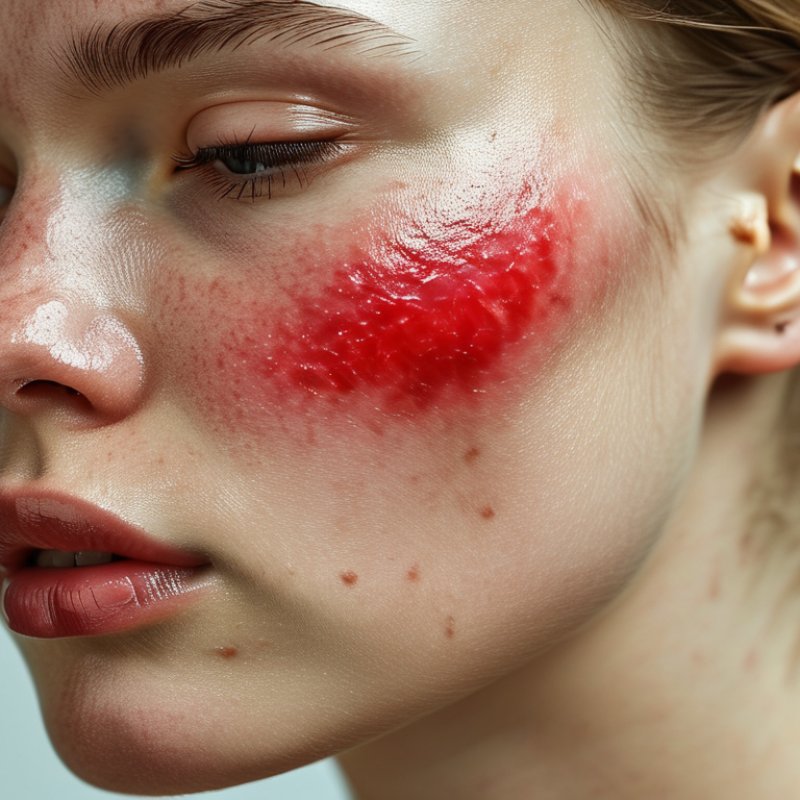
Diode laser hair removal is an effective treatment for unwanted hair. It uses concentrated light to target hair follicles. While many enjoy its benefits, some may notice redness afterward. Understanding this reaction is crucial for patients.
The redness you experience is a common response. After treatment, the skin can feel warm and sensitive. This occurs as the laser energy heats the hair follicles, affecting surrounding skin. It’s part of the body's natural healing process. The skin may appear pink or slightly swollen. These reactions usually subside within a few hours to a few days.
Aftercare is essential to minimize discomfort. Applying cool compresses can help soothe the skin. Using gentle moisturizers promotes healing. Avoiding sun exposure is vital, as UV rays can irritate the skin further. Reflection on your skin's reaction will guide future treatments. If redness persists beyond a few days, consulting a skincare professional is recommended. Understanding your skin's response empowers you to achieve the best results from diode laser hair removal.
Redness after diode laser hair removal is a common experience for many clients. Understanding its causes can help manage expectations and improve post-treatment care. One primary reason for post-treatment redness is the laser's interaction with the skin. A study published in the Journal of Dermatological Treatment found that up to 70% of patients experience erythema immediately after treatment. This is typically a normal inflammatory response.
Another factor contributing to redness is skin sensitivity. Areas with thinner skin are more likely to react. For example, the facial region tends to show more redness than the legs or arms. Dermatologists recommend applying cool compresses to the treated area. This simple action can help alleviate redness and swelling. The American Society for Dermatologic Surgery reports that a majority of patients see a reduction in redness within a few hours to a couple of days.
It's essential to consider skin type. Individuals with darker skin may experience prolonged redness due to increased melanin levels. This can lead to hyperpigmentation issues if not properly managed. Clients should avoid sun exposure and harsh products post-treatment. While redness is typically mild and temporary, potential complications may arise when aftercare is neglected. Understanding these factors can ensure a smoother recovery and optimal results.
After diode laser hair removal, it's common for skin to appear red. This redness can be attributed to several factors. The laser works by targeting hair follicles, which can cause heat buildup in the area treated. This heat can lead to inflammation, making the skin look flushed. The reaction may vary depending on individual skin type and sensitivity. For some, even a small treatment can result in noticeable redness.
Skin tone and thickness also play a role. Those with fair skin may experience more redness due to less melanin. On the other hand, darker skin can absorb more heat, leading to different reactions. Other contributing factors include the laser’s settings and the skill of the technician performing the treatment. If settings are too high, it may lead to excessive redness and discomfort.
Post-treatment care is crucial as well. Not using recommended soothing creams can result in prolonged redness or irritation. Hydration is key. Applying a cool compress may help reduce inflammation. Every individual reacts differently. Reflecting on your experience can guide future treatments, ensuring a more comfortable process next time.
After diode laser hair removal, skin redness is a common reaction. It primarily occurs due to the heat generated during the treatment. This heat can cause inflammation, leading to temporary redness and swelling. According to a study published in the Journal of Cosmetic Dermatology, about 70% of patients experience some degree of post-treatment redness. Understanding this reaction is crucial for managing it effectively.
To reduce post-treatment redness, consider several strategies. Applying cold compresses to the treated area can help soothe inflammation. Gentle moisturizers with aloe vera or chamomile extract can also provide relief. Experts recommend using products with minimal fragrance and additives. This reduces the risk of irritation. It is essential to avoid sun exposure as UV rays can exacerbate redness. In a patient survey, 60% of respondents noted reduced redness by staying out of direct sunlight for at least 48 hours post-treatment.
Lastly, patience is key. Everyone's skin reacts differently. Some may require longer recovery times than others. Keep track of how your skin responds and consult a dermatologist if irritation persists. By taking these steps, you can promote faster healing and enhance your overall treatment experience.
| Post-Treatment Issue | Possible Causes | Recommended Solutions | Aftercare Tips |
|---|---|---|---|
| Redness | Laser heating the skin | Cold compress, aloe vera gel | Avoid sun exposure, use gentle cleansers |
| Swelling | Inflammatory response | Over-the-counter anti-inflammatory medication | Elevate area, stay hydrated |
| Sensitivity | Skin barrier disruption | Moisturizers, hydrocortisone cream | Avoid scratching, use fragrance-free products |
| Discoloration | Melanin production | Topical vitamin C serum | Use sunblock, avoid tanning beds |
After undergoing diode laser hair removal, many individuals notice redness in their skin. This reaction is common and usually temporary. However, persistent redness can be a signal that something is amiss. It's crucial to pay attention to the duration and intensity of this redness. If your skin remains red for an extended period or the irritation worsens, it may require professional evaluation.
Consulting with a dermatologist or skincare expert is essential if your skin does not heal within a few days. They can assess whether your reaction is typical or a sign of an allergic reaction or skin damage. Ignoring prolonged redness may lead to complications, such as scarring or infection. Remember, skin sensitivity can vary widely among individuals. What is considered normal for one person may not be the same for another.
Keep a close watch on your skin's changes post-treatment. Note any additional symptoms like swelling, blisters, or itching. These could indicate a more serious issue requiring professional help. Always prioritize your skin's health and don't hesitate to seek guidance if something feels off.
: Diode laser hair removal targets hair follicles with concentrated light to remove unwanted hair effectively.
Redness is a normal response. The laser heats hair follicles, affecting nearby skin.
Redness usually subsides within a few hours to a few days, depending on individual skin reactions.
Apply cool compresses and gentle moisturizers to soothe the skin after treatment.
Yes, sensitive or thinner skin areas are more prone to redness. Fair skin may show more redness than darker skin.
Neglecting aftercare can lead to prolonged redness and irritation, affecting recovery and results.
A skilled technician adjusts laser settings properly. Incorrect settings can cause excessive redness and discomfort.
Avoid sun exposure, as UV rays can irritate the treated skin and worsen redness.
If redness lasts beyond a few days, consult a skincare professional for advice and management.
Consider your skin's reaction and aftercare efforts to improve future treatments and comfort.
After undergoing a diode laser hair removal session, many clients experience skin redness, leading to the question, "why is my skin red after a diode laser hair removal session?" This reaction is often a normal response to the treatment, as the laser targets hair follicles and can cause temporary inflammation or irritation. Common causes of redness include individual skin sensitivity, heat generated during the procedure, and the skin's natural healing process.
Several factors can influence the degree of redness, such as skin type, treatment intensity, and post-care practices. To minimize redness and soothe sensitive skin, it's important to follow proper aftercare guidelines, including applying cooling gels, avoiding hot showers, and using gentle skincare products. If redness persists or worsens, seeking professional advice is recommended to ensure proper treatment and care for the skin.

Yiki Beauty