How to Find Laser Hair Removal Cost Per Session? The answer rarely fits one neat number. When people ask, “what is the cost per session for professional laser hair removal,” they often expect a simple price. The real figure depends on treatment area, hair density, skin tone, laser technology, clinic location, and practitioner experience.
Dermatologist Dr. Tina Alster explains, “Laser hair removal works best when the hair is in the active growth phase.” This detail matters. Clinics usually recommend several sessions because hair grows in different cycles. A small upper-lip treatment may cost less than a full-back or full-leg session. In many United States clinics, professional sessions may range from about $100 to $500, but local prices can differ sharply. These figures are only practical reference points, not promises.
Look beyond the advertised fee. Ask whether consultation, cooling, aftercare, and follow-up support are included. Confirm the exact treatment area, device type, and package conditions. A discounted package may seem attractive, yet unused sessions can become wasted money. That happens.
A reliable comparison should also consider medical screening and trained supervision. Experienced providers assess skin type, recent tanning, medications, and hair characteristics before treatment. This reduces avoidable risks and creates more realistic expectations. I admit that online price guides can oversimplify the decision. They cannot show your skin, hair, or clinic standards. The most trustworthy answer comes after a documented consultation and a clear, written quote.
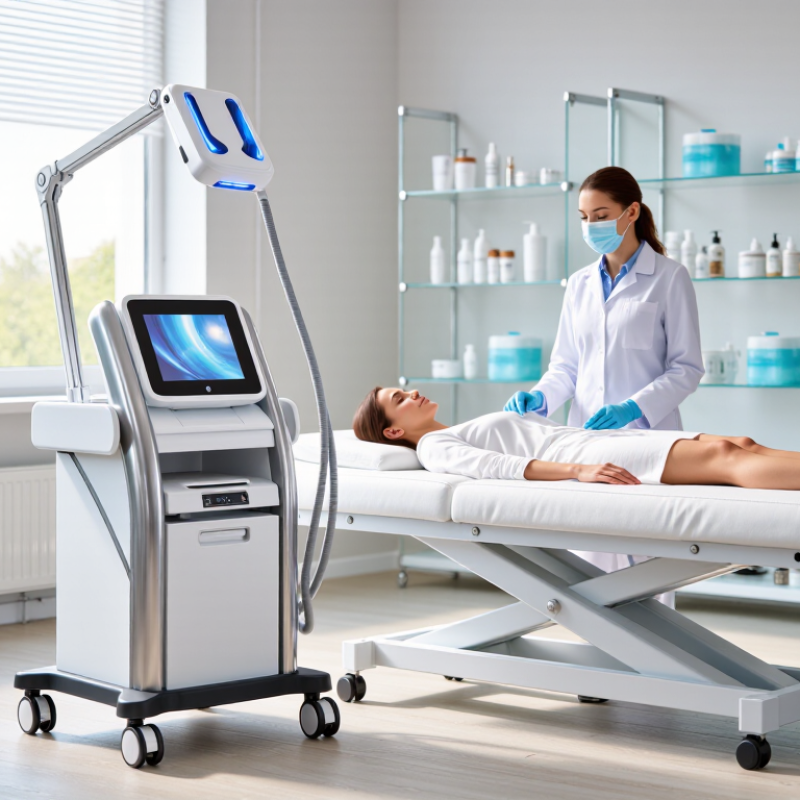
Laser hair removal cost per session depends on more than the clinic’s advertised price.
A small upper lip may take minutes, while full legs require more time, cooling, and follow-up care. Hair density also matters. Thick, dark hair may absorb laser energy differently from fine hair. Skin tone, hair contrast, and the device’s settings can change the treatment plan.
Clinics in major cities usually face higher staffing and rental costs. Experienced medical professionals may charge more, but safer assessment has real value. The American Society of Plastic Surgeons’ 2023 Statistics Report lists an average US physician fee of about $697 for laser hair removal. That figure is useful, but imperfect. It may not represent every facility fee, package discount, or regional difference.
The American Academy of Dermatology notes that patients commonly need six or more treatments, with maintenance sometimes required. Ask whether the quote covers consultation, patch testing, aftercare, and touch-ups. Cheap sessions can become expensive later. I would question any provider promising permanent results after one visit. Results vary, and that promise deserves careful thought. Skin sensitivity, recent tanning, and hormonal changes may also affect the schedule.
Get a written estimate for your exact treatment area.
Estimating laser hair removal cost per session starts with the treatment area, not a universal price. The American Society of Plastic Surgeons’ 2023 statistics reported an average physician fee of about $389 for laser hair removal. This figure is a reference point, not a guaranteed invoice. Facility fees, local wages, practitioner experience, and consultation charges may change the final amount.
Small areas usually require less time. An upper lip session may take 10–15 minutes, while underarms often need 15–20 minutes. Bikini treatment may take 20–30 minutes, and full legs can approach 45–60 minutes.
Ask whether the clinic prices by area, time, or package. A simple estimate is: session price equals the clinic’s base fee multiplied by the area adjustment.
For example, a clinic charging $100 for a small area might quote $150–$250 for underarms and $300–$500 for full legs. These ranges are practical illustrations, not industry averages.
The International Society of Aesthetic Plastic Surgery’s global survey tracks laser hair removal as a major non-surgical treatment category. High demand does not guarantee lower pricing. Also, “full body” may exclude the face, bikini line, or maintenance areas. Read the treatment list carefully. This estimate is useful, but imperfect. Skin tone, hair density, and cooling requirements can affect appointment length. A qualified provider should explain those differences before payment.
Laser hair removal pricing is rarely a single national number. To estimate cost per session, compare the clinic’s location, equipment, treatment area, and practitioner qualifications. A small upper-lip visit may cost far less than a full-leg appointment. Ask for the price in writing. Confirm whether consultation, cooling, aftercare, and follow-up visits are included. Divide any package price by the number of included sessions. That detail prevents uncomfortable surprises.
Clinic location can change the fee before treatment begins. Central districts often have higher rent, staffing costs, and operating expenses. Prices may also rise in areas with strong demand or limited specialist access. However, a remote clinic is not automatically cheaper or better. Travel time matters. Compare two or three nearby providers, then check who performs the procedure and how outcomes are monitored. Ask about training, experience with your skin type, and emergency procedures. Transparent pricing is a useful trust signal.
Technology affects both price and treatment planning. Different laser systems suit different skin tones, hair colors, and body areas. Newer equipment may offer faster coverage or improved cooling, but newer does not always mean superior. Ask which device category is used, who selected it, and whether settings are adjusted during treatment. Patch testing matters. A careful consultation should discuss expected sessions, possible discomfort, maintenance, and realistic limits. The cheapest quote can become expensive if repeated sessions are needed. It is easy to focus on the first invoice and overlook long-term value.
Typical U.S. price benchmarks for one medium treatment area, such as the underarms or bikini line. Session costs generally increase in higher-cost clinic locations and when advanced light-based technologies are used.
Estimated cost range: approximately $70–$280 per session. Actual pricing depends on treatment area, practitioner experience, equipment, skin and hair characteristics, package discounts, and local operating costs. These figures are planning benchmarks rather than quoted prices from individual clinics.
Laser hair removal is usually priced per session, not as one fixed treatment. The final cost depends on the treated area, hair density, skin tone, clinic location, and equipment used. A small upper-lip area may require less time than both legs or a full back. Ask whether consultation, cooling treatment, and follow-up care are included.
Most people need about six to eight sessions, spaced several weeks apart. Hair grows in cycles, and the laser works best during the active growth phase. Some areas respond faster than others. Underarms may improve sooner, while the face can require more sessions because hormones influence growth. Four sessions may be enough for visible reduction, but lasting results are not guaranteed. Some people need ten or more.
Maintenance sessions may be needed later. This is normal. Hair can return after hormonal changes, medication changes, or long treatment gaps. A qualified practitioner should assess your skin and hair before quoting a total cost. Be cautious of unusually low prices. They may exclude important sessions or follow-up care. I have found that calculating the full treatment plan is more useful than comparing one session alone.
Laser hair removal cost per session is rarely a single, reliable number. Before comparing prices, define the treatment area, hair density, skin tone, and expected session schedule. An underarm session may take minutes, while full legs require more time and passes. Ask whether the quoted fee covers both sides, consultation, cooling, and aftercare. Small wording differences can change the final bill.
Verify that a qualified medical professional supervises the service, where local rules require it. Ask who operates the device and how their training is assessed. Request the device category, not only a vague claim about advanced technology. Different wavelengths suit different skin and hair combinations, and safety settings matter. During consultation, expect questions about medications, tanning, scarring, and previous reactions. A patch test may be appropriate. Do not skip it.
Compare the total planned cost, not the cheapest single visit. Divide any package price by its included sessions, then check for touch-up fees and expiration dates. Ask how many sessions are commonly needed, while remembering results vary. Clarify rescheduling charges, missed appointments, and post-treatment support. Written estimates are useful. Still, they are not guarantees. A low quote may exclude preparation, protective eyewear, or aftercare advice. An expensive quote may include unnecessary extras. Question both extremes and record every answer before booking.
| Area or Comparison Factor | Typical Cost Per Session (USD) | Typical Number of Sessions | What Can Affect the Price | What to Check Before Comparing |
|---|---|---|---|---|
| Upper lip or chin | $50–$150 | 6–8 sessions | Small treatment area, hair density, hormonal hair growth, and the laser technology used. | Confirm whether the quoted amount covers one area, both areas, consultation, and post-treatment care. |
| Underarms | $75–$200 | 6–8 sessions | Skin tone, hair thickness, local operating costs, and whether both underarms are included. | Ask if the price is per underarm or for both underarms and whether touch-up sessions cost extra. |
| Bikini line | $100–$250 | 6–8 sessions | Definition of the treatment area, hair density, package discounts, and clinic location. | Clarify whether the quote is for a basic bikini line, extended bikini, or a larger intimate area. |
| Full legs | $250–$600 | 6–10 sessions | Large surface area, treatment time, hair color, skin type, and the number of laser passes required. | Check whether feet, toes, knees, and the upper thighs are included in the full-leg price. |
| Full arms | $150–$400 | 6–8 sessions | Arm size, hair distribution, treatment boundaries, and whether hands or fingers are included. | Request a written description of the areas included and ask whether partial-arm pricing is available. |
| Back or chest | $250–$700 | 6–10 sessions | Body size, hair density, treatment time, and whether the price covers the entire front or back. | Confirm whether shoulders, neck, abdomen, or lower back are included or billed separately. |
| Full-body treatment | $800–$2,000 | 6–10 sessions | Total treatment area, appointment length, package structure, and the clinic’s location. | Compare the complete package cost, not only the advertised session price. Check for exclusions and expiration dates. |
| Laser technology and suitability | Usually included in the quoted price | Depends on response | Common systems include diode, alexandrite, and Nd:YAG lasers. Suitability depends on skin tone, hair color, and treatment area. | Ask which device will be used, whether it is appropriate for your skin tone, and who will perform the treatment. |
| Consultation and patch test | $0–$100 | Usually before the first session | Provider policy, medical assessment, patch-test requirements, and whether the fee is credited toward treatment. | Confirm whether consultation and patch testing are free, mandatory, refundable, or included in a package. |
| Maintenance or touch-up sessions | $50–$300 per session | Occasional sessions after the initial course | Hormonal changes, hair regrowth, treatment area, and individual response to laser treatment. | Ask how long package benefits last and whether future touch-ups have a fixed price or a separate rate. |
| Package pricing | Often 10%–30% below single-session totals | Commonly 6 or more sessions | Number of sessions purchased, payment terms, package validity, and cancellation rules. | Calculate the effective per-session price and verify the refund, transfer, rescheduling, and expiration policies. |
| Potential additional charges | $0–$100 or more | Varies by provider | Late cancellations, numbing products, shaving services, missed appointments, taxes, and extra treatment areas. | Request an all-inclusive written quote showing taxes, fees, required preparation, and any optional services. |
Cost depends on the treatment area, hair density, skin tone, location, equipment, and practitioner qualifications. A small upper-lip session usually takes less time than full legs.
Yes. Central clinics may charge more because rent, staffing, and operating costs are higher. A remote clinic is not automatically cheaper or better.
Divide the total package price by its included sessions. Check whether consultations, cooling, aftercare, and follow-up visits are included. Ask about expiration dates and touch-up charges.
Many people need about six to eight sessions, spaced several weeks apart. Some need four sessions, while others need ten or more. Results vary.
Hair grows in cycles, and laser treatment works best during active growth. Underarms may respond sooner. Facial hair can require more sessions because hormones affect growth.
Not always. Different systems suit different skin tones, hair colors, and body areas. Ask how settings are adjusted for your skin and whether cooling is included.
Request a written estimate. Confirm both sides of the area, consultation fees, cooling, aftercare, and follow-up support. Ask who operates the device and how training is assessed.
Usually, it is not enough to compare one visit. A low quote may exclude preparation or later sessions. I can focus too much on the first invoice. The full plan matters more.
Laser hair removal costs per session vary according to several factors, including the treatment area, hair density, skin and hair characteristics, clinic location, practitioner experience, and the technology used. Smaller areas such as the upper lip or underarms generally cost less than larger areas like the legs, back, or full body. When asking, “what is the cost per session for professional laser hair removal,” it is important to request a personalized estimate rather than relying only on general price ranges.
The total investment also depends on how many sessions are needed for lasting results. Many people require a series of treatments because hair grows in different cycles, and maintenance sessions may be recommended later. Before comparing prices, check what each session includes, whether consultation fees are separate, which treatment technology is used, the provider’s qualifications, safety procedures, and cancellation policies. A clear quote should explain the treatment area, expected session schedule, possible additional costs, and aftercare guidance, helping you compare value as well as price.

Yiki Beauty