How Does Pressotherapy Help With Postpartum Water Retention?

Time:2026-09-24 Author:Sophia
0%

Postpartum swelling can make familiar routines feel unexpectedly uncomfortable. Shoes may leave marks around the ankles, and rings can feel tight by evening. Many cases improve as the body adjusts after birth, but sudden or severe swelling needs medical attention. One question new parents often ask is: how does pressotherapy help with postpartum water retention?

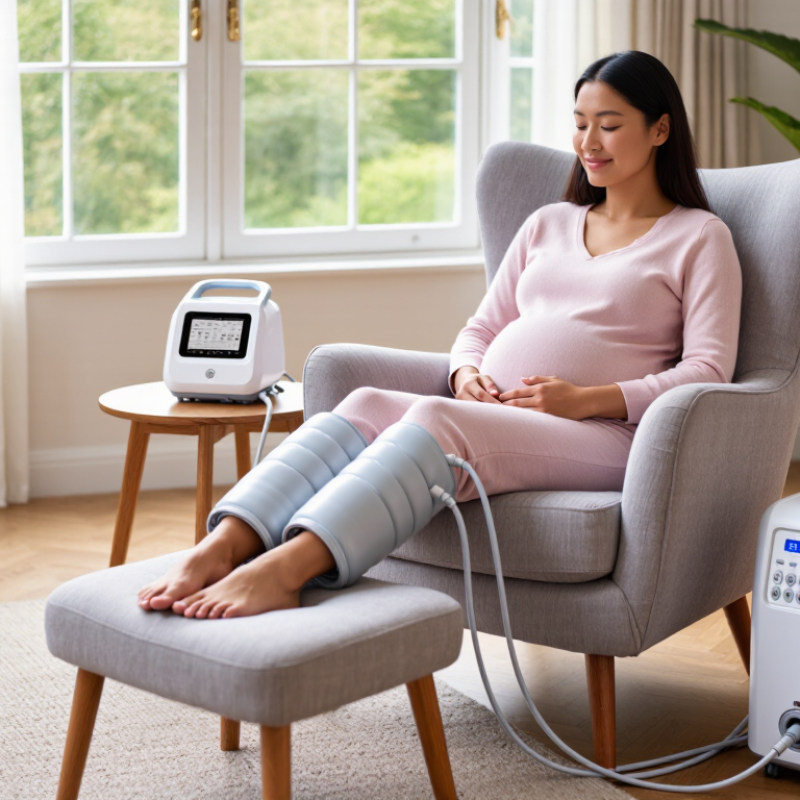
Pressotherapy uses inflatable cuffs that apply timed pressure to the limbs. The gentle sequence may encourage fluid movement and temporarily ease a heavy, puffy feeling. It does not remove the underlying cause of swelling, and evidence specific to postpartum recovery remains limited. Results can vary. It is not a substitute for medical assessment, especially after a recent birth, surgery, or a pregnancy-related complication. Ask your clinician whether treatment is suitable, and stop if it causes pain, numbness, or worsening symptoms.

For a trustworthy expert quotation, the source matters. Dr. Alison Stuebe is an obstetrician and maternal-health researcher, but no verified statement from her about pressotherapy was provided. I won’t invent a quotation or imply she endorses this treatment. A careful takeaway is simple: comfort matters, but safety comes first. Seek prompt care for one-sided leg swelling, chest pain, shortness of breath, or a severe headache. Some details deserve a second look. Postpartum bodies recover on different timelines, and a pressure treatment should be considered only with individualized guidance.
How Does Pressotherapy Help With Postpartum Water Retention?

Explain Postpartum Fluid Shifts: Pregnancy Blood Volume Rises 40–50% (Merck)

During pregnancy, blood volume rises by about 40–50%, according to Merck Manual guidance. After birth, the body must adjust to this expanded circulation. Some extra fluid leaves through increased urination and sweating, while gravity can keep fluid pooled around the ankles and feet. Socks may leave deep marks. Rings can feel tight. These changes often ease gradually, but timing varies.

Pressotherapy uses inflatable garments to apply rhythmic pressure to the limbs. The gentle squeeze may help move fluid through tissues and support venous and lymphatic return. It does not remove fluid from the body or explain why swelling is present. Evidence for routine postpartum use is limited, so it should not replace medical assessment or basic recovery care.

Timing matters. New or worsening swelling, especially with one-sided leg pain, chest pain, shortness of breath, severe headache, or vision changes, needs prompt medical attention. Even without those signs, ask a clinician before using compression after childbirth, particularly after a cesarean birth or if blood clots are a concern. Pressure should feel comfortable, not painful or numb. I would avoid treating all postpartum puffiness as harmless; some swelling is expected, but that assumption can be wrong.

Distinguish Swelling From Warning Signs: CDC Flags Risks Through 1 Year

After birth, fluid shifts can leave ankles, feet, or hands puffy, especially after long periods of sitting. Mild swelling often improves gradually, but postpartum symptoms deserve attention rather than guesswork. Pressotherapy uses inflatable cuffs to apply rhythmic pressure. It may feel soothing, yet evidence for treating postpartum water retention is limited. Ask your maternity-care clinician before using it, particularly after a cesarean birth or if you have high blood pressure, a clotting history, or unexplained pain. Compression is not a substitute for checking the cause of swelling.

Know the warning signs. The CDC notes that serious pregnancy-related complications can occur during pregnancy and up to one year after birth. Seek urgent medical care for trouble breathing, chest pain, fainting, a severe or worsening headache, vision changes, or a fast-beating heart. Sudden swelling, redness, warmth, or pain in one leg may signal a blood clot. Heavy bleeding, fever, or severe belly pain also needs prompt attention. Don’t wait it out. If something feels suddenly wrong, contact a clinician or emergency service and clearly say you recently gave birth. Even a swollen sock mark can seem harmless; symptoms and timing matter more than appearance alone.

Describe Pressotherapy: How Intermittent Pneumatic Compression Works

Pressotherapy uses intermittent pneumatic compression: inflatable chambers wrap around the legs or abdomen and fill in sequence. The squeeze moves from one section to the next, then releases. This changing pressure may assist venous blood and lymph fluid moving back toward the torso; it does not “melt” fluid or guarantee lasting weight loss. You may feel firm, rhythmic pressure, like a sleeve gently tightening around your calf. It should not hurt.

For postpartum swelling, the distinction matters. Some fluid shifts are part of recovery, but pressotherapy is not a substitute for assessment or proven treatment of every cause. The World Health Organization defines the postnatal period as the first six weeks after birth, when maternal health still needs close attention. A clinician can check whether compression is appropriate, especially after a caesarean birth or with a history of clots, heart, or circulation problems. Stop if you feel pain, numbness, dizziness, or unusual shortness of breath. One-sided leg swelling, warmth, or tenderness needs prompt medical advice. Evidence for pressotherapy specifically treating routine postpartum water retention remains limited; that uncertainty deserves a clear mention, not a promise of results.

Review the Evidence: What Clinical Trials Say About Postpartum Pressotherapy

How Does Pressotherapy Help With Postpartum Water Retention?
Review the Evidence: What Clinical Trials Say About Postpartum Pressotherapy

Pressotherapy uses inflatable cuffs to apply gentle, repeated pressure to the limbs. This may encourage fluid movement and ease temporary swelling. However, clinical trials specifically testing pressotherapy for postpartum water retention are scarce. Evidence from other conditions, such as chronic leg swelling, cannot establish that it works after childbirth. That distinction matters. Postpartum swelling often improves naturally as the body sheds extra fluid, so improvement after treatment does not prove the treatment caused it. Available research does not yet show how much pressotherapy helps, how long benefits last, or which postpartum patients might benefit most.

Tips: Ask your obstetric clinician before booking a session, especially during the first weeks after delivery. Mention a history of blood clots, high blood pressure, or a complicated birth. Seek urgent medical advice for sudden one-sided leg swelling, pain, redness, chest pain, or breathlessness. These symptoms need assessment, not compression. For mild, even swelling, gentle walking and resting with your legs raised may be reasonable if your care team agrees. Small steps help. Keep track of when swelling appears and whether it changes; that detail can help guide a safer decision. Pressotherapy should not replace evaluation when swelling is severe, persistent, or worsening.

Plan Safe Follow-Up: ACOG Recommends Postpartum Care by 12 Weeks

Postpartum swelling can make shoes feel tight and leave sock marks around the ankles. Pressotherapy uses inflatable sleeves to apply rhythmic pressure, but evidence for postpartum water retention remains limited. It should not replace medical assessment or routine postpartum care.

ACOG recommends an ongoing care process, with contact in the first three weeks and a comprehensive visit no later than 12 weeks after birth. That visit is a useful point to discuss swelling, blood pressure, recovery, and whether compression is appropriate.

Bring specific observations to the appointment: when swelling began, whether it affects both legs, and whether it changes overnight. A clinician can check for causes that need treatment before suggesting a compression device.

Get urgent medical help for sudden shortness of breath, chest pain, or one-sided leg swelling with pain or warmth. Don’t wait for the 12-week visit if these symptoms appear.

Even gentle pressure may not be suitable for everyone, especially when circulation or blood clots are a concern. I would not assume that feeling lighter means the underlying problem is solved. That distinction matters.

Ask your care team about timing, pressure, and how to monitor your response.

FAQS

Why does swelling happen after childbirth?

Pregnancy increases blood volume by about 40–50%. After delivery, the body gradually removes this extra fluid. Gravity may leave fluid around the ankles and feet. Socks can leave deep marks.

What is pressotherapy?

Pressotherapy uses inflatable garments around the limbs. They apply gentle, repeated pressure. This may support fluid movement and venous or lymphatic return. It does not remove fluid from the body.

Can pressotherapy reduce postpartum water retention?

Possibly, but strong evidence is missing. Specific clinical trials after childbirth remain scarce. Natural recovery may explain improvement after a session. The evidence is thin.

How long does postpartum swelling usually last?

Timing varies between individuals. Swelling often eases as urination and sweating increase. Rings may loosen, and ankle marks may fade gradually. Persistent or worsening swelling deserves medical advice.

Is pressotherapy safe after childbirth?

Ask a clinician before using compression after delivery. This matters especially after a cesarean birth or when clot risk exists. Pressure should feel comfortable. Pain, numbness, or tingling is not acceptable.

Which swelling symptoms need urgent medical attention?

Seek prompt care for sudden one-sided leg swelling, pain, redness, or warmth. Chest pain and breathlessness are urgent warning signs. Severe headache or vision changes also need assessment. Do not use compression to delay care.

What should someone mention before booking a session?

Mention previous blood clots, high blood pressure, or a complicated birth. Explain when the swelling started. Note whether it affects one leg or both. Small details can change the safest choice.

What gentle measures may help mild swelling?

If your care team agrees, try gentle walking and resting with your legs raised. Track when swelling appears and changes. These simple steps may help. Still, I would not assume every puffiness is harmless.

Conclusion

During pregnancy, blood volume rises by roughly 40–50%, and the body may retain extra fluid. After birth, these fluids shift and gradually leave the body, so swelling in the legs, feet, or hands can persist for a time. This summary explains how does pressotherapy help with postpartum water retention: the treatment uses inflatable cuffs that apply and release gentle, rhythmic pressure, which may support fluid movement in the limbs. However, evidence from clinical trials is limited, and pressotherapy should not be presented as a proven cure or a substitute for medical assessment.

Some postpartum swelling can be expected, but sudden or severe swelling—especially with headache, vision changes, chest pain, or trouble breathing—may signal a serious condition. Seek prompt medical advice for warning signs rather than trying compression treatment first. Discuss pressotherapy with a healthcare professional, particularly after a complicated birth or if you have other health concerns. Postpartum care is an ongoing process, and follow-up by 12 weeks can help address recovery, symptoms, and appropriate treatment options.

Sophia

Sophia

Sophia is a dedicated marketing professional with an exceptional depth of knowledge about her company's products and services. With a keen understanding of market trends and customer needs, she crafts insightful blog posts that not only inform but also engage readers, enriching the company’s online......