When it comes to effective fat reduction, many people find themselves weighing their options. HIFU, or High-Intensity Focused Ultrasound, and Cryolipolysis are two popular choices. Each method boasts unique benefits and specific mechanisms of action. Understanding how to choose between HIFU and Cryolipolysis for fat reduction is crucial.
Both techniques aim for visible results, but they approach the challenge differently. HIFU targets deeper layers of the skin, promoting collagen production. Cryolipolysis, on the other hand, freezes fat cells, leading to a gradual reduction. Users often report varying experiences, making it essential to delve deeper into personal goals and body requirements.
Deciding can be daunting. Factors like body type, desired results, and recovery time must be considered. While HIFU may offer quick results, Cryolipolysis can provide a more subtle change over time. Understanding these differences allows individuals to make an informed decision that aligns with their body goals, ensuring a satisfactory experience in their fat reduction journey.
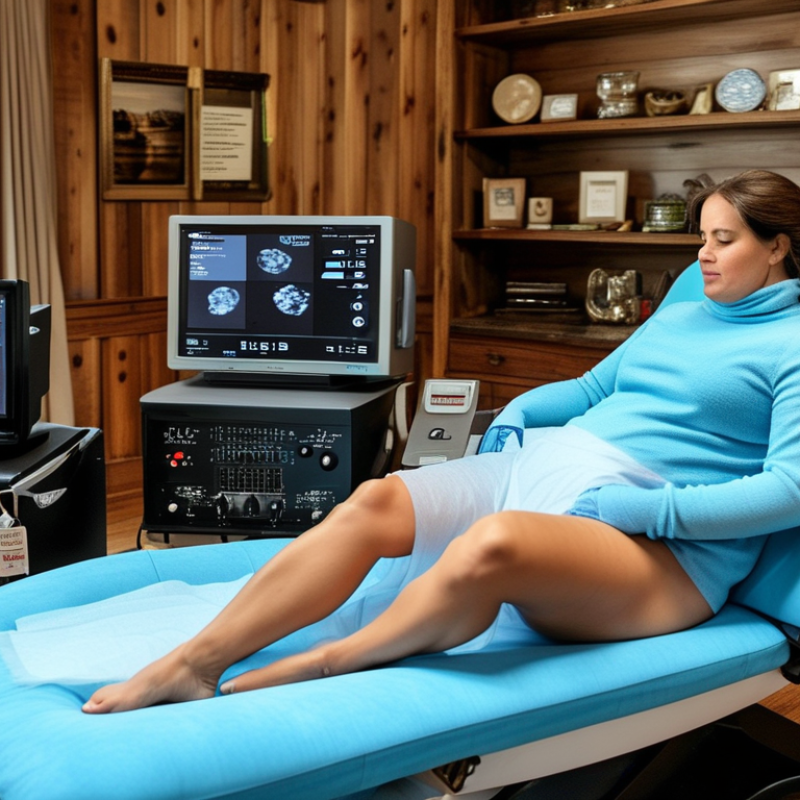
HIFU: An Overview of High-Intensity Focused Ultrasound Technology
High-Intensity Focused Ultrasound (HIFU) is a cutting-edge technology in fat reduction. It utilizes focused ultrasound waves to target fat cells beneath the skin without harming surrounding tissue. This non-invasive procedure allows for precise treatment of areas like the abdomen, thighs, and arms. Patients often report minimal discomfort and quick recovery times.
The effectiveness of HIFU lies in its ability to heat and destroy fat cells. This process encourages the body to eliminate these cells naturally over time. Unlike traditional methods, HIFU does not require downtime. Some individuals may experience minor side effects such as redness or swelling. These symptoms usually subside quickly.
While HIFU offers impressive results, it's important to set realistic expectations. Results vary among individuals. A healthy diet and regular exercise are essential for maintaining outcomes after treatment. Consulting with a qualified professional can help assess if HIFU aligns with personal goals. Every treatment comes with potential risks and benefits, so informed decisions are vital.
Cryolipolysis: Understanding the Science Behind Fat Freezing
Cryolipolysis, often referred to as fat freezing, is a non-invasive fat reduction technique. It is rooted in the principle that fat cells are sensitive to cold. When exposed to low temperatures, they undergo a process called apoptosis, leading to their natural elimination from the body. According to a report by the American Society for Aesthetic Plastic Surgery, cryolipolysis can reduce fat in targeted areas by up to 25% after one session. This statistic underscores its potential as a preferred choice for individuals seeking subtle yet effective results.
The procedure works well on various body parts, including the abdomen, thighs, and arms. Patients typically experience a cooling sensation, but it is rarely painful. Some report feelings of tingling or pulling, which fade within minutes. However, not everyone achieves the desired fat reduction. Variation in results may depend on factors such as individual body composition and the treatment area. According to a study published in the Journal of Dermatological Treatment, about 10-20% of patients may need multiple sessions for satisfactory outcomes. Monitoring client experiences highlights the importance of managing expectations and addressing any concerns about the effectiveness of cryolipolysis.
Comparative Effectiveness of HIFU vs. Cryolipolysis for Fat Reduction
When considering fat reduction, two popular non-invasive methods are HIFU (High-Intensity Focused Ultrasound) and Cryolipolysis. Both methods have unique mechanisms. HIFU targets fat cells using ultrasound energy, creating heat that disrupts the fat cell membrane. This technique promotes skin tightening as well. In contrast, Cryolipolysis uses cold temperatures to freeze and eliminate fat cells. Each method can be effective, but they serve different needs.
The effectiveness of HIFU may vary based on skin type and fat distribution. Some users love the skin-tightening effect, but others may not see immediate results. Cryolipolysis, on the other hand, often offers visible changes after a few weeks. However, it may not be suitable for everyone, as results depend on individual body composition. People with certain conditions should consider consulting a professional before choosing either option.
Patient experiences often highlight personal preferences. Many appreciate HIFU for its quick sessions, while others prefer the gradual results from Cryolipolysis. Both methods require multiple treatments for optimal results. Understanding your body and goals can help you choose the right procedure. Ultimately, it's essential to weigh the pros and cons of each treatment to find what works for you.
Safety and Side Effects of HIFU and Cryolipolysis Treatments
When considering fat reduction, safety is paramount. Both HIFU and cryolipolysis offer non-invasive options. Yet, some side effects may arise. HIFU, which uses ultrasound waves, can lead to temporary redness or swelling. Most side effects are mild and resolve quickly. However, occasional bruising or discomfort can occur. Understanding these risks is crucial for patients.
Cryolipolysis works by freezing fat cells. It's generally safe, but some may experience numbness or tingling in the treated area. In rare cases, there may be uneven results. Patients need to stay informed and weigh the pros and cons. Consulting a qualified practitioner ensures personalized advice.
It's essential to approach these treatments with realistic expectations. Each individual reacts differently. While many people achieve satisfactory results, some may need multiple sessions. Ultimately, an informed decision is key to achieving desired outcomes safely.
Choosing the Right Treatment: Factors to Consider for Individual Needs
When considering effective fat reduction, two popular methods stand out: HIFU and cryolipolysis. Your choice should align with personal goals and body types. HIFU targets deeper layers of skin and adipose tissue using focused ultrasound. It promotes collagen production and offers skin tightening benefits. Cryolipolysis, on the other hand, freezes fat cells, which gradually die off without harming surrounding tissues. This method is non-invasive and targets stubborn fat areas.
Here are some tips to guide your decision: First, assess your desired results. HIFU might be better for skin elasticity. Cryolipolysis is ideal for stubborn fat. Second, consider recovery time. HIFU may involve mild discomfort, while cryolipolysis typically allows immediate return to daily activities. Finally, consult a qualified professional who can evaluate your body type and medical history. They can provide personalized insights.
Both methods have their merits and limitations. Individual responses may vary. What works for one person might not yield the same effect for another. Understanding your body’s needs is vital before committing to a procedure. Prioritize a treatment that resonates with your lifestyle and comfort level.
FAQS
: HIFU stands for High-Intensity Focused Ultrasound. It targets fat cells beneath the skin.
Patients report minimal discomfort during HIFU. Most experience quick recovery afterward.
Cryolipolysis can reduce fat by up to 25%. Results may vary among individuals, so expectations should be managed.
It freezes fat cells, triggering a natural elimination process in the body. The cooling sensation is usually mild.
No, results take time as the body eliminates destroyed fat cells naturally. Patience is key in seeing effects.
Consider your goals and body type. HIFU helps with skin elasticity, while cryolipolysis targets stubborn fat.
Conclusion
The article "Why Choose HIFU or Cryolipolysis for Effective Fat Reduction?" provides a comprehensive overview of two popular non-invasive fat reduction technologies: High-Intensity Focused Ultrasound (HIFU) and Cryolipolysis. It explains the underlying mechanisms of each treatment, with HIFU utilizing ultrasound energy to target and destroy fat cells, while Cryolipolysis freezes fat cells to induce their natural elimination. The comparative effectiveness section evaluates how these methods stack up against each other, taking into consideration individual goals and body types.
When considering how to choose between HIFU and Cryolipolysis for fat reduction, it is essential to weigh factors such as treatment goals, the areas being targeted, safety profiles, and potential side effects. Both modalities offer unique benefits; therefore, understanding personal needs and consulting with a qualified professional will help in making an informed decision on the most suitable approach.

 Yiki Beauty