2026 Best Radio Frequency for Tightening Stomach Skin

Time:2026-10-14 Author:Amelia
0%

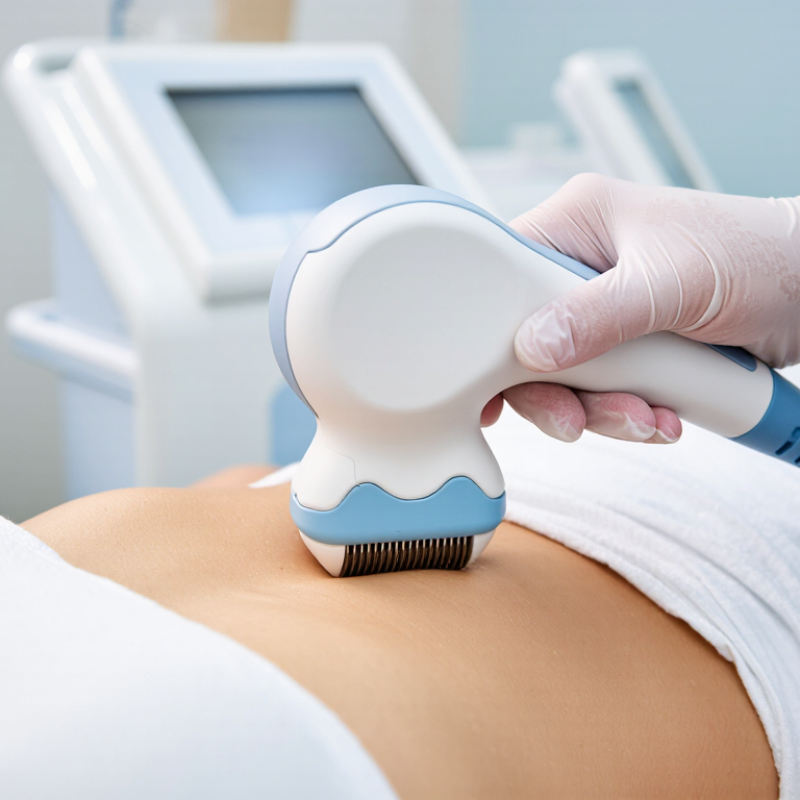
Choosing the 2026 best radio frequency for tightening stomach skin requires more than naming one impressive number. Radio frequency treatments heat the deeper dermal layers, encouraging collagen remodeling and gradual skin contraction. Most aesthetic systems operate within a controlled range, often using monopolar, bipolar, or multipolar delivery. The ideal frequency depends on the device, energy level, treatment depth, skin thickness, and professional technique. There is no universal “best” setting for every abdomen.

So, how does radio frequency tighten skin on the stomach? Carefully delivered energy warms underlying tissue while surface cooling or temperature monitoring helps protect the skin. Patients may feel steady warmth, similar to a hot stone resting briefly on the abdomen. Over several weeks, new collagen can improve firmness and texture. Results are usually subtle, not surgical. Loose skin, stretch marks, body weight, age, and previous pregnancy can influence the outcome.

Evidence is promising, but not perfect. Some studies report improved laxity after multiple sessions, while results vary between technologies and patients. That matters. A qualified medical or aesthetic professional should assess skin quality, medical history, implanted devices, pregnancy status, and sensitivity before treatment. Home devices may use lower energy and require realistic expectations. They cannot reliably reproduce clinical equipment or professional monitoring. Temporary redness, swelling, tenderness, or heat discomfort may occur. Burns are uncommon when trained providers follow safety protocols, but they remain possible. This guide compares radio frequency types, practical treatment considerations, expected timelines, and questions worth asking before choosing an abdomen-tightening procedure.
2026 Best Radio Frequency for Tightening Stomach Skin

How RF Tightens Abdominal Skin: 40–45°C Heating and Collagen Remodeling

2026 Best Radio Frequency for Tightening Stomach Skin

Radio frequency tightening works by delivering controlled energy into the skin’s deeper layers. The “best” frequency is not a universal number. Different frequencies reach different tissue depths, and device design matters greatly. A qualified practitioner should select settings according to skin thickness, laxity, comfort, and treatment area.

During treatment, the abdomen may feel like steady warmth rather than a sharp sting. Many protocols aim to maintain skin temperatures around 40–45°C, using continuous monitoring to reduce overheating risks. This heat can temporarily contract existing collagen fibers. It may also stimulate fibroblasts, which gradually produce new collagen and elastin. The remodeling process usually develops over several weeks, not overnight.

A warm treatment room helps.

Mild redness can appear afterward. It often fades within hours, although individual responses vary. Loose skin caused by major weight loss may require more than RF alone. RF does not remove abdominal fat or replace medical care. I would not promise identical results for every body; that would be unrealistic. Treatment quality, energy control, hydration, age, and connective tissue condition all influence outcomes. People with implanted electronic devices, active skin problems, or certain medical conditions should seek professional clearance before treatment. Photographs under the same lighting can help track subtle changes, since memory is a poor measuring tool.

RF Frequency Choices: Monopolar 0.5–1 MHz Versus Bipolar 1–2 MHz

2026 Best Radio Frequency for Tightening Stomach Skin

For abdominal skin tightening, frequency matters, but it does not work alone. Monopolar RF at 0.5–1 MHz sends energy from one active electrode toward a return pad. This wider path can reach deeper tissue. Bipolar RF at 1–2 MHz travels between two nearby electrodes, creating more controlled, usually shallower heating.

A 2023 review in Aesthetic Surgery Journal examined 15 clinical RF studies. Most reported modest improvements in laxity, with follow-up commonly lasting one to six months. However, treatment settings varied widely. That weakens direct comparisons between 0.5 MHz and 2 MHz. In practice, electrode spacing, power, skin thickness, cooling, and impedance can matter more than frequency. I would not choose a device from MHz alone. That sounds simple, but the body is not.

Tips: Ask how the provider measures skin temperature and controls surface heat. The U.S. FDA warns that RF devices may cause burns, pain, swelling, or unwanted fat changes when misused. A qualified clinician should review pregnancy status, implanted electronic devices, reduced sensation, and abdominal scars before treatment. Take standardized photos. Early swelling can look like tightening, and results may fade. One careful assessment is better than an aggressive setting.

Professional Safety Targets: 40–43°C Skin Temperature and Thermal Monitoring

2026 Best Radio Frequency for Tightening Stomach Skin

Professional RF treatments should prioritize controlled heat, not maximum power. A practical safety target is 40–43°C at the skin surface, measured continuously during treatment. This range supports gradual collagen stimulation while reducing avoidable overheating. Temperature alone is not enough. Treatment time, electrode contact, tissue thickness, and individual sensitivity also influence risk.

Clinical reviews in Dermatologic Surgery and the Journal of Cosmetic Dermatology report modest skin-tightening improvements after repeated radio frequency sessions. Results vary widely, and study protocols are not standardized. Some trials use surface temperatures near 40–42°C, while others report internal tissue temperatures separately. That difference matters. A handheld thermometer may miss a hot spot beneath the applicator.

Professional thermal monitoring should display real-time readings and include automatic energy reduction. Skin should feel intensely warm, never sharply painful. Persistent redness, blistering, or tenderness requires prompt clinical assessment. A 2023 review of non-invasive body-contouring studies also noted inconsistent measurement methods, making direct comparisons difficult. The evidence is useful, but imperfect.

In practice, trained providers should begin conservatively and reassess the skin repeatedly. The abdomen is not uniform; scars, folds, and thinner areas heat differently. I would question any protocol promising dramatic tightening from one session. Better documentation is still needed, especially for long-term outcomes and darker skin types. Temperature control is not a marketing detail. It is the treatment’s central safety measure.

Clinical Assessment: Track Abdominal Laxity Changes Over 3–6 Months

Choosing the best radio frequency for abdominal tightening starts with clinical context, not a single number. Energy level, electrode design, skin thickness, and treatment temperature all affect safety and response. Qualified providers should explain these variables before treatment. RF changes are gradual.

At baseline, record standardized photographs, waist measurements, skinfold thickness, and a validated laxity score. Use the same lighting, posture, camera distance, and abdominal tension at every visit. Repeat checks around four, eight, twelve, and twenty-four weeks. Patient notes also matter, especially when clothing fit or movement improves before photographs change.

Weight fluctuation, hydration, sun exposure, and recent pregnancy can distort comparisons. These details belong in the clinical record. Some improvement may appear by three months, while collagen remodeling can continue toward six months. However, results vary, and tightening may remain modest when excess skin is substantial. Temporary redness, tenderness, swelling, or uneven texture should be documented rather than dismissed. A clinician should reassess settings when discomfort persists or skin response looks unusual. One weakness deserves attention: laxity scoring can feel subjective. Two observers may rate the same abdomen differently. Using photographs, measurements, and patient-reported comfort together creates a more dependable assessment.

Treatment Planning: Match RF Energy, Sessions, and Skin Type to Patient Goals

2026 Best Radio Frequency for Tightening Stomach Skin

There is no universal best RF frequency for abdominal tightening. Common systems operate between 0.5 and 2.4 MHz. Lower frequencies may reach deeper tissue, while higher frequencies often concentrate energy more superficially. Electrode design, contact pressure, and tissue impedance matter just as much. The 2024 Journal of Cosmetic Dermatology systematic review found visible improvement across RF studies, but treatment settings varied widely.

Treatment planning should begin with the patient’s goal. Mild laxity may respond to three to six sessions, spaced several weeks apart. Significant excess skin may require surgical evaluation instead. Patients with thinner skin often need conservative energy and careful temperature monitoring. Thicker tissue may tolerate deeper heating, but it can also absorb energy unevenly. That difference matters.

Skin type alone is not enough. Assess laxity, fat distribution, scars, sensitivity, and previous procedures. RF is not light-based, so pigment changes may be less common than with some laser treatments. Burns remain possible. The 2023 American Society for Dermatologic Surgery consumer survey identified skin laxity as a frequent aesthetic concern, supporting demand for non-surgical options. Still, the evidence is imperfect. Many studies use small samples and short follow-up periods. A thoughtful provider should document baseline photographs, explain uncertain outcomes, and adjust the plan after each session. Expect gradual change, not a sudden transformation.

FAQS

What skin temperature is commonly targeted during professional RF tightening?

A practical surface target is 40–43°C during treatment. The skin should feel intensely warm, never sharply painful. Results take time. Maximum power is not the goal.

Why is continuous temperature monitoring important?

Temperature can change quickly under an applicator. Real-time monitoring helps providers reduce energy before overheating occurs. A handheld thermometer may miss a deeper hot spot. This method is safer, but not perfect.

Does temperature alone determine RF treatment safety?

No. Treatment time, electrode contact, tissue thickness, and skin sensitivity also matter. Scars, folds, and thin abdominal areas may heat differently. Providers should begin conservatively and reassess repeatedly.

What skin reactions should receive prompt clinical attention?

Persistent redness, blistering, or ongoing tenderness needs prompt professional assessment. Mild redness or temporary warmth may occur. Discomfort should not be ignored. Document unusual skin responses carefully.

How should abdominal laxity be measured before treatment?

Providers can record standardized photographs, waist measurements, skinfold thickness, and a laxity score. Use the same lighting, posture, camera distance, and abdominal tension each time. Small details matter.

When should progress be reviewed after abdominal RF treatment?

Reassess around four, eight, twelve, and twenty-four weeks. Some changes may appear near three months. Collagen remodeling can continue toward six months. One session rarely proves the full result.

What factors can make progress comparisons unreliable?

Weight changes, hydration, sun exposure, and recent pregnancy can distort comparisons. Clothing fit and movement may improve before photographs change. Record these details in the clinical notes. The evidence remains uneven.

Can RF produce dramatic tightening when excess abdominal skin is substantial?

Improvement may remain modest when excess skin is substantial. Results vary between individuals and treatment protocols. I would question promises of dramatic tightening from one session. More long-term evidence is still needed.

Conclusion

Radio frequency (RF) skin tightening uses controlled electromagnetic energy to warm the deeper layers of abdominal skin, typically reaching about 40–45°C. This heat stimulates collagen contraction and gradual collagen remodeling, which may improve firmness and reduce the appearance of laxity. When considering how does radio frequency tighten skin on the stomach, the key is the controlled delivery of thermal energy rather than surface heating alone. Monopolar RF, commonly operating around 0.5–1 MHz, can reach deeper tissues, while bipolar RF, often using 1–2 MHz, provides more localized heating between electrodes.

Professional treatments should carefully monitor skin temperature, generally targeting approximately 40–43°C for a balanced combination of effectiveness and comfort. Treatment plans may vary according to skin type, laxity, energy settings, and individual goals. Because collagen remodeling develops gradually, abdominal changes are best assessed over three to six months, with progress evaluated through consistent photographs, measurements, and clinical examination.

Amelia

Amelia

Amelia is a seasoned marketing professional with a wealth of expertise in our company’s core offerings. With an unwavering passion for driving growth and innovation, she plays a pivotal role in shaping our marketing strategies and enhancing brand visibility. A key aspect of her responsibilities......